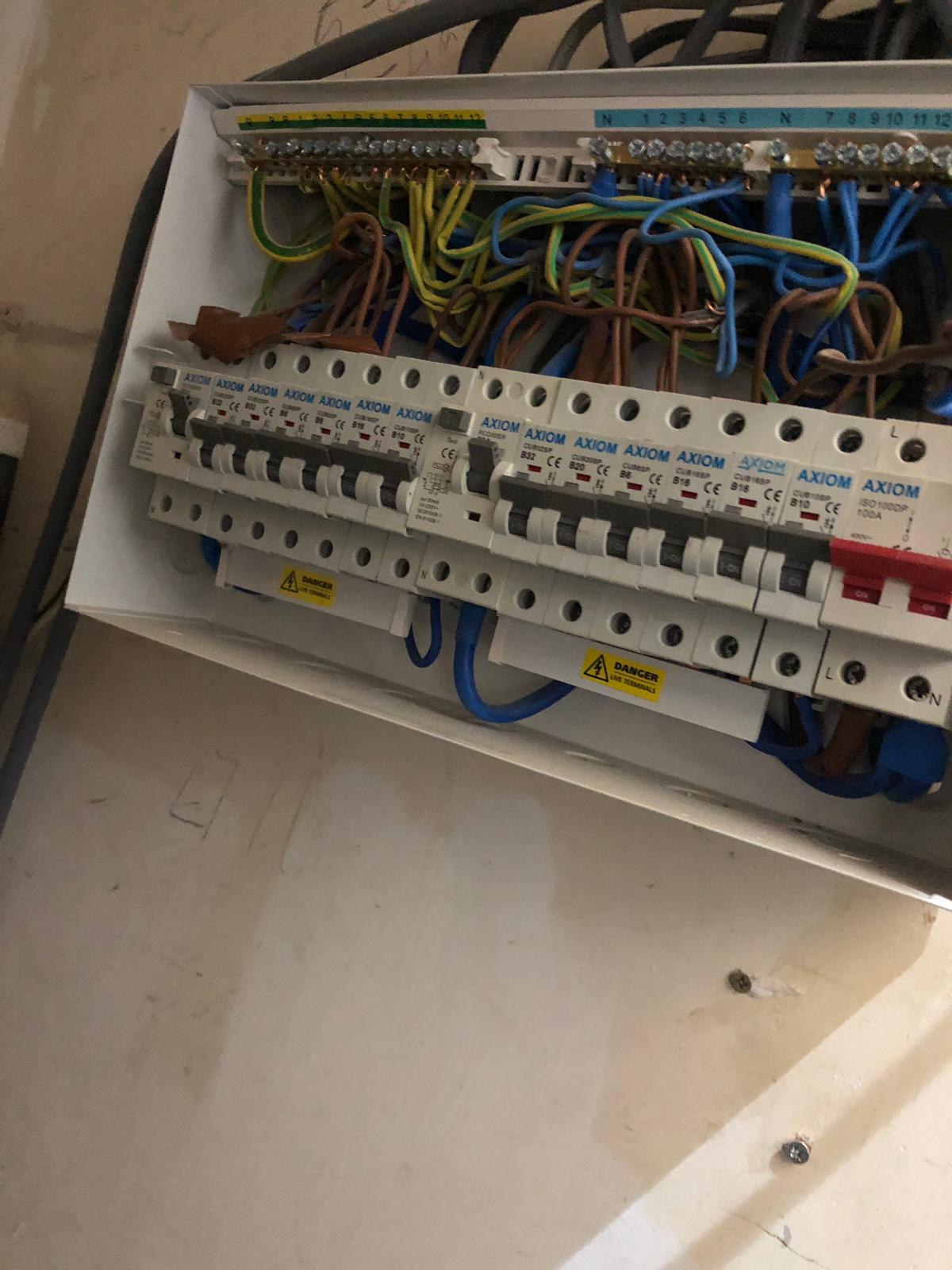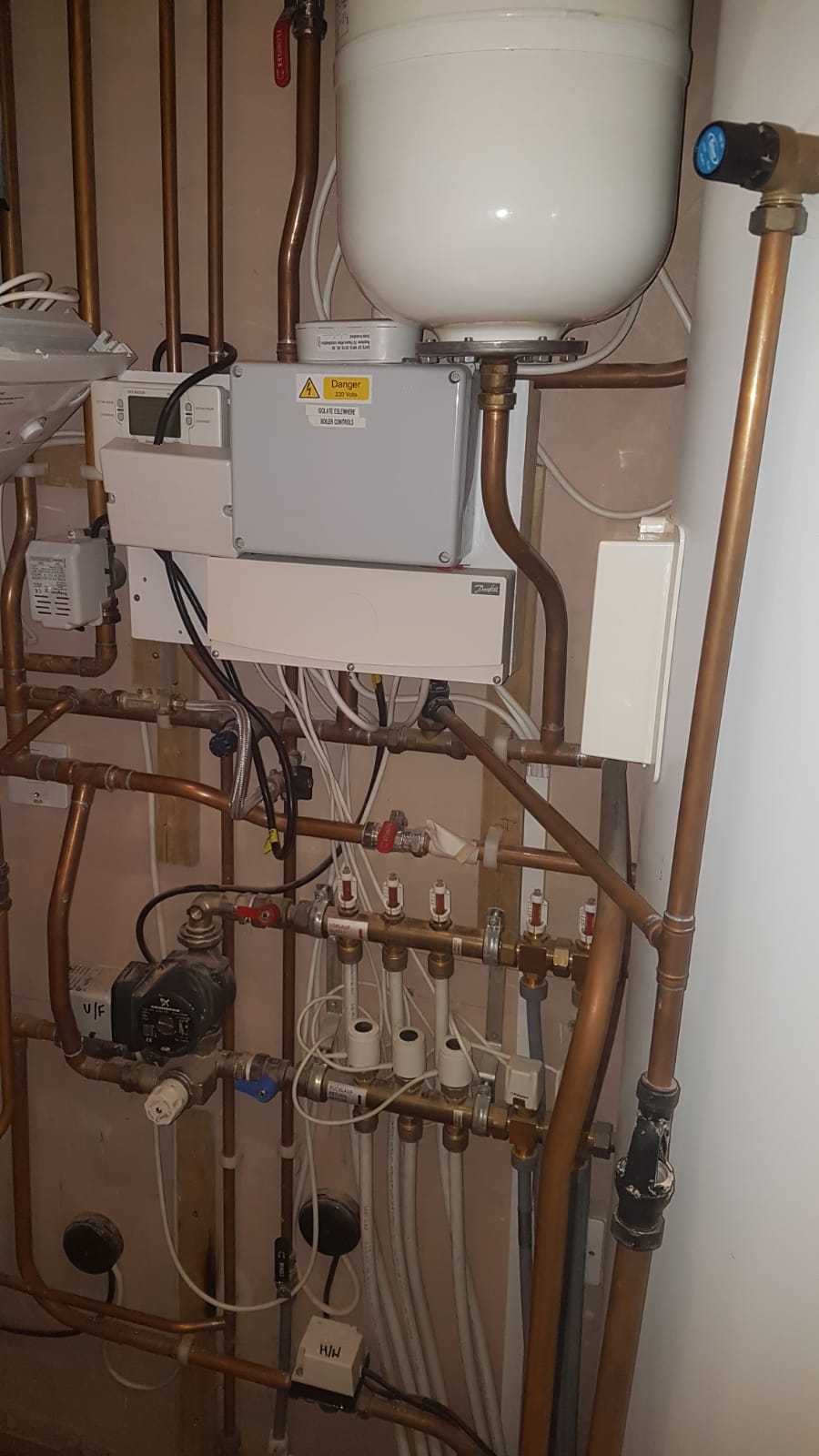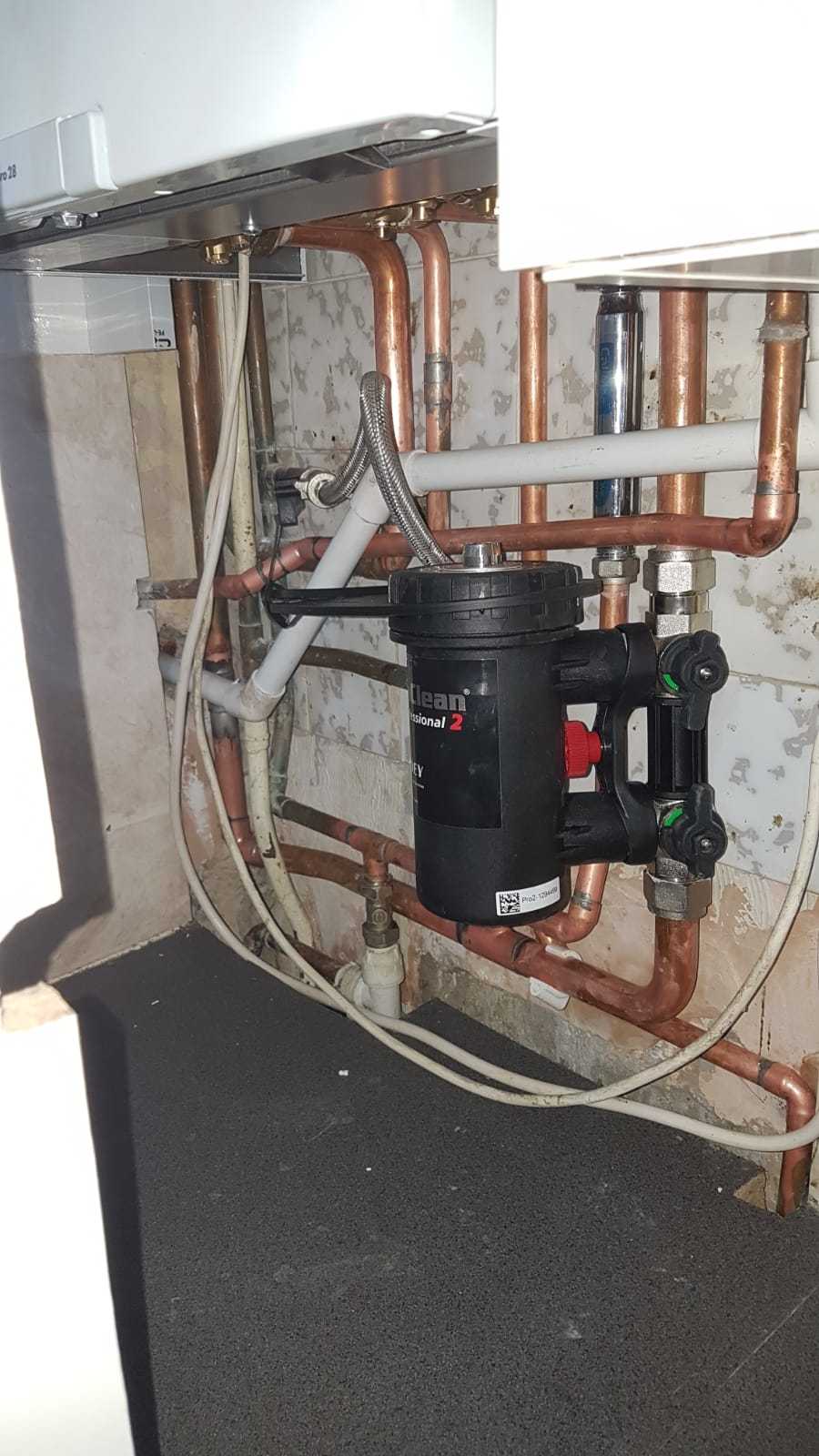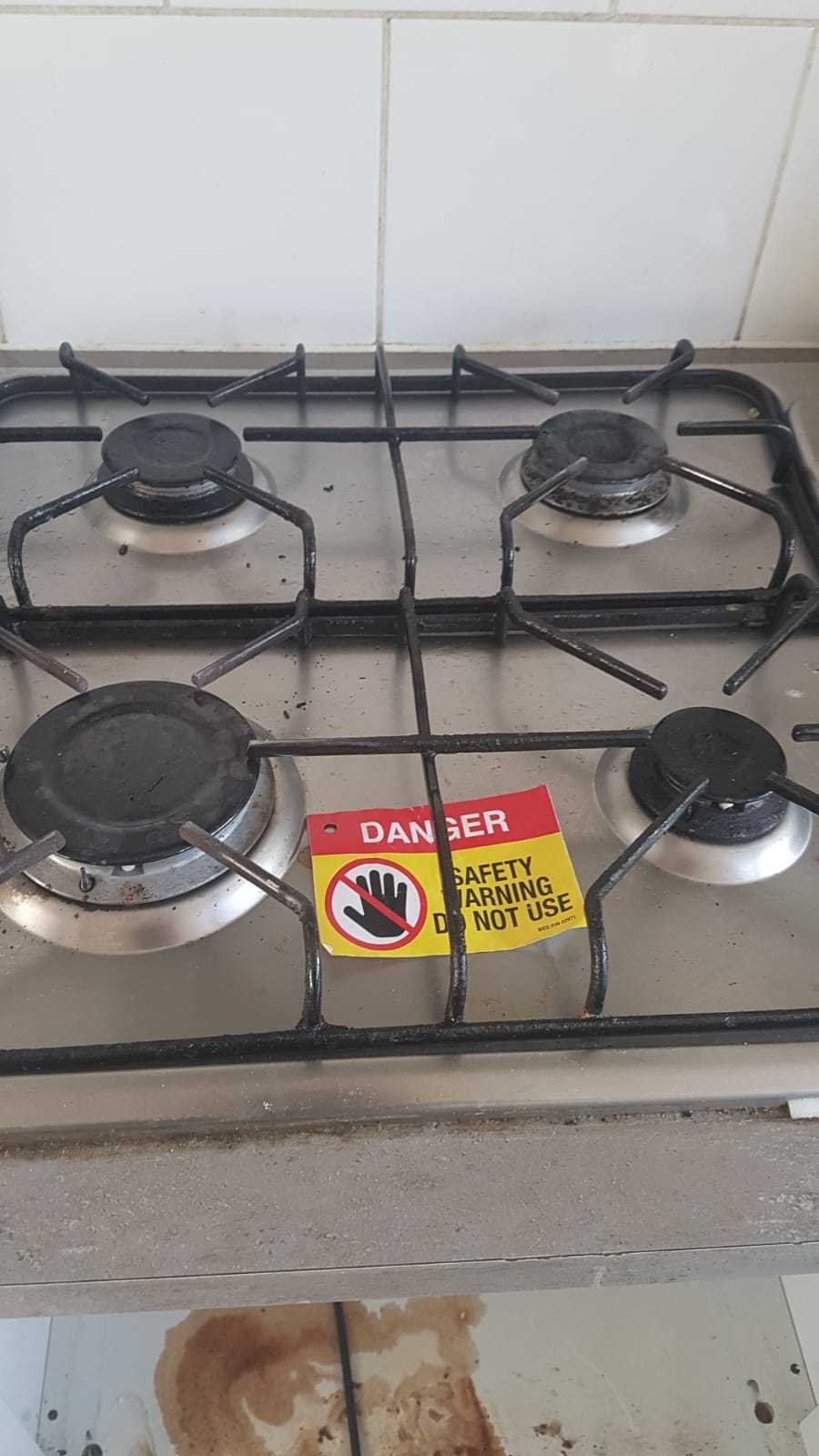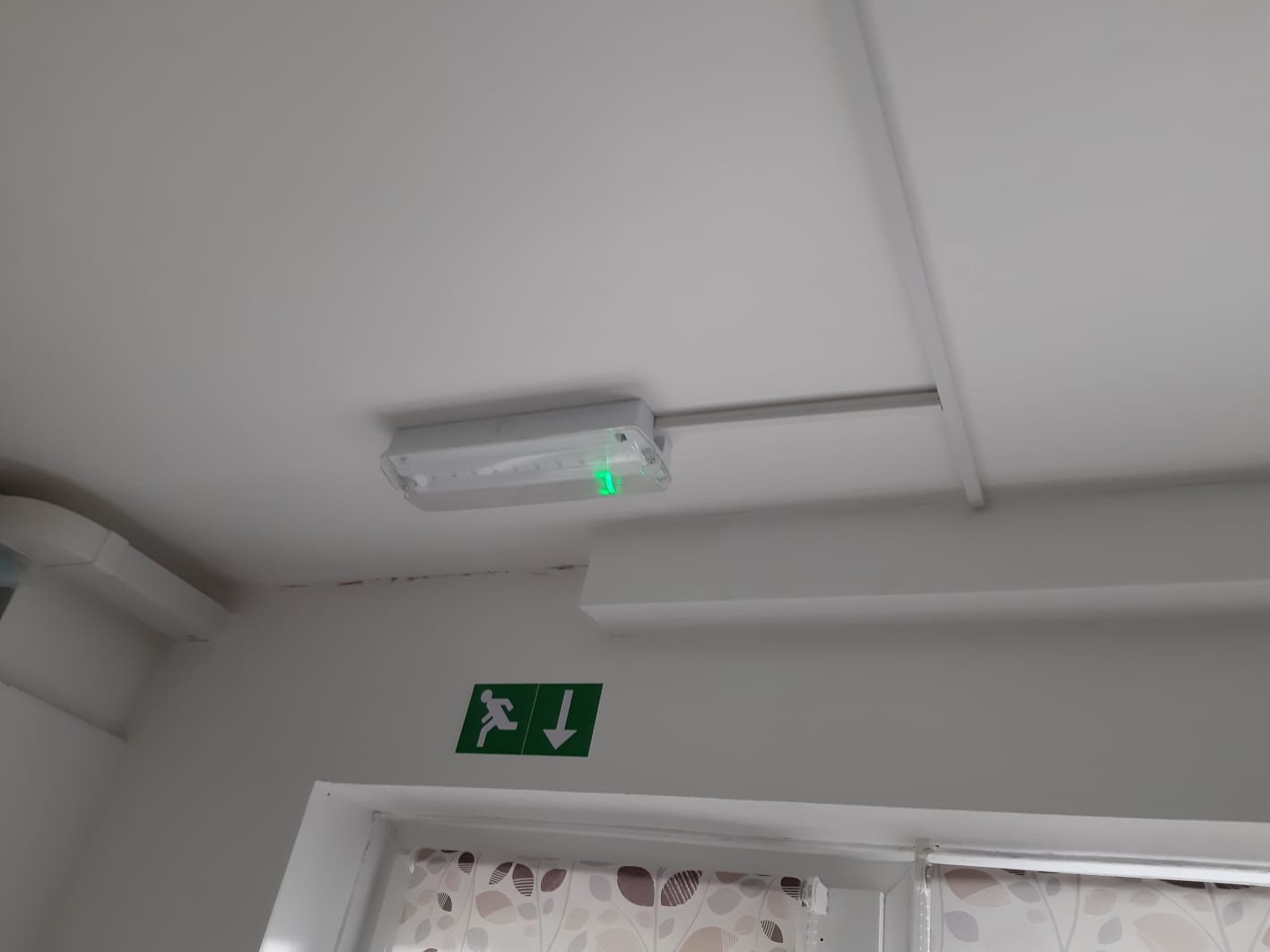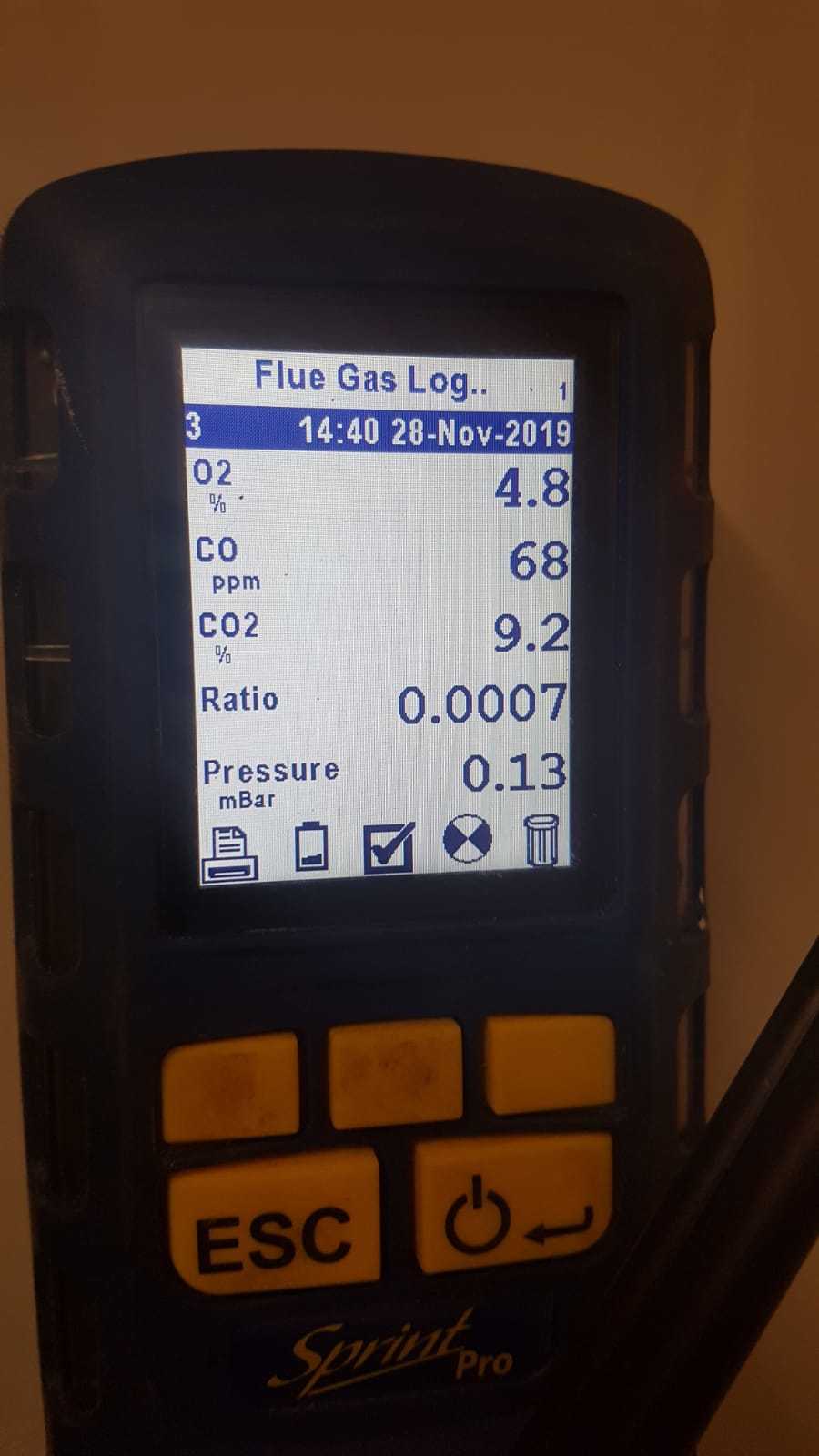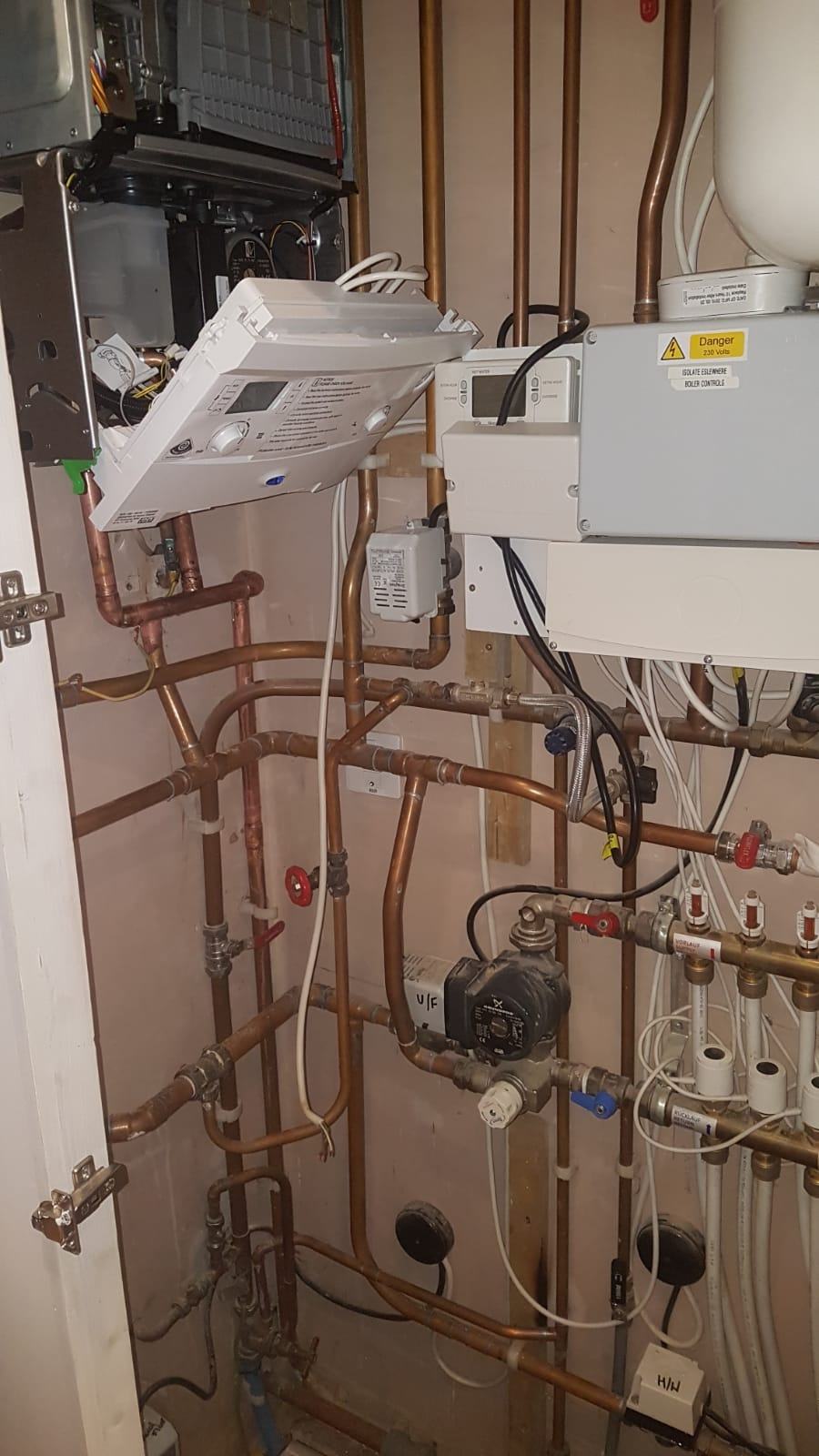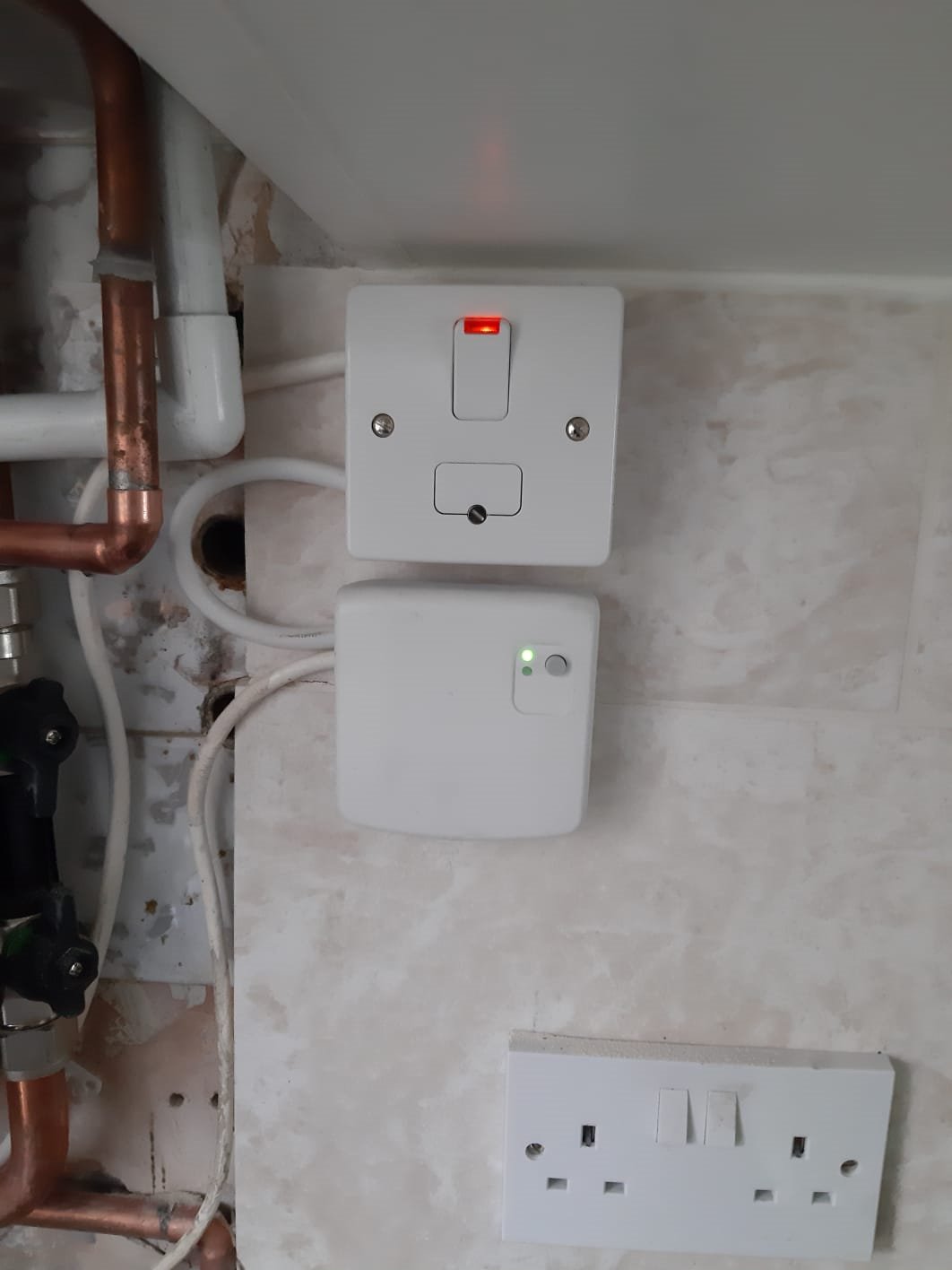
A Gas Safety Certificate (CP12; CORGI Proforma) is a legal document issued by a Gas Safe registered engineer to confirm that all gas appliances and Gas pipework are working properly. A gas safety Certificate is necessary to prevent the dangers of escaping gas (carbon monoxide) and combustion.
The process to get a Gas Safety Certificate start from hiring a Gas Safety engineer qualified at level 3 NVQ (National Vocational Qualification) to assess gas appliances and inspect gas pressure, ventilation, and flue integrity. The Gas Safety engineer provides a list of necessary repairs that must be made before granting the certificate, as identified during the inspection. The Gas Safety Engineer enters the Gas inspection data in the government database and generates a Gas Safety Certificate.
The average cost of a Gas Safety Certificate in the UK ranges from £60 to £180. The cost of a gas safety certificate depends on the type of gas appliances, building size, and the inspection service provided. The landlords should have an annual gas safety check, and have to provide a Gas Safety Certificate to the tenants within 28 days after renting a property, according to the UK Gas Safety (Installation and use) Regulations 1998.
What is A Gas Safety Certificate?
A Gas Safety Certificate (CP12) is a legal document issued by a Gas Safe registered engineer after the inspection of gas appliances, flues, pipe works according to the UK gas safety regulations. The Gas Safety certificate involves an in-depth inspection of all gas appliances, ventilation systems, gas pressure level, and determines any defects, leakages or hazards that need to be repaired or disconnected.
In residential renting properties, a Gas Safety Certificate is mandatory to ensure the safety of tenants by conducting annual gas inspections on boilers, cookers, heaters, and gas fittings. In commercial properties Gas Safety Certificate is necessary to avoid gas leakage, bursting of gas appliances and for the safety of workers. A Gas Safety Certificate is aimed at avoiding gas leaks, explosions, fire, and carbon monoxide poisoning, for the safety of the landlords and business owners.
What are the other names of Gas Safety Certificates?
The other names of Gas safety certificates are listed below.
- Landlord Gas Safety Certificate
- LPG (Liquefied Petroleum Gas) Gas Safety Certificates
- Commercial Gas Certificate
- Commercial Catering Certificate
- Commercial Boiler Service & Repair Certificate
- Mobile Catering Service & Repair Certificate
- Gas safety Certificate for schools
Do homeowners need a gas safety certificate?
No, the homeowners do not need a gas safety certificate on their property because the law (Gas Safety Regulation 1988) only applies to rented properties to fulfil gas safety standards. The landlord has the sole responsibility of employing a Gas Safe registered engineer to conduct the gas inspection, issue the CP12, maintain records and provide a copy of the CP12 to the tenants.
The Gas Safety (Installation and Use) Regulations 1998 state that all rented out houses, flats, holiday lets, and commercial rental properties with gas installations should have a valid Gas Safety Certificate.
Who needs a gas safety certificate?
The landlords, letting agents, business owner and property managers need a gas safety certificate under the landlord certificates requirements because it’s their legal responsibility to ensure the Gas Safety of the relevant property. The landlord is legally responsible to provide gas safety certificate to the tenants for their safety. The gas safety certificate is also the responsibility of letting agents because the landlord assigned gas safety responsibilities to them, and they are in charge of that property and its safety on behalf of the landlord.
An employer and a business owner who owns commercial premises with gas installations should acquire a gas certificate to safeguard the employees and customers. The property managers of residential blocks that have a communal gas system must keep gas safety records to ensure the safety of dwellers who use communal gas systems. The legal requirement of possessing a Gas Safety Certificate is always on the party who has control or management of the gas connection inside the rented or commercial premises.
How to Get a Gas Safety Certificate in the UK?
To get a Gas Safety Certificate in the UK, follow the following steps.
- Hire a Certified Gas Safe Engineer
- Check the Engineer’s Registration and Scope
- Book a Gas Safety Inspection Appointment
- Ensure Access to All Gas Appliances
- Let the Engineer Perform Safety Checks
- Resolve Any Identified Gas Issues
- Obtain the CP12 Gas Safety Certificate
- Provide Certificate to Tenants if Required
- Store the Certificate for Legal Compliance
1. Hire a Certified Gas Safe Engineer
A certified Gas Safety Engineer is legally permitted to perform inspections on gas appliances and make Gas Safety Certificates in the UK. Verify the details of the credentials of the Gas Safety engineers and their area of employment on the official Gas Safe Register. A competent Gas Safety engineer is trained to detect possible gas hazards (Gas leakage, fire).
2. Check the Engineer’s Registration and Scope
A gas safety engineer with registration number is legally allowed to conduct the gas safety inspection of boilers, cookers, heaters or other gas systems. Checking the scope of gas safety engineering guarantees that all of the Gas appliances in your property are under inspection and no aspect of the gas system is beyond the gas safety inspection.
3. Book a Gas Safety Inspection Appointment
Gas Safety Inspection Appointment ensures effective and timely inspection to avoid delays in obtaining the Gas Safety Certificate. The landlord is also supposed to notify the tenants or occupants of the inspection so that the property is at full access.
4. Ensure Access to All Gas Appliances
The property owner ensures access to enclosed appliances, utility rooms, boilers, kitchen units, and any shared gas work among modular houses. The engineer will not be able to conduct a proper inspection without full access to all gass appliance.
5. Let the Engineer Perform Safety Checks
Gas Safety engineer check includes the examination of gas pressure, flues and ventilation to allow safe combustion, safety devices (auto shut-offs), detecting gas leakages, corrosion, or faulty connections. Every appliance is evaluated in a systematic manner to determine that it does not pose any hazard.
6. Resolve Any Identified Gas Issues
Resolve any identified Gas issues (leakage of gassin pipeline and out-of-order appliances) after the gas safety inspection. A gas safety certificate will be issued after the rectification of faults. Unsafe appliances have to be disconnected until repairs are done. The engineer offers advice or recommendations to resolve any faults in gas appliances to ensure a safe check.
7. Obtain the CP12 Gas Safety Certificate
Obtain the CP12 Gas Safety Certificate after the inspection is finished and all the problems are solved according to the UK gas safety law (Installation and Use Regulations 1998). The CP12 certificate can only be issued by a Gas Safe registered engineer, and it is evidence that systems are safe to use. The CP12 certificate shows the date when the inspection took place and the condition of the appliances at that date.
8. Provide Certificate to Tenants if Required
Landlords are obliged to issue a copy of the gas safety certificate to the existing or new tenants within 28 days of inspection. Gas Safety certificate guarantees the safety of tenants and also fulfils the obligarion gas safety law (Installation and Use) Regulations 1998.
9. Store the Certificate for Legal Compliance
The landlords or property managers should keep a copy of the certificate for at least two years. A certificate is proof of a gas safety inspection. The inspections to be done in future can rely on the previous certificates, and the property will be legally accepted in terms of gas safety.
What does a gas safety check involve?
A gas safety check involves a detailed examination of all gas appliances, pipework, flues, safety devices in a building, boilers, heaters, cookers, water heaters, and fireplaces. Flues and chimneys are also examined to make sure the gases are safely expelled, and the ventilation system is also checked, where storage of hazardous fumes is concerned.
The engineer also examines the gas pipework whether it is leaking, corroded, or damaged, and also evaluates all safety devices (thermostats, automatic shut-offs, and pilot lights). The defects, risks and unsafe appliances are reported, and the results of the inspection date of inspection and any necessary remedial work are recorded. This data is summarised in a Gas Safety Certificate (CP12) that officially ensures that the gas installations in the property are safe to be used.
What does a gas safety certificate look like?
A Gas Safety Certificate is an official professional document with an ordered structure. The first section of a gas safety certificate has the property address. The next portion of the gas safety certificate has the information of all inspected gas appliances (the type of appliance, the location and the condition of the appliance), including boilers, heaters, cookers and fireplaces, in the form of columns.
A Gas Safety Certificate has a section of safeguarding examinations, such as flue examination, ventilation investigation, gas pressure evaluation, and checking of safety hardware (thermostats, automatic shut-offs). The remedial section describes any flaws in gas appliances. The certificate also has the name of the Gas Safety engineer, registration number, signature of the engineer and date of inspection.
Can you get a gas safety check online?
No, you can not get a Gas Safety Check online in the UK. The gas safety check is implemented by a Gas Safety engineer, who visits on-site each and every gas appliance, pipework, flue and safety device. You can get a gas safety appointment online with a gas safety engineer. The process of inspection and testing of appliances and issuing the CP12 certificate requires on-site services (checking gas pressure, ventilation, detecting leaks, and ensuring functionality of devices).
What is the cost of getting a gas safety certificate in the UK?
The cost of getting a Gas Safety Certificate in the UK ranges between £60 and £180. A big house with a multi-gas appliance costs £100-£150 for gass safety certificate. A small domestic home with 13 gas appliances costs £30-£60 for gass safety certificate. The cost of a gas safety certificate for large commercial properties is £120-£180, and for small properties costs £60-£100.
In London and the southeast, the gas safety certificate costs £50, and in Leeds or Birmingham costs £80 for small buildings. Inspection of a single boiler, gas meter, gas hobs, fireplaces or ovens costs £10-£50 per appliance. In case the inspection is required urgently or not during working hours, the cost increases (£10) due to the emergency callout charges.
Can I get a Gas Safety Certificate for free?
No, you can not get a Gas Safety Certificate for free. A Gas Safety Certificate is provided by a Gas Safety registered engineer who charge fee for the inspection and certification.
How long does a gas safety certificate last?
A Gas Safety Certificate is valid for 12 months in the UK after the date of issue. After 12 months gas safety certificate has to be renewed. The landlord has the legal responsibility to do a gas safety inspection and get certification under the Gas Safety (Installation and Use) Regulations of 1998.
Gas Safety (Installation and Use) Regulations stipulate that landlords maintain a record of the inspection for not less than two years and make the certificate available to the tenants within 28 days of the check. Only a Gas Safety registered engineer is legally permitted to perform the inspection and issue a valid Gas Safety Certificate, which confirms that all the appliances, pipes, and flues are in proper working condition.
What is the role of “Gas Safety (Installation and Use) Regulations 1998” in gas safety certificate validity?
The Gas Safety (Installation and Use) Regulations 1998 regulate the safe installation, maintenance, and use of gas appliances, pipework and flues in the UK. This law requires all gas appliances and installations in rented premises to be inspected by a Gas Safety registered engineer within 12 months. This law defines the duties of landlords and the qualifications of engineers (level 3 NVQ).
According to the law, a Gas Safety Certificate is valid for 12 months, and then it must be re-inspected and renewed. A certificate dated 1 st February 2026 would be valid until the 31 st January 2027, and then it has to be renewed; otherwise, the landlord faces a legal penalty.
Are gas safety certificates valid forever?
No, Gas safety certificates are not valid forever. Gass Safety certificate has a duration of 12 months from the date of issue, and then the property is supposed to be re-inspected, and a new certificate is issued in accordance with the Gas Safety (Installation and Use) Regulations 1998. A Gas Safety Certificate issued on 20th February 2025 will be valid until 19th February 2026; after that, it has to be renewed.
How can I check if I have a valid Gas Safety Certificate?
You can check if you have a valid gas safety certificate in the UK by ensuring that the certificate is labelled with CP12, issued by a Gas Safe registered engineer, and not older than a year.
What to do if a gas safety certificate expires?
The landlord undertakes a new inspection with a Gas Safe registered engineer if a gas safety certificate expires in the UK. The gas engineer inspects and tests every appliance, flues and ventilation, measures gas pressure, and finds out any leaks, faults or unsafe installations. The defects or any unsafe appliances (leakage in the gas stove) should be repaired, disconnected, or rendered safe.
The engineer issues a new certificate after the inspection of all the appliances according to the regulations of the Gas Safety (Installation and Use) Regulations 1998.
How often do I need to renew a Gas Safety Certificate?
You need to renew a Gas Safety Certificate within 12 months of the last inspection date. According to the Gas Safety (Installation and Use) Regulations of 1998, landlords have the legal responsibility of ensuring that all gas equipment, pipework and flues in their rented properties are inspected annually by a Gas Safe registered engineer and a valid CP12 certificate is produced.
What to do if you lose a gas safety certificate?
You require gass safety certificate replacement if you lose a Gas Safety Certificate. A gas safety certificate replacement is a copy of the original CP12 certificate that demonstrates your gas appliances have been maintained safely. Contact the Gas Safety registered engineer or company that did the initial safety check they issue a copy of the certificate digitally or printed, depending on their records.
Is there any penalty for not having a gas safety certificate?
Yes, there is a penalty of £6,000 per appliance and six months in jail for not having a gas safety certificate in the UK. The penalty for not having a certificate is reduced by arranging an inspection as soon as you discover the mistake. You are also excused of fines when you made reasonable efforts to carry out the check, such as making a record of at least three attempts to enter the premises, but the tenant declines to grant the entry of the engineer.
You can cancel your landlord insurance policy, and the tenants have to pay on their own in case of any damage.
Is there a grace period for renewing a Gas Safety Certificate?
No, there is no grace period for renewing a gas safety certificate in the UK. The landlords have to make sure that the certificate is valid according to the Gas Safety (Installation and Use) Regulations 1998.
What are the legal requirements for a Gas Safety Certificate?
The legal requirements for a gas safety certificate in the UK are listed below.
- Gas Safety (Installation and Use) Regulations 1998: Gas Safety (Installation and Use) Regulations 1998 demand annual inspections (12 months) of gas appliances, flues, and pipework and CP12 certificates in rental properties.
- Qualified Engineer: A qualified engineer is legally allowed to conduct a gas safety check and issued gass safety certificate according to the Gas Safety (Installation and Use) Regulations 1998 law.
- Supply to the Tenants: The landlords are legally responsible for supplying a copy of the gas safety certificate to the tenants within 28 days of their occupation, under the Gas Safety (Installation and Use) Regulations 1998.
- Health and Safety at Work Act 1974: The Health and Safety at Work Act 1974 legally obligates the provision of safe gas installations to both employees and the people in commercial properties.
- Management of Health and Safety at Work Regulations 1999: The Management of Health and Safety at Work Regulations 1999 require risk assessment and continual maintenance of gas systems.
- Housing Act 2004: The Housing Act 2004 states that landlords have a duty to ensure that their rental properties are in a safe and habitable state, including gas safety.
- Landlord and Tenant Act 1985 (Section 11): Landlord and Tenant Act 1985 (Section 11) states that the landlords have to maintain gas installations and appliances in good working condition.
- Building Regulations 2010 (Part J): Building Regulations 2010 (Part J) gives guidelines on the installation of gas appliances, ventilation and flues to avoid gas hazards (gas leakage and fire).
Do you need a Gas Safety Certificate for a cooker?
No, you do not need a gas safety certificate for a cooker, except that if you are a landlord and the cooker is furnished to tenants, then it should be subject to an annual check.
Do you need a Gas Safety Certificate for commercial properties?
Yes, you need a gas safety certificate for commercial properties where the property is equipped with gas appliances or gas installations that are utilised in business.
Do you need a Gas Safety Certificate for a BBQ?
Yes, you need a gas safety certificate for a BBQ (Barbecue) in commercial properties, but if the BBQ (Barbecue) is on personal property, then there is no need of gas safety certificate.
What if a tenant refuses access for a Gas Safety Certificate inspection?
The landlord makes written efforts to access the premises if a tenant refuses access for a Gas Safety Certificate inspection, and if the landlord fails to do so, then the safety insurance is cancelled.
Is a Gas Safety Certificate legally required?
Yes, a Gas Safety Certificate is legally required by landlords and owners of commercial properties containing gas appliances according to the Gas Safety (Installation and Use) Regulations 1998.
Is a Gas Safety Certificate needed to sell a property or house?
No, a Gas Safety Certificate is not needed to sell a property or house in the UK because a gas safety certificate is the legal responsibility of the landlord.
How long must landlords keep Gas Safety Certificates?
The landlord must keep gas safety certificates for at least two years in the UK to comply with the Gas Safety (Installation and Use) Regulations 1998.
What is a gas safety check?
A gas safety check is a legal inspection by a qualified Gas Safe registered engineer to verify that all gas appliances, gas pipework and flues within a property are safe and well-installed. A gas safety check involves the inspection of gas appliances like boilers, cookers, and heaters to ensure they are functioning safely, and gas pipes to verify that they are not leaking or damaged. Gas safety check also involves the inspection of ventilation to ensure that harmful gases can escape from the building, and chimneys to ensure that they are not clogged or leaking.
How long does a gas safety check take?
The gas safety check takes 30 to 60 minutes for the inspection of one gas appliance. The property with more than one gas appliance, like a boiler, gas cooker, gas fire, or water heater, takes 60 to 90 minutes to be inspected. The large commercial properties require up to 2.5 hours for inspection.
What are the types of Gas Safety Certificates?
The 5 types of Gas Safety Certificates in the UK are listed below.
- CP12 (Landlord Gas Safety Certificate): CP12 (Landlord Gas Safety Certificate) is issued to the landlord for domestic and rental properties following an annual check of gas appliances and pipe work.
- CP42 (Commercial Gas Safety Certificate): CP42 (Commercial Gas Safety Certificate) is mandatory for commercial buildings like shops, restaurants and offices, which have gas installations.
- LPG Gas Safety Certificate: LPG Gas Safety Certificate awarded to a property that is supplied by Liquefied Petroleum Gas rather than mains gas.
- Gas Installation Certificate: A Gas Installation Certificate is issued once new gas appliances or gas pipework have been installed, and on confirming that all was done to meet the safety standards.
- Gas Safety Record: Gas Safety Record is a general record of the results of inspection, faults, and safety compliance.
What is the difference between a gas safety certificate and a boiler service?
The differences between a gas safety certificate and a boiler service are in their scope and legal requirements. A gas safety certificate is a legal check of landlords and commercial buildings that verifies the safety of all gas appliances, pipework, and flues and issues a certificate that is valid for one year. A boiler service is a suggested maintenance inspection, which only concentrates on the boiler to ensure safety, but is not legally binding and leads to a service report instead of a certificate.