

What Is a Landlord Certificate?
A landlord certificate is a legally recognised compliance document which confirms that a rental property in London meets mandatory UK safety standards and covers gas installations, electrical systems, energy performance, and fire safety. UK laws data shows that over 1.3 million private rental properties are inspected annually, with local authorities issuing £70+ million in penalties each year for missing or invalid landlord certificates.

Landlord certificates are also known as landlord safety certificates, rental property certificates, property compliance certificates, or tenancy safety certificates. Landlord agents sometimes use service-specific names such as Gas Safety Certificate (CP12), EICR, EPC, and Fire Safety Certificate. London landlord certificates exist to explain compliance with housing regulations and to protect tenants, with failure to provide valid certificates linked to Section 21 eviction bans in 100% of enforcement cases where documentation is missing. Government guidance confirms that landlords must retain certificates for inspection and provide copies to tenants and local authorities, within specified timeframes, to lawfully operate in the London rental sector.
What is a landlord certificate under the Building Safety Act 2022?
A landlord certificate under the Building Safety Act 2022 is a statutory legal document that a landlord of a relevant building in England must provide to confirm responsibility for historical building safety defects, including fire safety and cladding-related issues. The Building Safety Act 2022 defines who must pay for building safety remediation works and who is legally protected from those costs. The law prevents landlords from charging leaseholders for historical fire-safety defects when the landlord was responsible or met the financial threshold on 14 February 2022. Government impact assessments published after the Act show that over 60% of qualifying leaseholders in relevant buildings have been protected from remediation charges, particularly for fire-related defects (cladding, compartmentation, fire stopping).
A landlord certificate under the Building Safety Act 2022 becomes a legal requirement only when defined legal events (issuing a service-charge demand for building-safety works, the sale or assignment of a lease, or a formal written request made by a leaseholder) occur. UK government housing data confirms that the Building Safety Act 2022 applies to more than 30,000 residential buildings in England that are 11 metres or higher or at least 5 storeys tall. Over 65% of qualifying leaseholders in residential buildings have been legally protected from paying for historic fire-safety remediation works such as cladding replacement and fire-stopping defects.
What certificates does a landlord need in London?
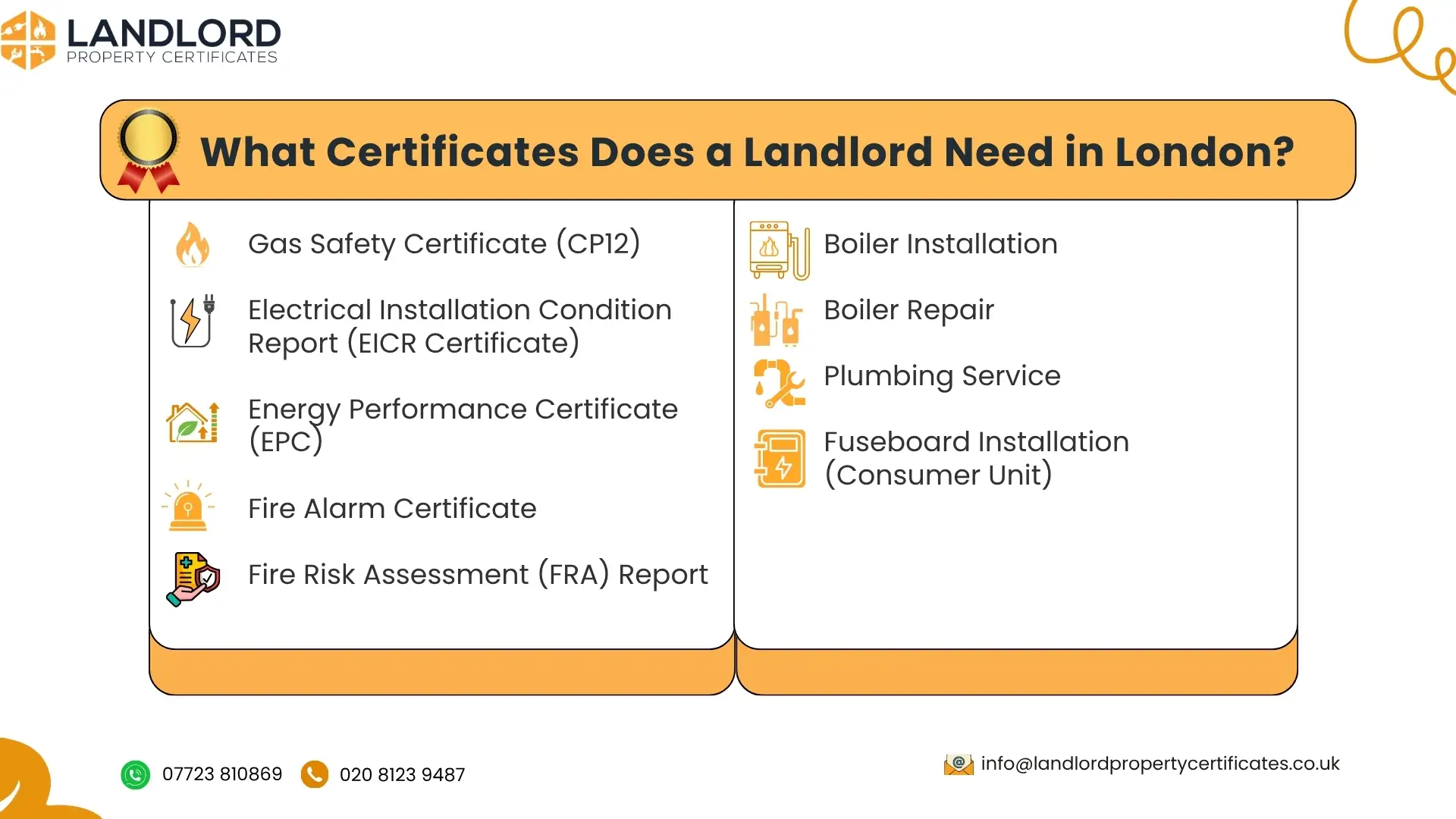
The certificates that landlords need in London are the Gas Safety Certificate, EICR Certificate, EPC Certificate, Fire Alarm Certificate, and Fire Risk Assessment Report. Listed below are the 9 certificates that landlords need in London.
Gas Safety Certificate (CP12)
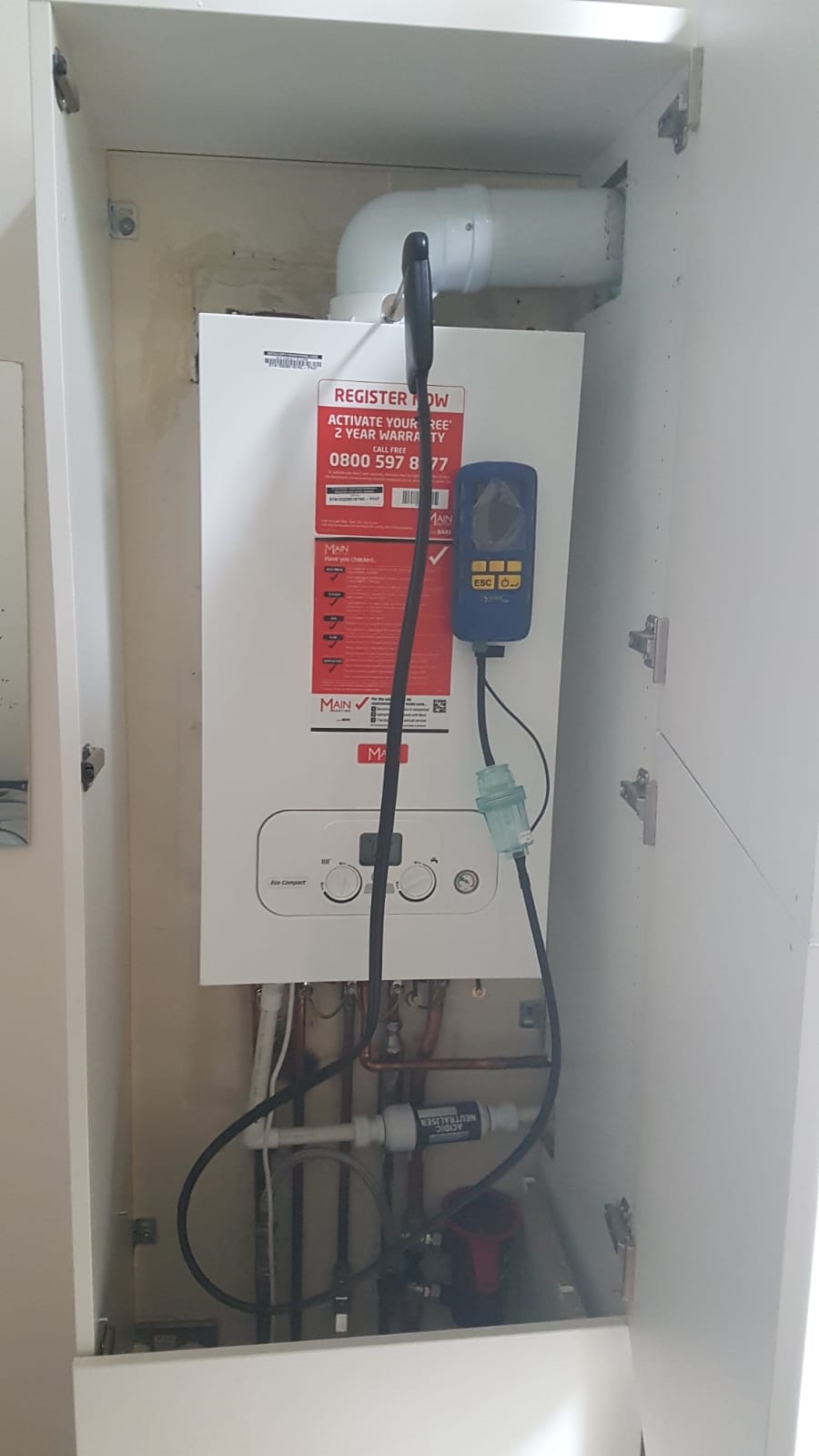
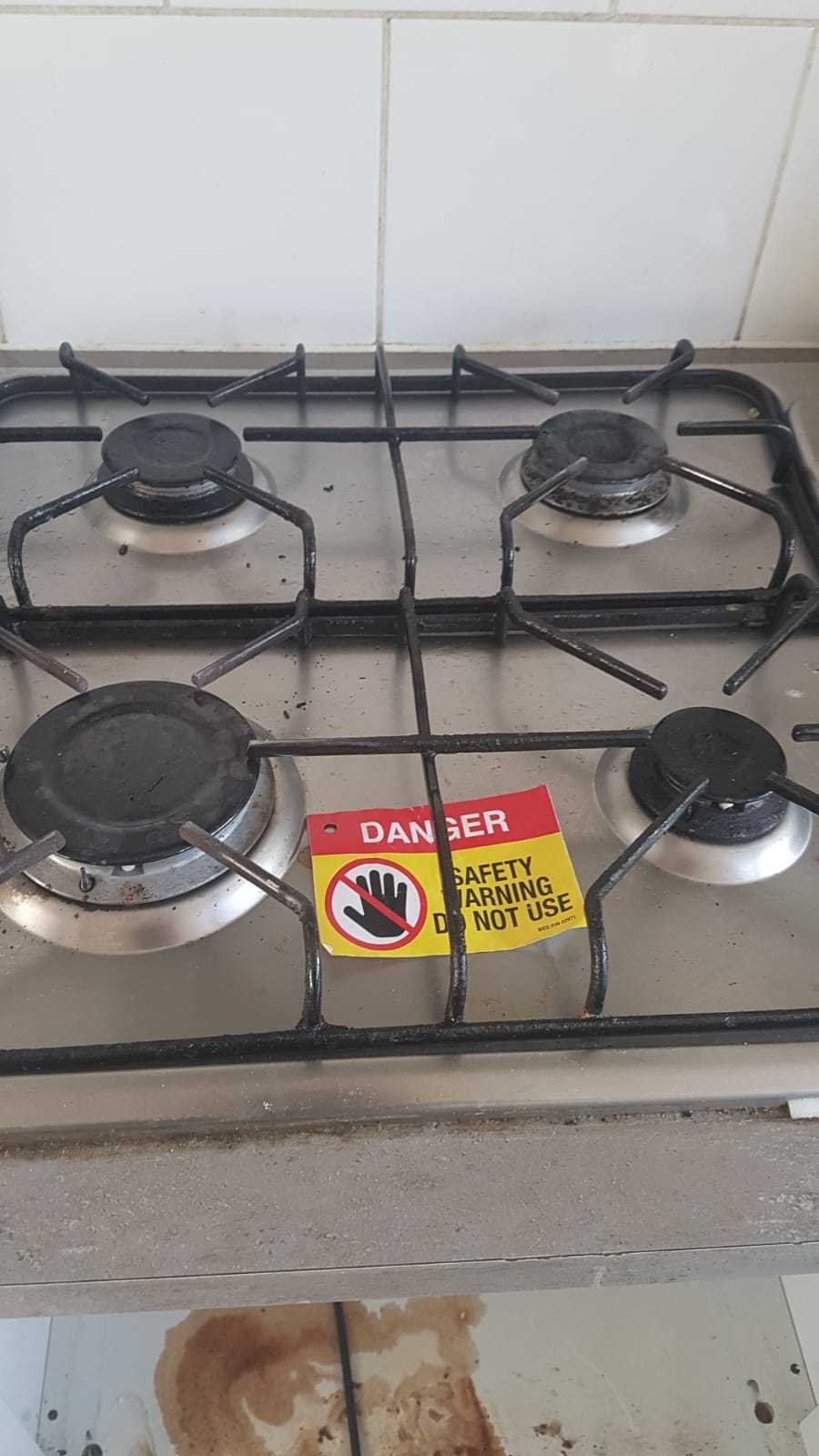
A Gas Safety Certificate (CP12), also known as a Landlord Gas Safety Record (LGSR), is a legal document that confirms that gas appliances, flues, and pipework in a rental property have been inspected and declared safe by a Gas Safe registered engineer. Landlords in London must hold a valid Gas Safety Certificate because UK law makes annual gas safety checks compulsory for all rented residential properties. The Gas Safety (Installation and Use) Regulations 1998 legally require landlords to reduce risks from gas-related hazards, with government data showing gas faults contribute to dozens of fatal carbon monoxide incidents each year.
Tenants in London are legally entitled to receive a copy of the Gas Safety Certificate before occupation and within 28 days of every annual inspection. A Gas Safety Certificate protects tenants from serious harm, such as carbon monoxide poisoning (CO), gas explosions, and fires, by confirming that appliances meet safety standards. Gas safety obligations for landlords are enforced under the Gas Safety (Installation and Use) Regulations 1998 by the Health and Safety Executive (HSE). The average cost of a Gas Safety Certificate in London ranges from £60 to £80, with additional appliances increasing the price by £10–£15 per unit. Gas Safe Register reports that 20% of UK homes fail gas safety checks, while Office for National Statistics data records 40+ carbon monoxide-related deaths annually, which shows the importance.
Electrical Installation Condition Report (EICR Certificate)
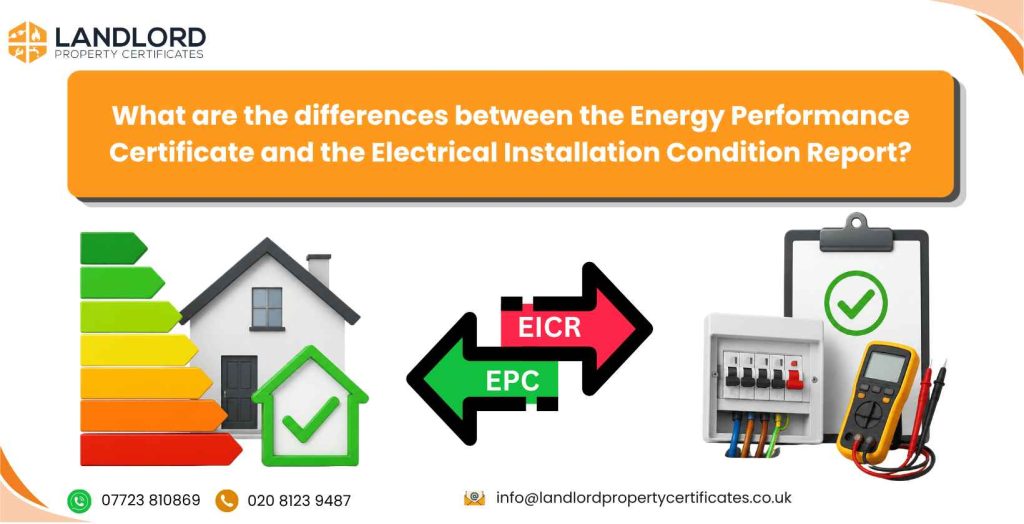
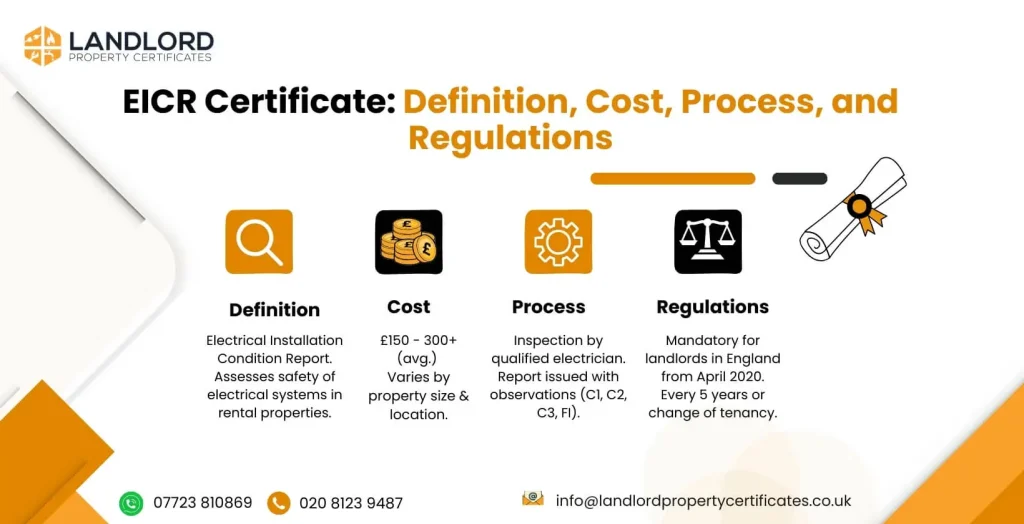
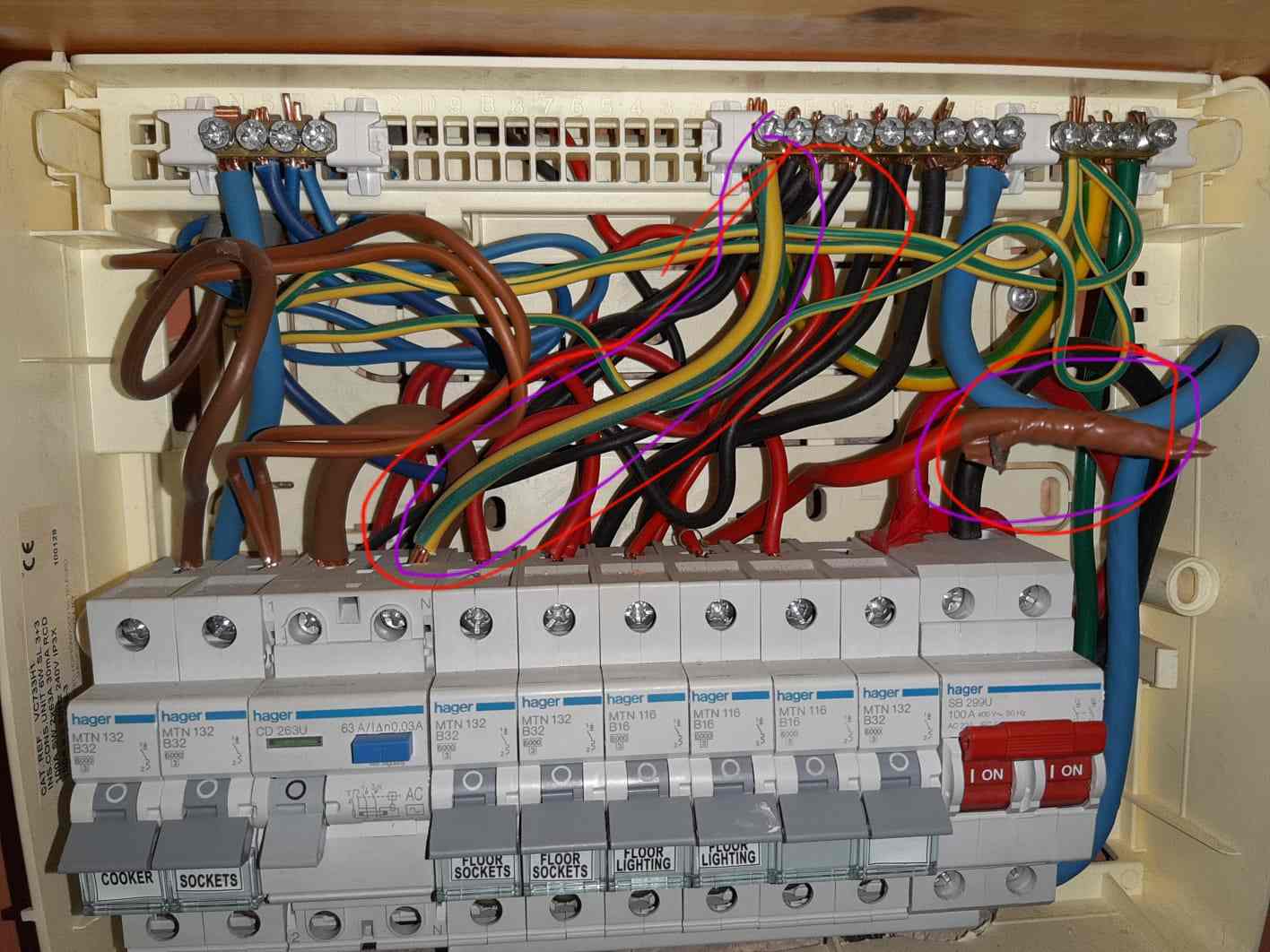
An Electrical Installation Condition Report (EICR) is a safety certificate that confirms a rental property's fixed electrics (wiring, sockets, fuse board) are safe to use. Landlords in London are legally required to have an EICR because electrical safety checks became compulsory under the Electrical Safety Standards in the Private Rented Sector (England) Regulations 2020. Landlords need an EICR in London to prevent electrical fires and electric shock risks, which remain one of the most common safety hazards found during council housing inspections.
Tenants in London have a legal right to receive a valid EICR before moving in or within 28 days of the inspection, so they are confident the property meets basic electrical safety standards. An EICR benefits tenants by identifying dangerous faults early, such as overloaded circuits or damaged wiring, before they cause fires, injuries, or power failures. Electrical safety requirements for rented homes are set by national housing regulations, and councils can take action if landlords fail to keep electrics in a safe condition. The cost of an EICR in London falls between £130 and £300+ . Industry figures show that roughly 1 in 4 rental properties inspected for the first time require electrical repairs, and landlords who ignore EICR rules can face fines of up to £30,000, increasing to £40,000 from late 2025.
Portable Appliance Testing (PAT)
Portable Appliance Testing (PAT) checks movable electrical appliances supplied by a landlord in a rental property, including kettles, microwaves, lamps, televisions, fridges, washing machines, vacuum cleaners, and extension leads. The test usually covers the plug, cable, fuse, casing, earthing, insulation resistance, overheating marks, and visible damage. In London private rentals, PAT testing is not a fixed annual legal requirement for every landlord, but landlords must make sure any electrical appliance they provide is safe for tenant use. The Electricity at Work Regulations 1989 require electrical equipment that could cause injury to be maintained safely, while PAT testing gives landlords practical evidence that supplied appliances were inspected. PAT testing is different from an EICR: an EICR checks fixed electrics such as wiring, sockets, circuits, and consumer units, while PAT testing checks portable plug-in appliances. For London landlords, PAT testing is especially relevant in furnished flats, HMOs, student lets, serviced accommodation, and properties managed through letting agents, councils, insurers, or HMO licensing conditions.
Tenants benefit from PAT testing because faulty appliances can cause electric shock, burns, overheating, and electrical fires. A PAT report records each appliance, its location, pass or fail result, failure reason, test date, next test date, and inspector details. Failed appliances should be removed, repaired, or replaced before tenant use. PAT testing frequency depends on appliance type, handling, and risk level: a bedside lamp may need less frequent testing than a kettle, iron, vacuum cleaner, or extension lead that is moved often. In London rental practice, landlords commonly arrange PAT testing annually, at tenancy changeover, before a new tenant moves in, or alongside EICR, fire alarm, or HMO compliance checks. Costs usually depend on appliance count, call-out fee, parking, access, and whether the visit is combined with other landlord checks. UK pricing guides commonly list PAT testing at around £1 to £1.25 per item, with minimum visit fees around £40 to £60; a small furnished London flat may cost around £45 to £75, while HMOs and portfolios cost more because they contain more appliances.
Energy Performance Certificate (EPC)
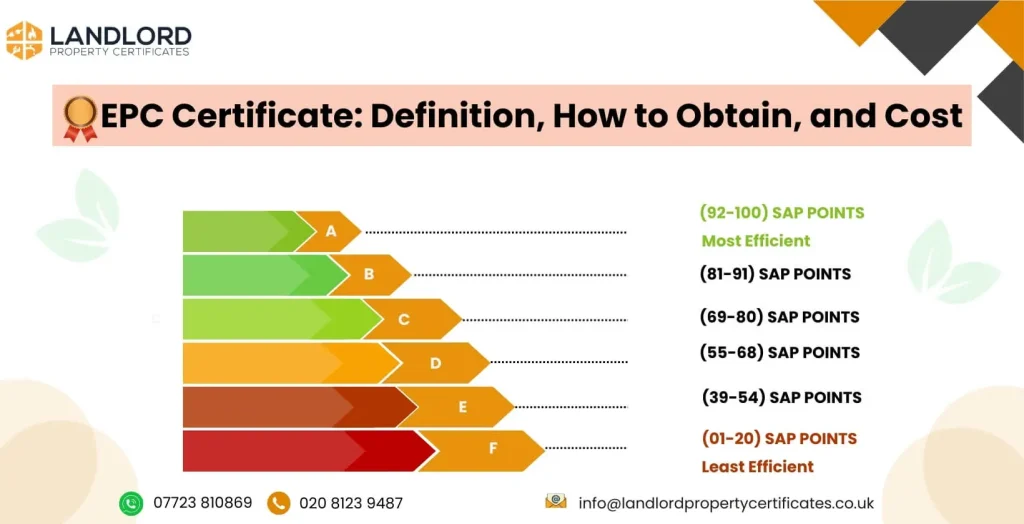
An Energy Performance Certificate (EPC) in London is a statutory document that records a property's energy efficiency rating on an A-to-G scale and discloses estimated energy costs and improvement measures under UK housing law. UK legislation requires an EPC for every residential property that is sold, rented, or newly constructed, with the certificate made available to buyers or tenants at the point of marketing. Minimum Energy Efficiency Standards (MEES) legally prohibit landlords in London from letting properties rated below Band E unless a registered exemption applies. Government EPC register data confirms that more than 30 million domestic EPCs have been lodged in England and Wales, with London accounting for one of the highest regional volumes due to rental density.
Tenants rely on EPCs to compare running costs, and Department for Energy Security and Net Zero figures show that moving from Band E to Band C reduces average household energy bills by approximately £1,200 per year. Statistical analysis of EPC scores up to Q3 2025 shows that approximately 66% of existing homes in England remain rated Band D or lower, which shows that the importance of enforcement pressure continues to increase. An EPC remains valid for 10 years unless major energy-related alterations occur. EPC costs in London range between £85 and £120+ for residential properties, which reflect assessor accreditation fees and regional demand. Energy Performance Certificates support national decarbonisation targets, measurable carbon reductions to EPC-driven upgrades in more than 7 million inefficient homes across England.
Fire Alarm Certificate
A Fire Alarm Certificate is a formal compliance record confirming that a property's fire detection and alarm system has been installed and maintained in line with British Standards (BS 5839-6, BS 5839-1) and non-domestic buildings. UK law places a clear duty on landlords to ensure fire detection systems operate correctly through the Regulatory Reform (Fire Safety) Order 2005 and the Smoke and Carbon Monoxide Alarm (England) Regulations 2022. House in Multiple Occupation HMOs legally require documented fire alarm inspection, and London councils report that more than 80% of licensed HMOs are fitted with Grade A certification.
Fire alarm certification directly protects tenants by early fire detection, and Home Office fire statistics confirm that working alarms reduce the risk of fatal injury in residential fires by approximately 60%. Landlords depend on certification records to explain legal compliance during council inspections, insurance claims, and licensing reviews.
The Building Safety Act 2022 strengthens accountability for fire-safety systems in higher-risk residential buildings, reinforcing the requirement for auditable alarm maintenance and evidence of compliance. Professional fire alarm testing also reduces false alarms, and industry maintenance audits show that certified systems experience up to 40% fewer nuisance activations compared to uncertified installations. Fire Alarm Certificate costs in London range from £110 to £150+ for residential properties. London Fire Brigade incident analysis confirms that properties with documented fire alarm servicing and certification demonstrate faster evacuation times and lower property-damage severity during fire events.
Fire Risk Assessment (FRA) Report
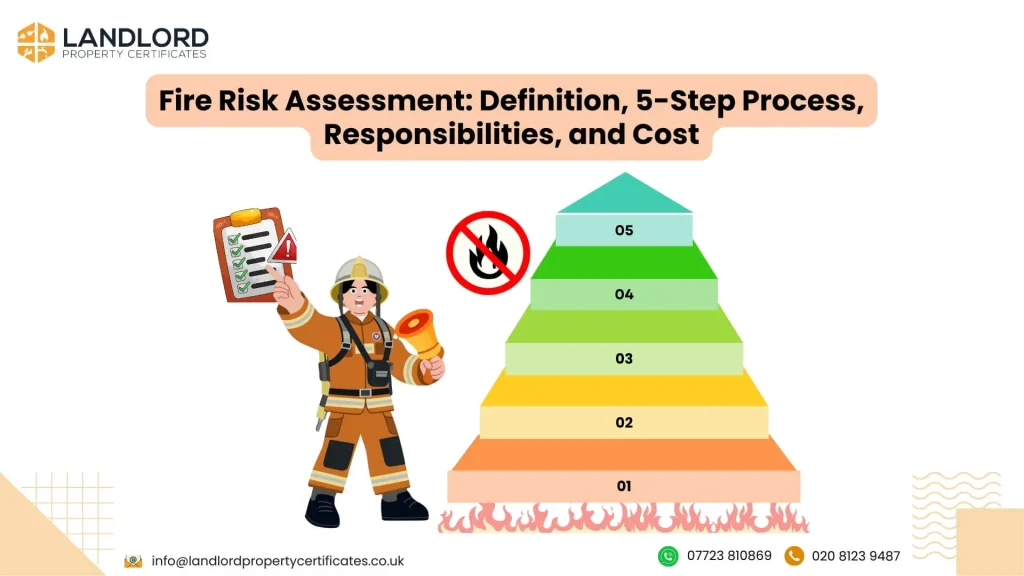
A Fire Risk Assessment (FRA) is a formal inspection that identifies fire hazards, evaluates existing fire-safety controls, and documents corrective actions required to reduce risk within a building. Landlords in London legally require a Fire Risk Assessment for any property containing standard parts (blocks of flats and Houses in Multiple Occupation (HMOs)). The Regulatory Reform (Fire Safety) Order 2005, reinforced by amendments between 2023 and 2025, assigns legal responsibility to the "Responsible Person" to manage and document fire safety conditions. Failure to hold or update a Fire Risk Assessment exposes landlords to unlimited financial penalties and custodial sentences of up to 2 years under UK fire-safety enforcement powers.
Tenants do not require ownership of the FRA document, but UK housing guidance requires landlords to inform occupants of findings that affect evacuation routes, alarms, or fire doors. Tenants benefit directly through improved escape planning, maintained fire doors, and reduced exposure to smoke-spread and ignition risks. London Fire Brigade incident data confirms that approximately 60% of accidental dwelling fires originate from cooking and electrical distribution faults, risks that structured FRA reviews directly address. Fire Risk Assessments in London cost £250–£500 for standard residential buildings and £500–£1,400+ for larger or complex properties, governed by the Housing Act 2004 (HHSRS) and the Fire Safety Act 2021.
Boiler Installation
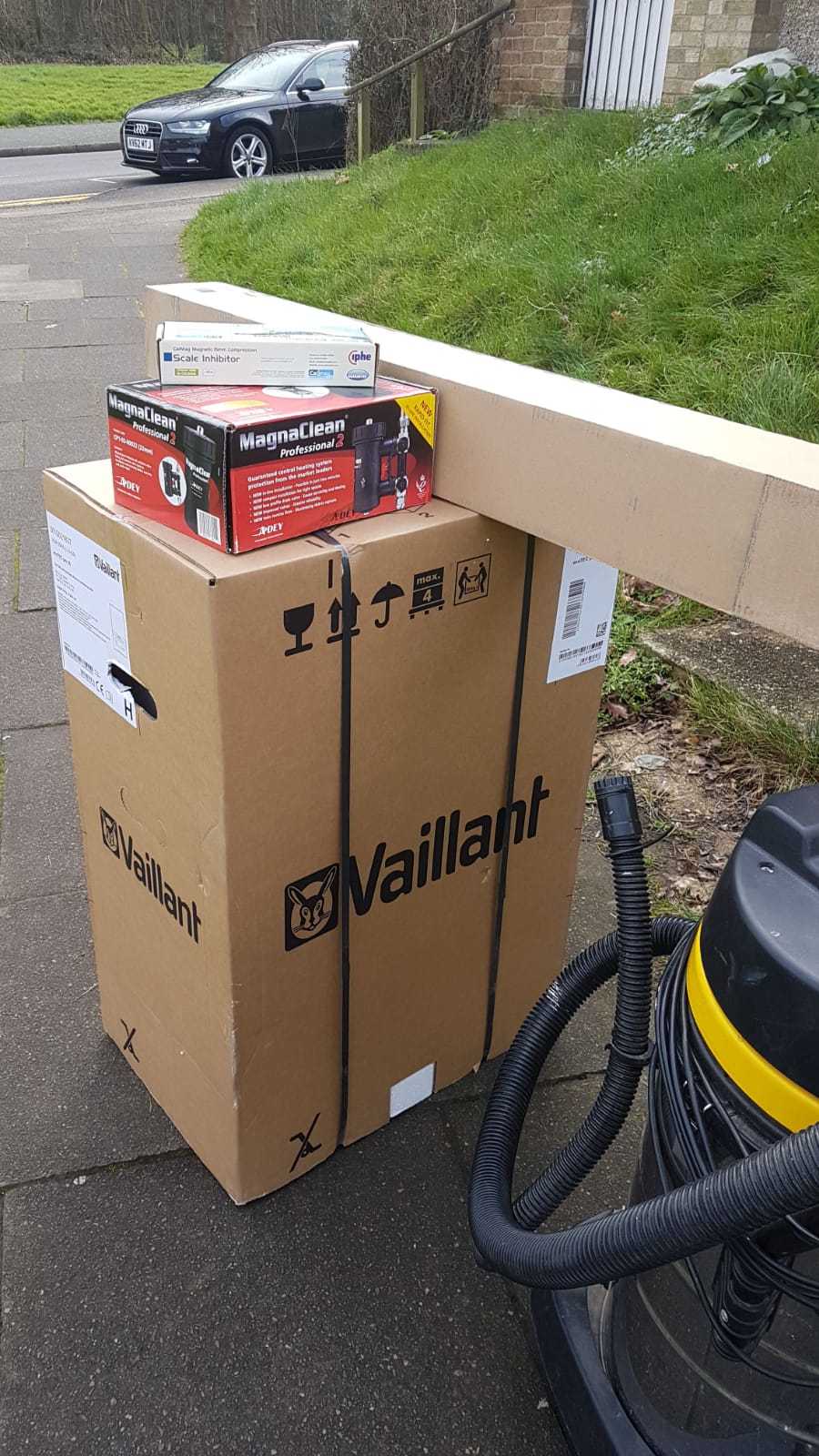
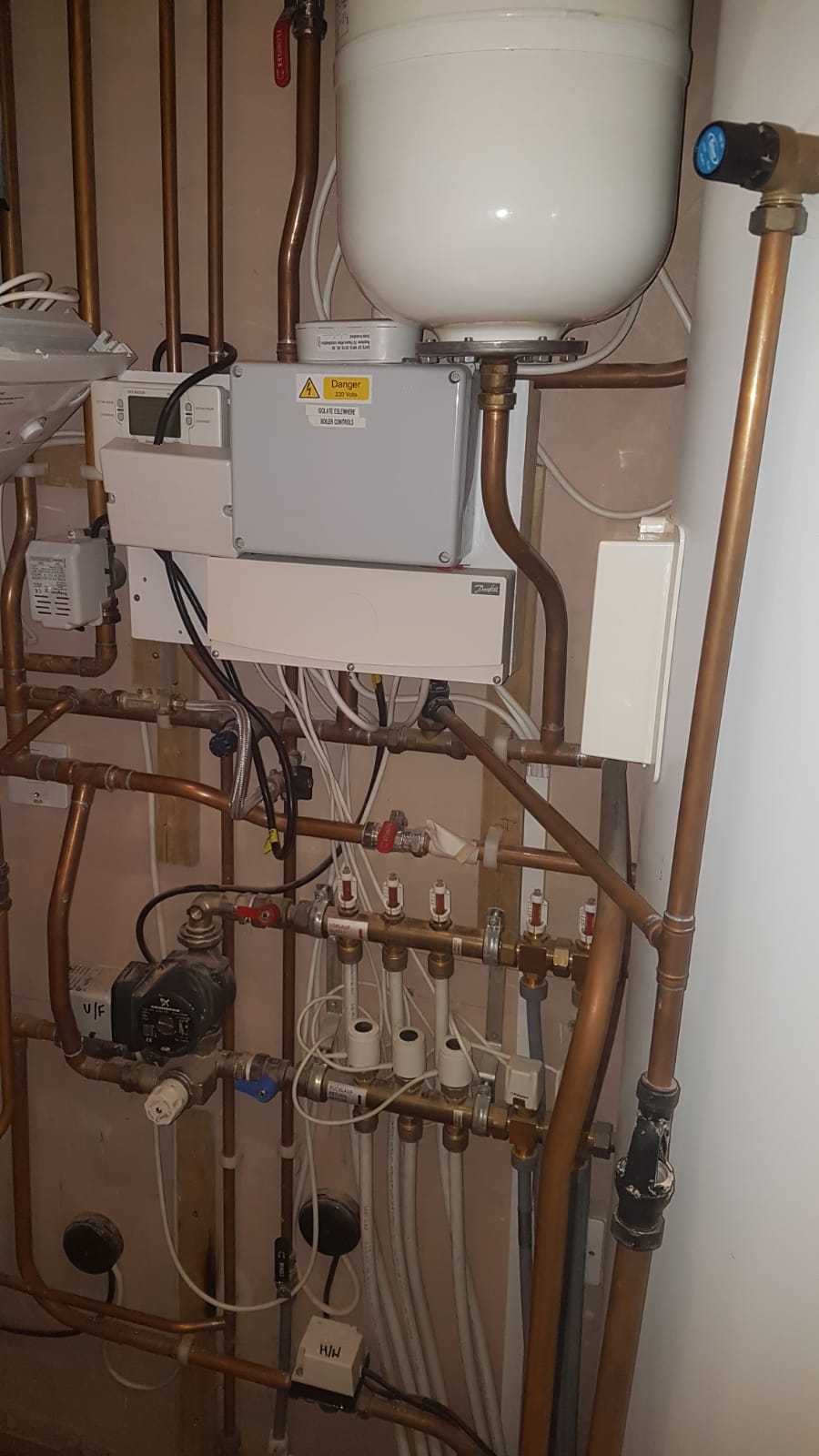
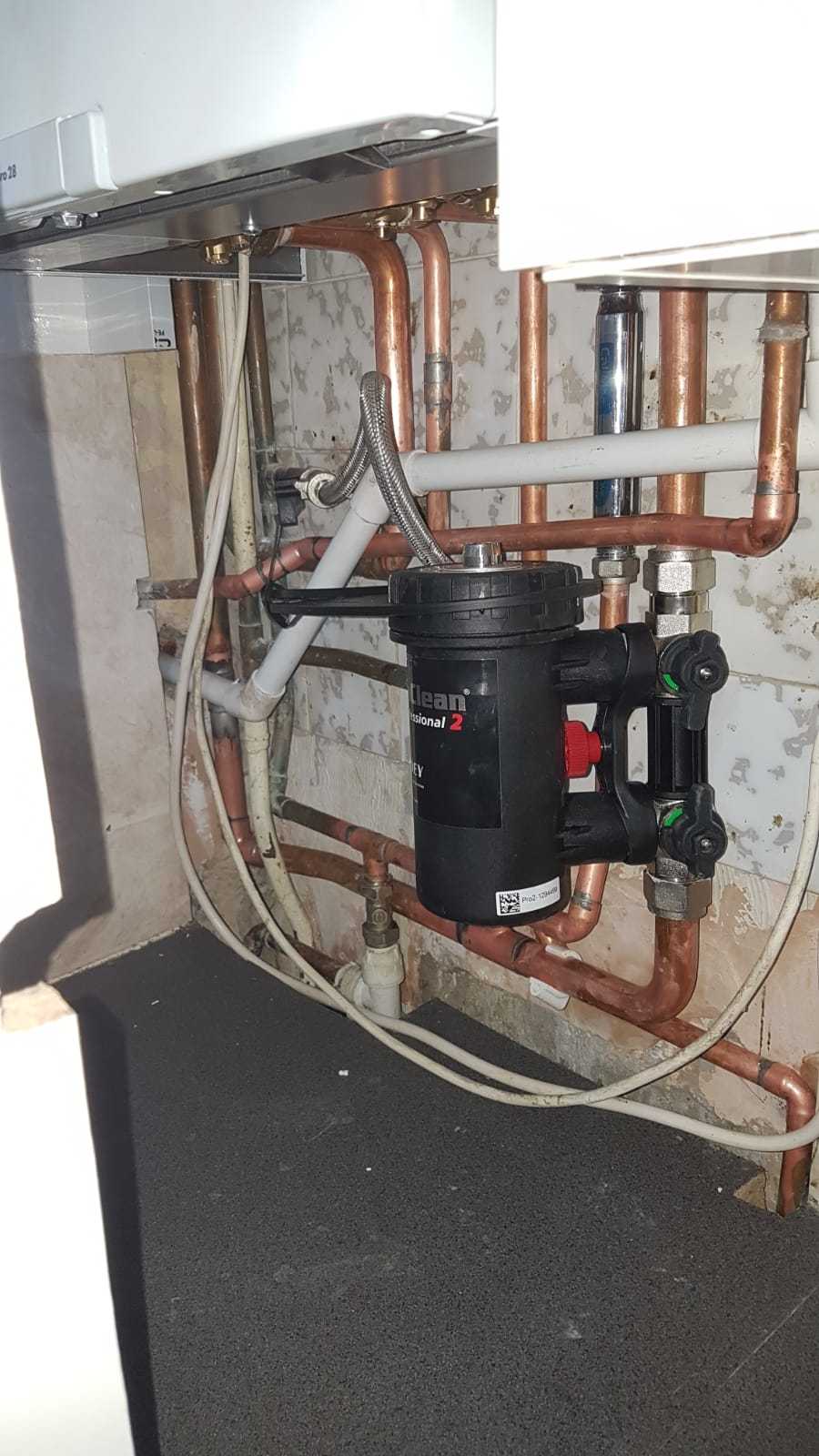
A Boiler Installation is the regulated replacement of an outdated or unsafe heating unit with a modern energy-efficient system, including Combi boilers, System boilers, and Heat Pumps. Landlords in London require boiler installation when an existing unit fails mandatory safety checks or breaks down beyond economical repair. Boiler replacement is also required when the system prevents the property from meeting the EPC Grade C threshold mandated for new tenancies from 2025–2026. The Future Homes Standard 2025 and updated Building Regulations Part L require landlords to reduce residential carbon emissions by upgrading inefficient heating systems. Gas-based heating systems fall under the Gas Safety (Installation and Use) Regulations 1998, which legally prohibit landlords from operating unsafe or non-compliant boilers in rented properties.
Tenants do not require ownership of a boiler installation certificate, but tenancy law obligates tenants to provide access for the 1–2 day installation process. Tenants benefit through consistent heating and hot water supply, with government energy models showing annual savings of £300–£600 when upgrading from inefficient systems. Modern A-rated boilers operate at over 90% efficiency, compared to 60–70% efficiency recorded in older G-rated boilers, directly reducing fuel consumption. Boiler installation costs in London range from £2,000 to £4,500 in 2025.
Boiler Repair
Boiler repair is the servicing or replacement of faulty components of the boiler to restore safe and continuous heating and hot-water supply in a rented property. London landlords carry a strict legal obligation to repair a malfunctioning boiler without delay, and this duty does not depend on tenancy type or rent level. Section 11 of the Landlord and Tenant Act 1985 places responsibility on landlords to keep gas, water, electricity, and space-heating systems in proper working order.
Tenants do not require authorisation to arrange repairs, yet tenancy law requires tenants to report boiler faults as soon as a failure is identified. Health protection forms the primary tenant benefit, as loss of heating during colder months increases respiratory illness risk and accelerates damp and mould formation. Repair costs in London during 2025 typically range from £80–£150 for minor faults and rise to £200–£600 when parts such as pumps or heat exchangers fail. Seasonal repair data from London housing maintenance providers shows a 45% increase in emergency boiler breakdowns between November and January. Local authority guidance confirms that a complete loss of heating qualifies as an urgent repair, requiring landlord action within 24 hours under housing enforcement standards.
Plumbing Service
Plumbing service covers the inspection, repair, and maintenance of fixed pipework, drainage systems, and water fixtures that form part of a property's structure. Responsibility for structural and external plumbing sits entirely with the landlord in London, regardless of tenant behaviour or property age. Awaab's Law, reinforced through 2025 regulatory updates, requires landlords to address hazards caused by leaks, damp, or mould within defined statutory timescales. Assessment of reported plumbing hazards must occur within 14 days, followed by corrective repair work within 7 days once a risk is confirmed.
Tenants remain responsible only for basic "tenant-like" actions, such as clearing a sink blockage caused by personal use, rather than system defects. Protection of tenant health represents the main benefit, as unresolved leaks contribute directly to mould growth, indoor air contamination, and material damage. Plumbing labour costs across London average £110–£150+ per hour, while common leak repairs fall between £110 and £200+ in residential properties.
Fuseboard Installation (Consumer Unit)
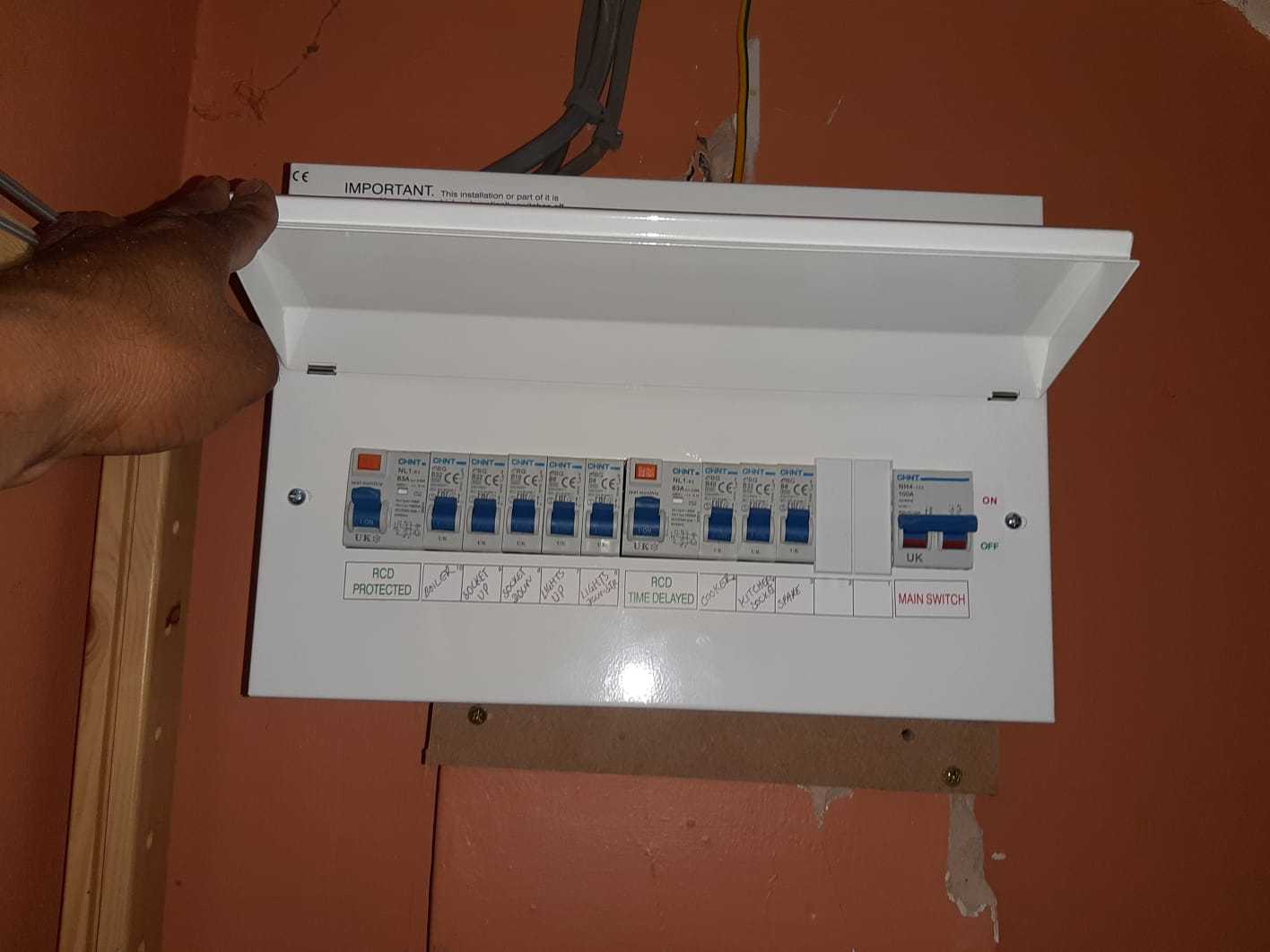
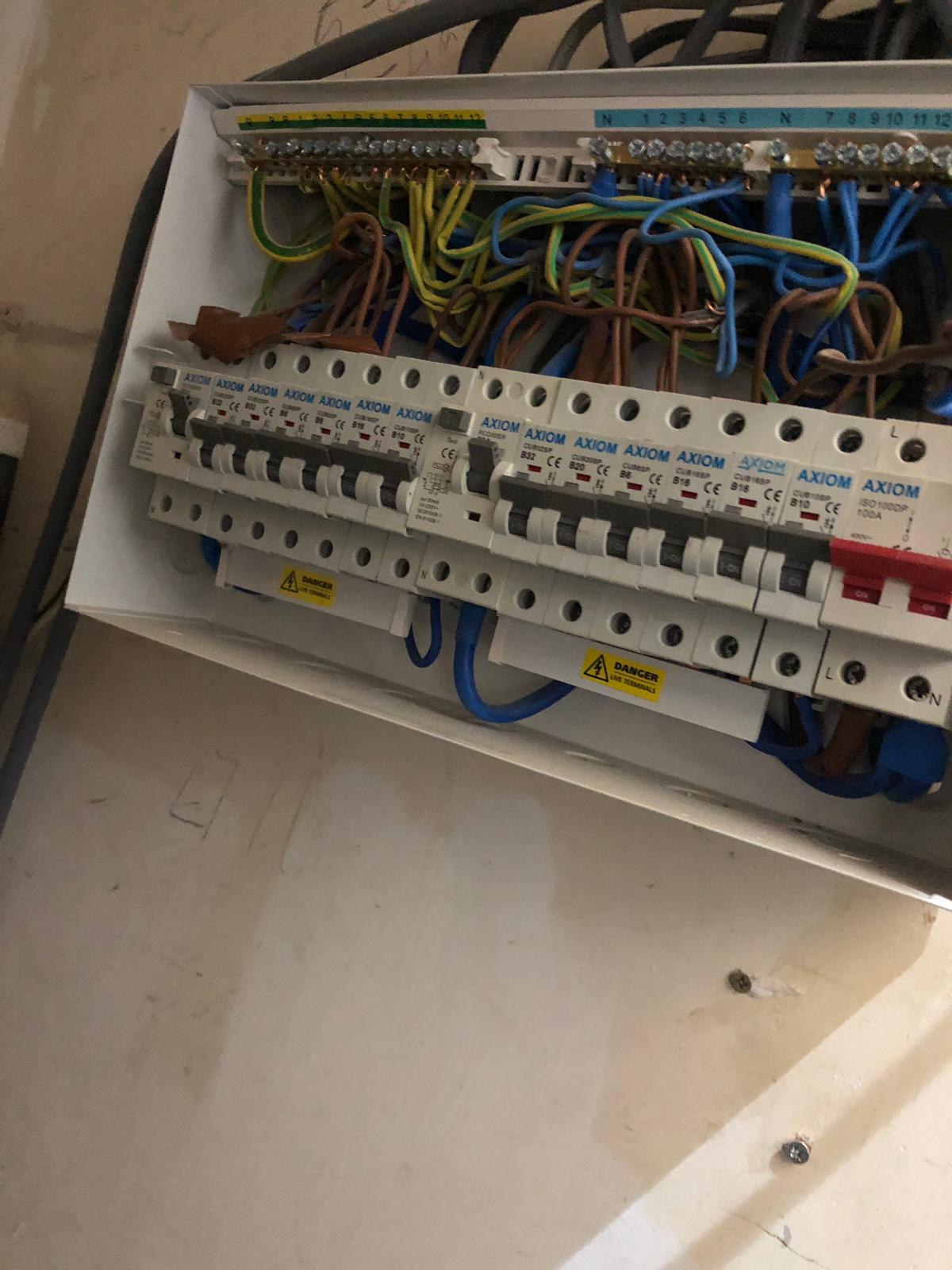
Fuseboard installation or repair refers to replacing an outdated electrical consumer unit with a modern distribution board fitted with RCD (Residual Current Device) protection, which disconnects power within 30 milliseconds when a fault is detected. London landlords must install a new fuseboard when an existing unit fails an EICR with a Code C1 (immediate danger) or Code C2 (potentially dangerous) classification. Compliance with BS 7671 (18th Edition Wiring Regulations) requires RCD protection on all final circuits, a standard enforced across England since January 2019.
Tenants do not need to arrange or fund fuseboard upgrades, yet UK law prevents landlords from legally letting a property without a "Satisfactory" EICR, which requires a compliant consumer unit. Tenant safety improves significantly because RCD protection reduces the risk of fatal electric shock by disconnecting faulty circuits before current exceeds 30 mA, the threshold associated with cardiac arrest. Installation costs of the fusebox in London during 2025 range between £650 and £1,500+ . Electrical Safety First data indicates that over 20,000 UK house fires each year originate from electrical faults. Modern RCD-protected fuseboards prevent 90%+ of fatal domestic electrocution incidents. Legal enforcement stems from the Electrical Safety Standards in the Private Rented Sector (England) Regulations 2020, which mandate EICR inspections every 5 years and allow councils to issue fines of up to £30,000 per breach.
How to get a landlord Certificate in London?
To get a certificate in London, the landlord performs the listed steps below.
- Identify Required Certificate Type: Identify the specific landlord certificate required by matching the property type and risk profile with statutory obligations such as Gas Safety (CP12), EICR, EPC, or Fire Risk Assessment. Certified professionals validate this selection by reviewing the property layout, presence of gas appliances, fixed electrical systems, shared areas, and licensing status before accepting the job. London compliance audits show that 68% of landlord failures in 2025 occurred because the wrong certificate type was identified or a mandatory document was missed.
- Confirm Property Eligibility: Confirm that the property meets the baseline technical and physical conditions needed for a lawful inspection, such as access to the boiler, consumer unit, meters, and all occupied rooms. Certified professionals pre-check eligibility by confirming appliance access, electrical visibility, fire-door clearance, and system age to avoid aborted visits.
- Schedule Professional Assessment: Schedule the inspection with a registered and insured specialist authorised under the relevant accreditation scheme (Gas Safe, NICEIC, NAPIT, or Fire Risk Assessor Register). Certified professionals coordinate inspection dates with tenants, ensuring legal notice requirements are met under the Renters' Rights Act 2025. London letting agencies report that inspections scheduled with at least 7 days' notice improve completion success by 40% compared to the legal minimum of 24 hours.
- Submit Property Documentation: Submit existing certificates, installation records, floor plans, and maintenance history to establish compliance continuity and risk patterns. Certified professionals analyse prior reports to identify recurring defects, expired certificates, or warranty-covered systems before conducting on-site testing.
- Prepare Property for Inspection: Prepare the property by ensuring unrestricted access to appliances, meters, consumer units, sockets, lofts, basements, and communal areas. Certified professionals issue access checklists to landlords or tenants to guarantee testing conditions meet British Standards. London inspection records indicate that inadequate preparation causes 1 in 5 failed assessments, particularly during EICR and FRA inspections.
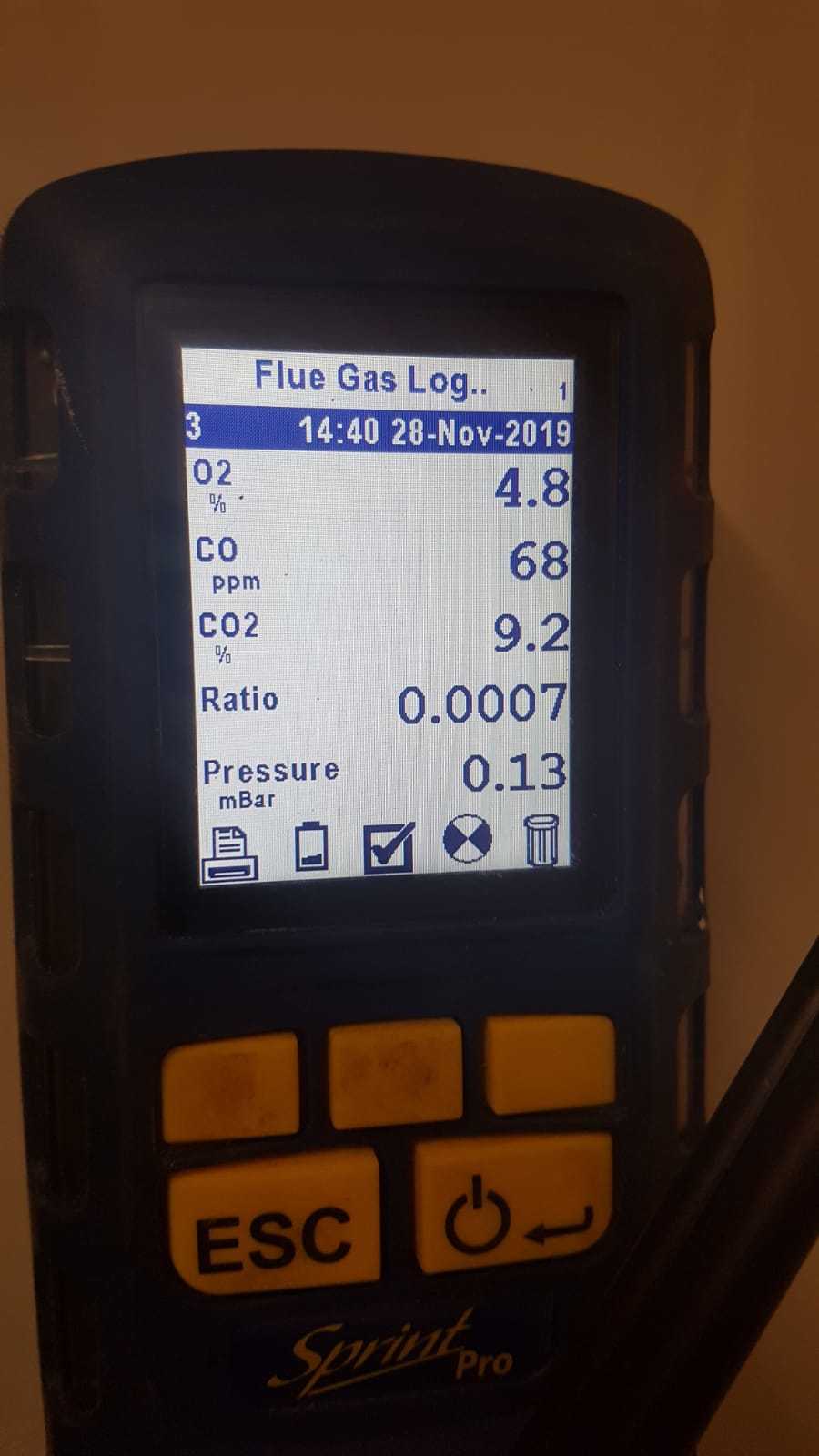
- Complete Compliance Inspection: Complete the formal inspection by conducting on-site safety testing against current UK standards and regulatory thresholds. Certified professionals use calibrated instruments such as flue gas analysers, multifunction electrical testers, and fire-door gauges to measure safety performance. EICR data from 2025 shows that 25% of pre-1970 London properties initially fail inspection due to outdated fuseboards or wiring defects.
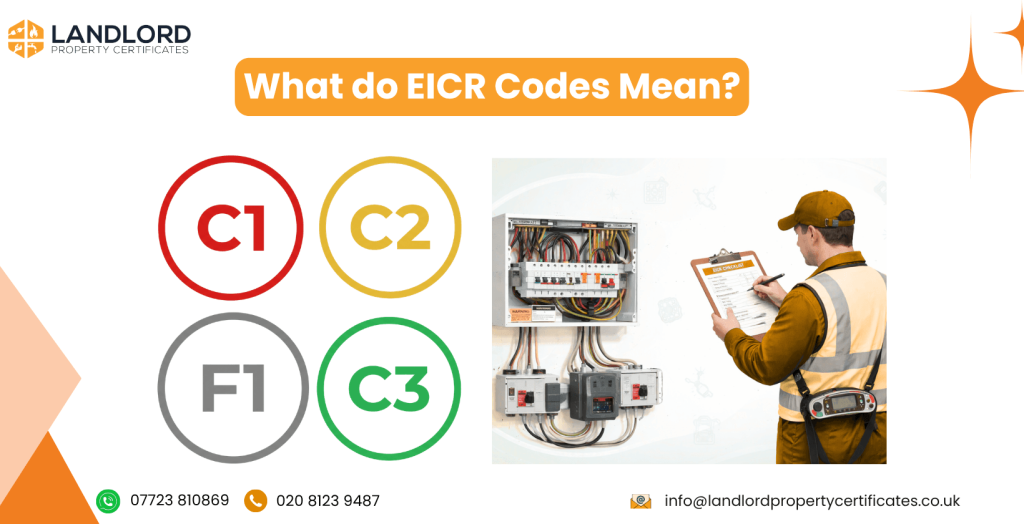
- Receive and Validate Certificate: Receive the issued digital or physical certificate and verify accuracy, validity period, defect codes, and compliance status. Certified professionals upload results to official registers and issue remedial codes (C1, C2, C3) where applicable.
What is the best Landlord Certificate provider in London, UK?
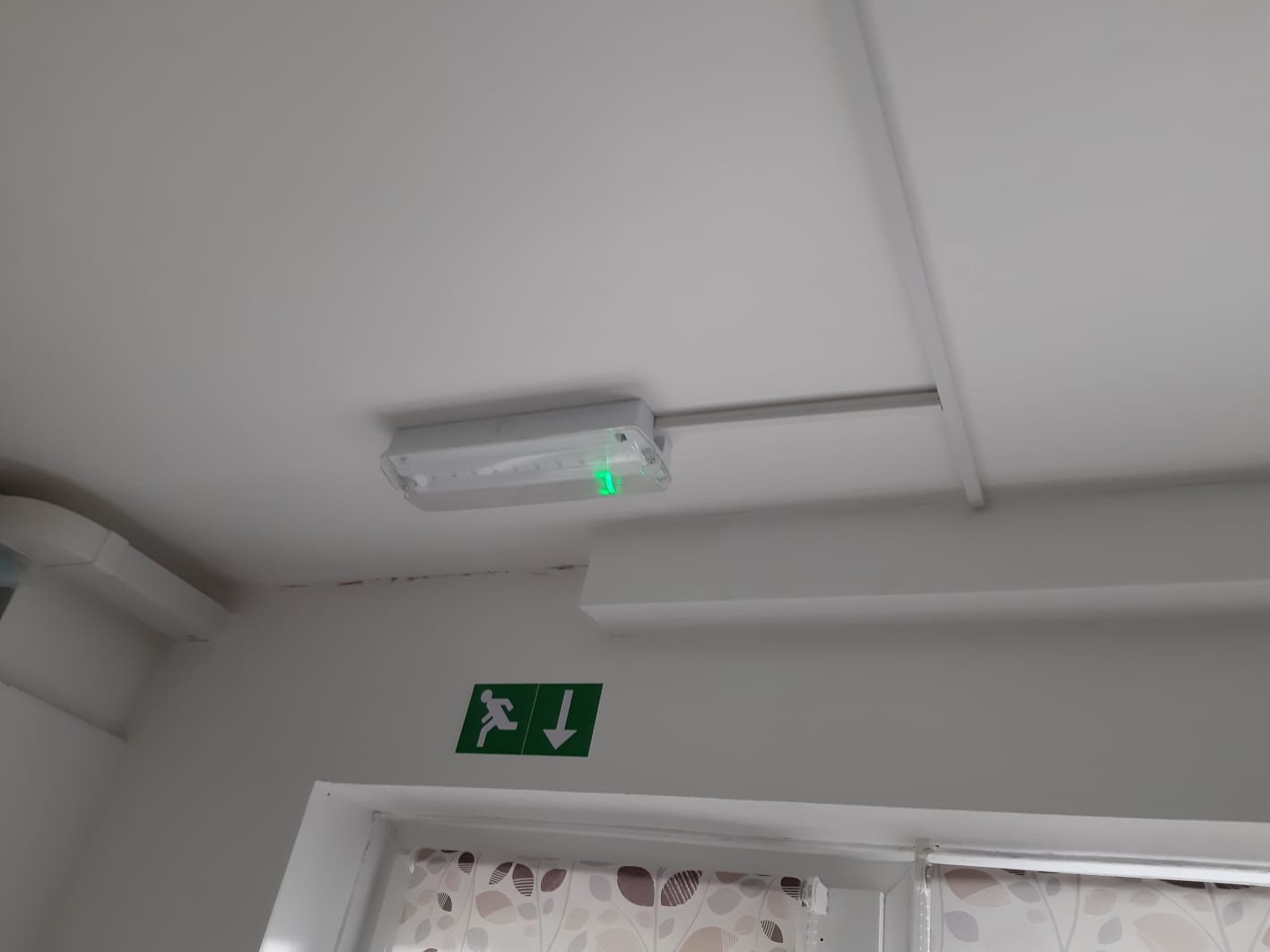
Landlord Property Certificates is the best landlord certificate provider in London, which delivers all legally required landlord safety certificates through fully accredited engineers across the entire London and M25 region. The company covers the complete statutory scope in one place, which includes Gas Safety Certificates, EICR, EPC, Fire Risk Assessments, Fire Alarm Certificates, Emergency Lighting, PAT Testing, and associated remedial services such as boiler installation, boiler repair, plumbing, and fuseboard upgrades. Engineers registered with Gas Safe, NICEIC, NAPIT, STROMA, and Elmhurst Energy carry out all property inspections. Coverage across all London zones, fast inspections (30–90 minutes), and certificate delivery within 24 hours make Landlord Property Certificates a reliable and practical compliance choice for landlords.
What Is the Cost of Landlord Certificates in London?
The cost of landlord certificates in London ranges from £60 to £3,000. The minimum landlord certificate cost (£130–£350) applies to studio or one-bed flats with limited appliances, basic electrics, and no communal areas. The average landlord certificate cost (£450–£650) reflects standard two- to three-bedroom houses. The maximum landlord certificate cost (£1,500–£3,000+) occurs in large HMOs or older buildings where inspections uncover mandatory remedial works.
When is a landlord's certificate required in the United Kingdom?
Listed below are the legally required scenarios in which landlord certificates are required.
- Starting a new tenancy: UK law requires landlords to provide a valid Gas Safety Certificate (CP12), an EICR, and an EPC to tenants before occupation, with failure to do so invalidating possession rights under Section 21 and exposing landlords to fines of up to £7,000 (2026 rules).
- Renewing time-limited safety certificates: Statutory renewal cycles apply even without a change in tenant, which includes 12 months for Gas Safety, 5 years for EICR, and 10 years for EPC.
- Applying for or renewing HMO or selective licences: Local authorities require current Gas Safety and EICR reports, and a Fire Risk Assessment (FRA), before issuing licences.
- Meeting Minimum Energy Efficiency Standards (MEES): Rental properties must meet EPC Grade E (current) and Grade C for new tenancies from 2025–2026, with sub-standard properties legally prohibited from being let without exemptions.
- Selling a rental property: Property marketing law mandates a valid EPC at the listing stage, while conveyancing solicitors routinely demand Gas Safety and EICR records as part of buyer due diligence checks.
- Refinancing or securing buy-to-let mortgages: Mortgage lenders require a current EPC (often Grade C) and a satisfactory EICR to release funds, with expired certificates treated as loan-term breaches.
- Completing major repairs or installations: Boiler replacements, electrical rewiring, or structural alterations legally trigger new Gas Installation Certificates, or updated EICR reports at the point of work completion.
- Responding to local authority inspections or complaints: Environmental Health Officers legally demand all safety certificates within 7 days, with failure leading to civil penalties up to £40,000, or prosecution.
How often do you need a landlord certificate in the United Kingdom?
Listed below are the valid time periods for each landlord certificate.
- Gas Safety Certificate (CP12): The Gas Safety Certificate is valid for 12 months. UK law requires landlords to renew it annually for any rented property containing gas appliances.
- Electrical Installation Condition Report (EICR): The EICR is valid for a maximum period of five years. A qualified electrician can legally reduce this validity if wiring deterioration or safety defects are identified.
- Energy Performance Certificate (EPC): The EPC remains valid for ten years. Earlier renewal becomes mandatory if the property falls below the minimum EPC rating permitted for letting.
- Fire Risk Assessment (FRA): The Fire Risk Assessment does not have a fixed expiry date. Fire-safety guidance requires an annual review, with a complete reassessment every 1 to 3 years.
Who provides landlord certificates?
A landlord certificate provider issues landlord certificates. A landlord certificates provider provides legally required compliance documents through certified and government-approved professionals in the United Kingdom. Gas Safe-registered engineers issue Gas Safety Certificates, qualified electricians issue EICR reports, and EPCs are produced by accredited domestic energy assessors. An authorised landlord certificates provider guarantees legal validity, regulatory acceptance, and full compliance with UK rental laws.
What happens if the landlord doesn't have landlord certificates?
The legal consequences of not having landlord certificates in London include automatic breaches of housing law that trigger fines, loss of rental rights, and direct financial liability. UK regulations impose penalties of up to £6,000 per missing Gas Safety Certificate under the Gas Safety (Installation and Use) Regulations 1998.
Electrical safety breaches can result in penalties of up to £40,000 per property under the Electrical Safety Standards Regulations 2020. Serious fire-safety violations carry unlimited fines or up to two years' imprisonment under the Fire Safety Order 2005.
The Building Safety Act 2022 legally transfers 100% of remediation costs for relevant defects (cladding, fire-stopping) to landlords who fail to provide statutory certificates, removing any right to charge leaseholders.
Do landlords have to publicly display landlord certificates?
No, landlords do not have to publicly display landlord certificates for standard private rental properties in the United Kingdom. UK law only requires landlords to provide copies of Gas Safety and EICR certificates to tenants, which must be issued before move-in or within 28 days of inspection. The sole exception applies to HMOs (Houses in Multiple Occupation), where London councils require the HMO licence and manager contact details to be displayed in a communal area under the Housing Act 2004.
What are the benefits of having landlord certificates in London?
Listed below are the key benefits of holding valid landlord certificates in London.
- Protect legal position: Landlord certificates protect landlords from fines, prosecution, and enforcement action by evidencing compliance with statutory duties. Gas Safety Regulations 1998, Electrical Safety Standards Regulations 2020, and the Building Safety Act 2022 all require valid certification to demonstrate lawful operation.
- Safeguard tenant health: Landlord certificates safeguard tenants from hazards such as carbon monoxide exposure, electrical fires, and smoke inhalation. London Fire Brigade safety data attributes over 70% of serious rental-property incidents to absent or outdated safety controls.
- Preserve eviction rights: Landlord certificates preserve the legal right to serve possession notices under Section 21 and related procedures. UK courts regularly dismiss eviction claims where mandatory certificates are missing, expired, or issued after tenancy commencement.
- Strengthen insurance protection: Landlord certificates strengthen insurance coverage by providing documented proof of hazard mitigation and risk control. Insurers rely on valid certificates when underwriting policies and assessing post-incident claims.
- Increase tenant confidence: Landlord certificates increase tenant confidence by demonstrating professional and compliant property management practices. London letting-market data shows that compliant properties achieve longer tenancy durations.
- Support licensing and sales: Landlord certificates support HMO licensing, selective licensing, and property transactions without administrative delay. Local councils and conveyancing solicitors require in-date safety certificates before approvals or legal completion.
- Reduce long-term costs: Landlord certificates reduce long-term expenditure by identifying electrical, gas, and structural faults at an early stage. Industry maintenance audits confirm proactive certification reduces emergency repair spending by up to 40%.