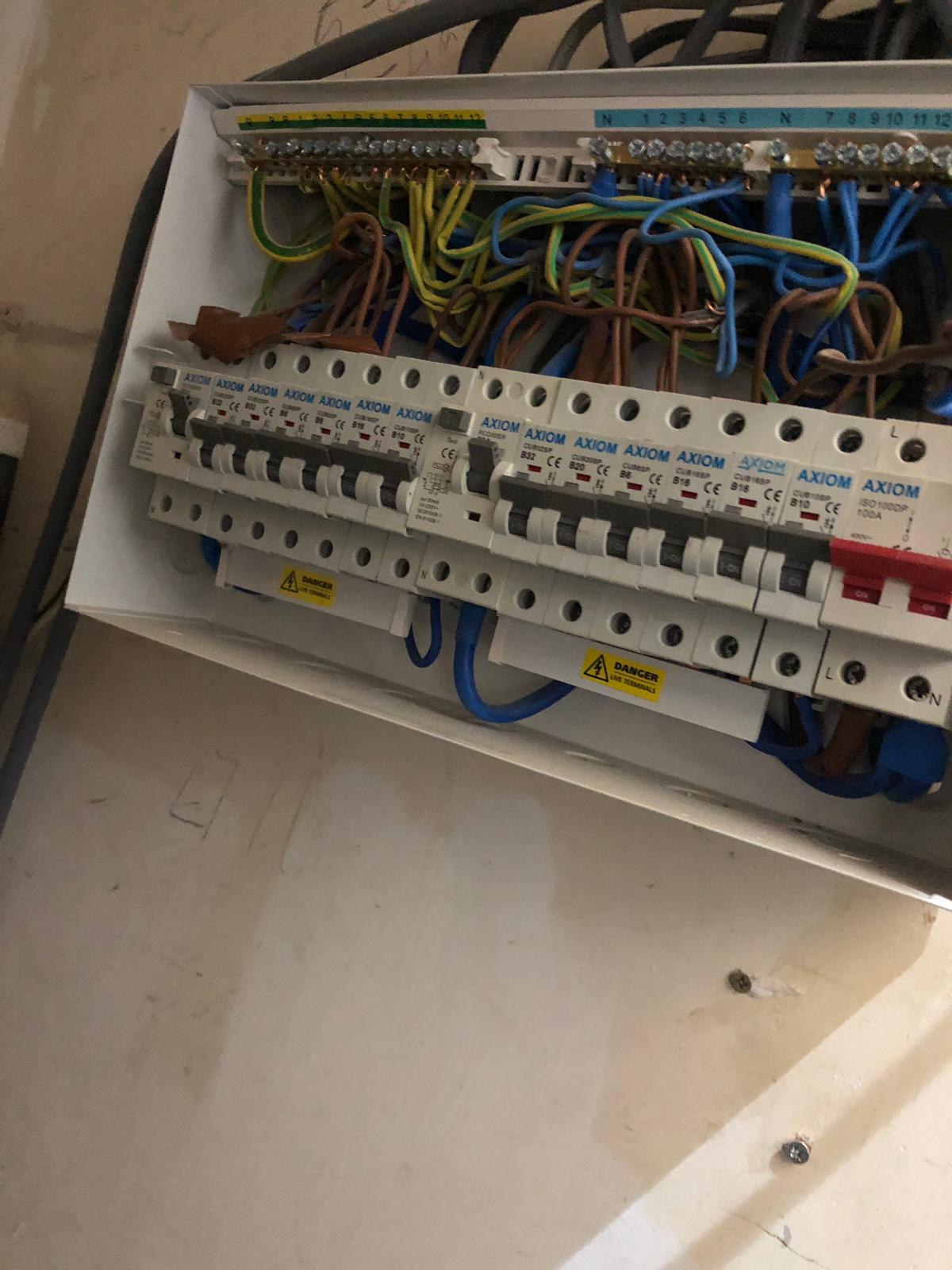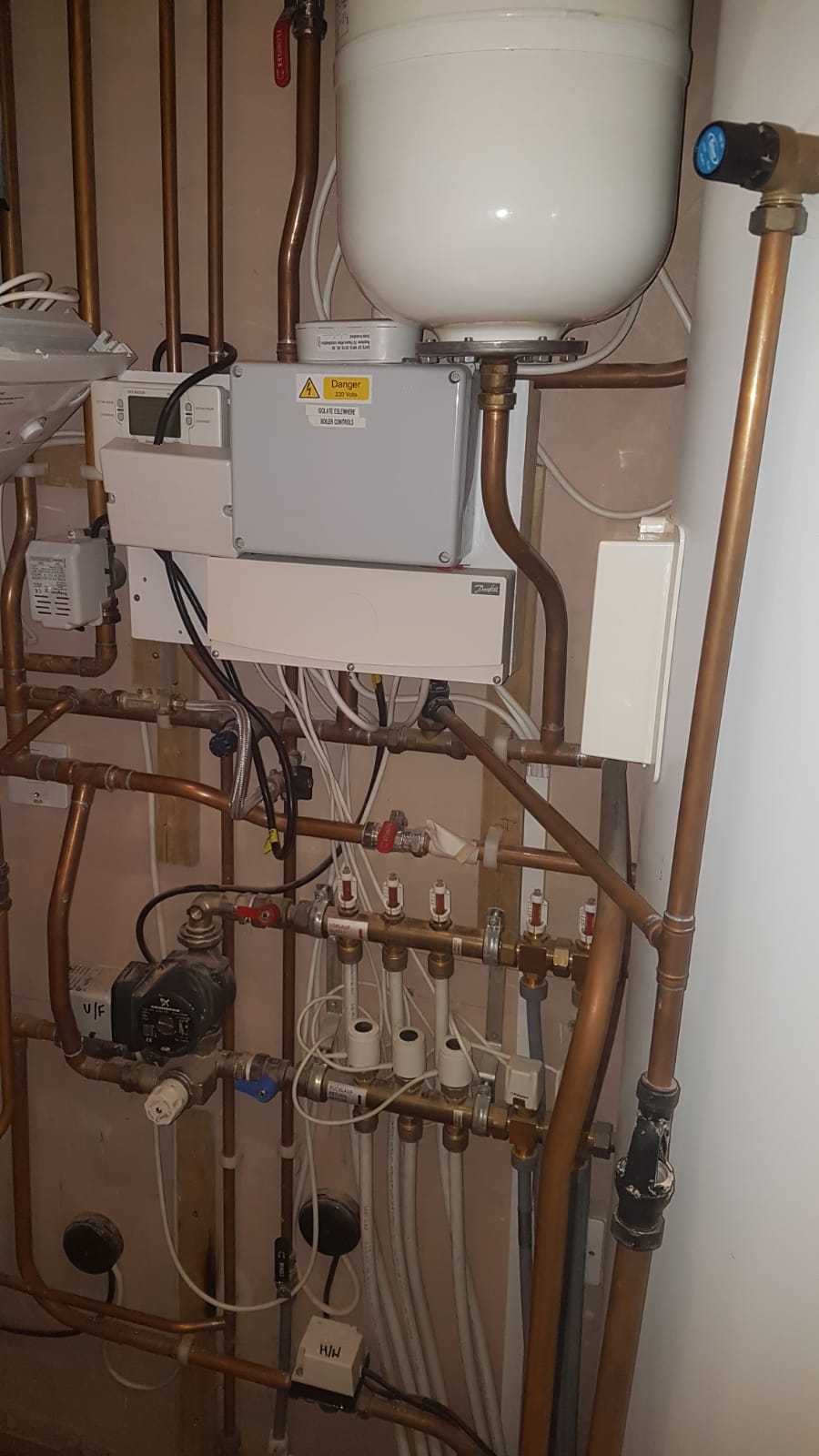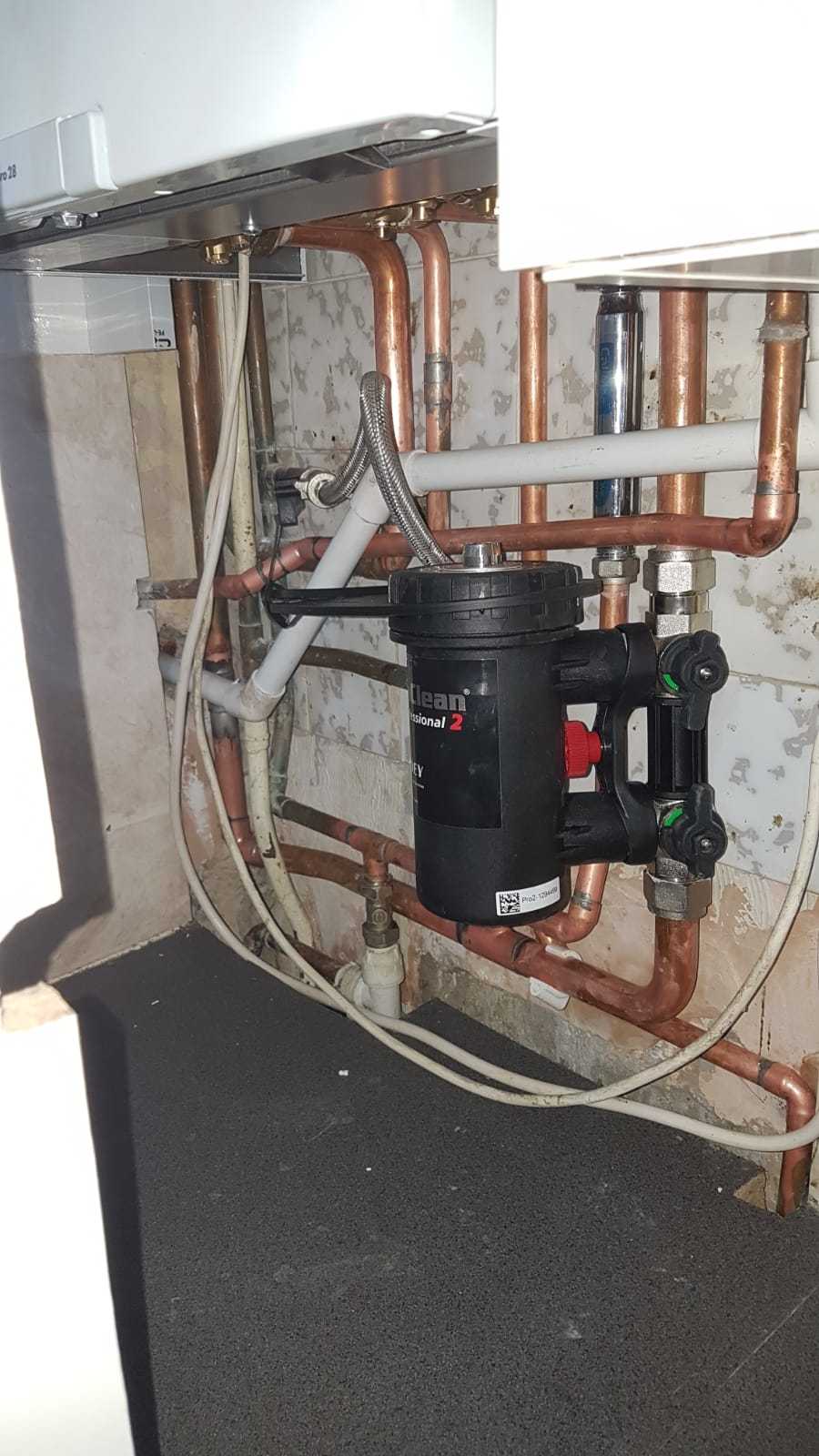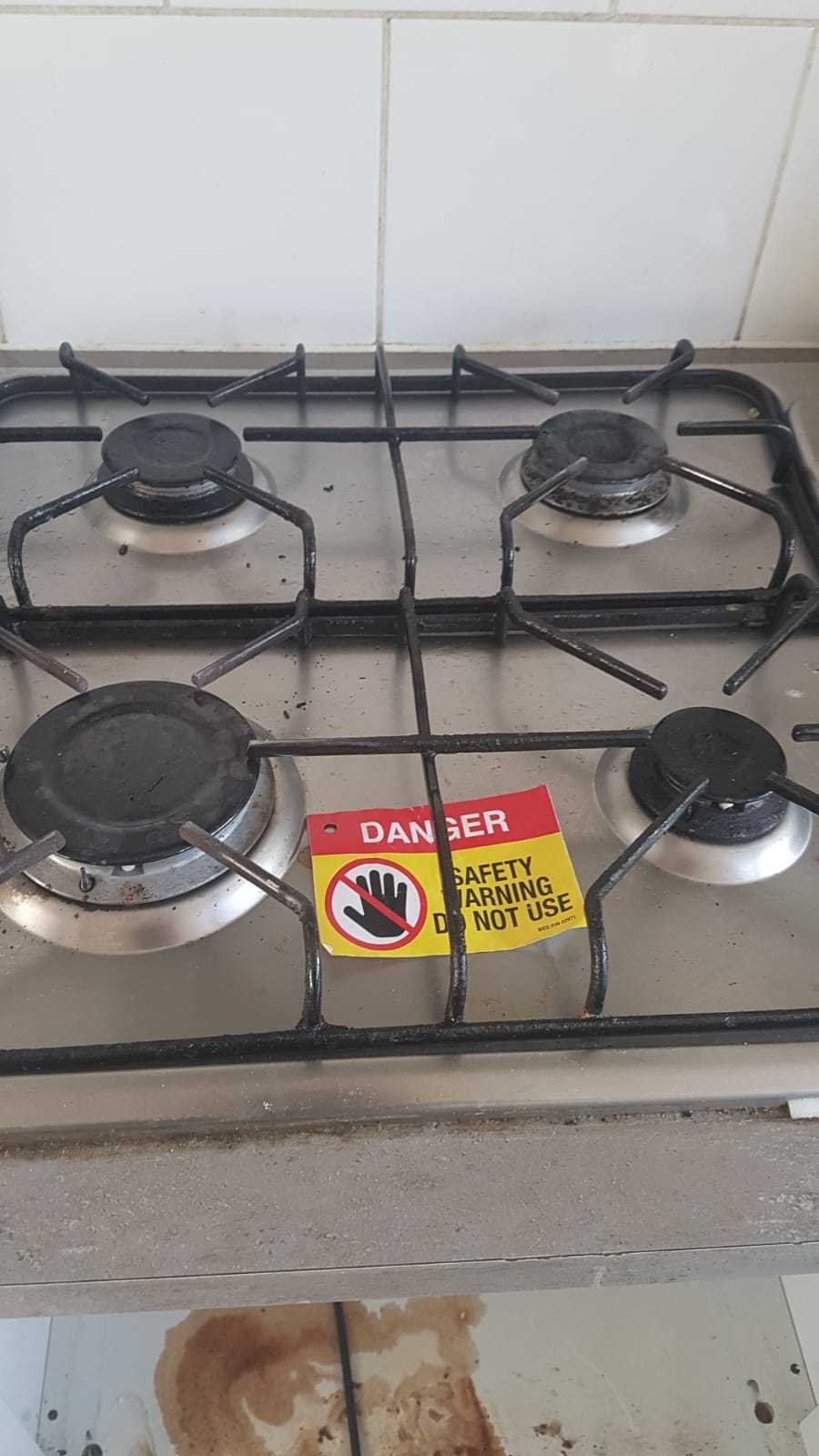
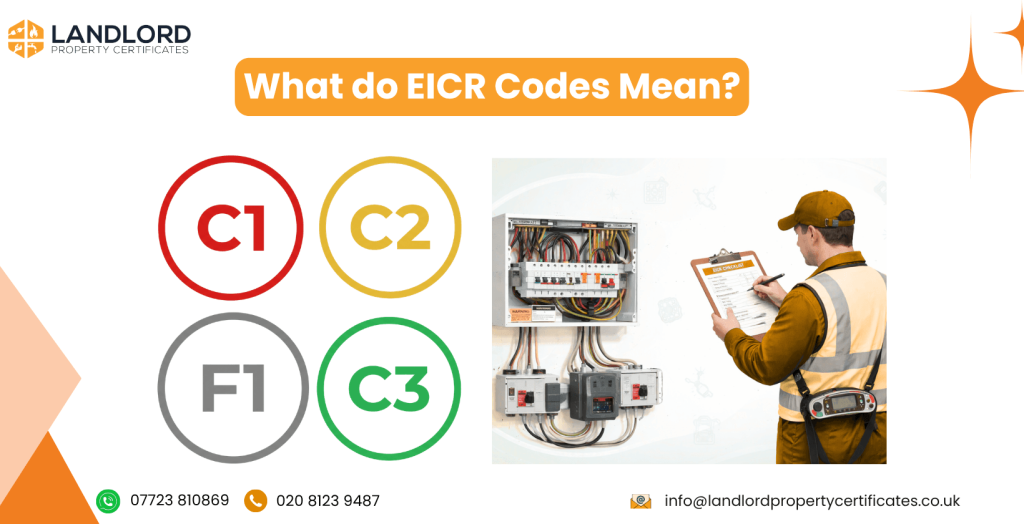
EICR codes are standardized classification labels in an Electrical Installation Condition Report to convey the level of safety of electrical installations and necessary actions. EICR codes determine electrical risk hazards, risk severity, and advise the electricians or landlords on the need to do remedial work or not.
These EICR codes aid in legal compliance, the safety of tenants, and knowledge of repairs or property dealings. EICR Codes are issued after an electrical inspection of fixed electrical installations, circuits, and equipment by a qualified electrician during a formal EICR assessment.
The 4 Types of codes in the EICR Certificate are listed below.
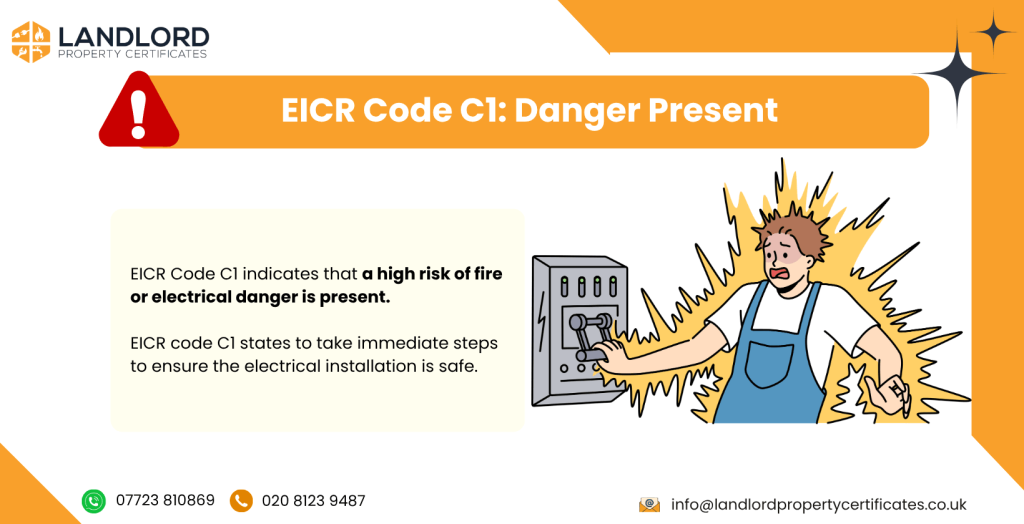
- EICR Code C1: EICR Code C1 indicates that a high risk of fire or electrical danger is present. EICR code C1 states that immediate steps to ensure the electrical installation is safe.
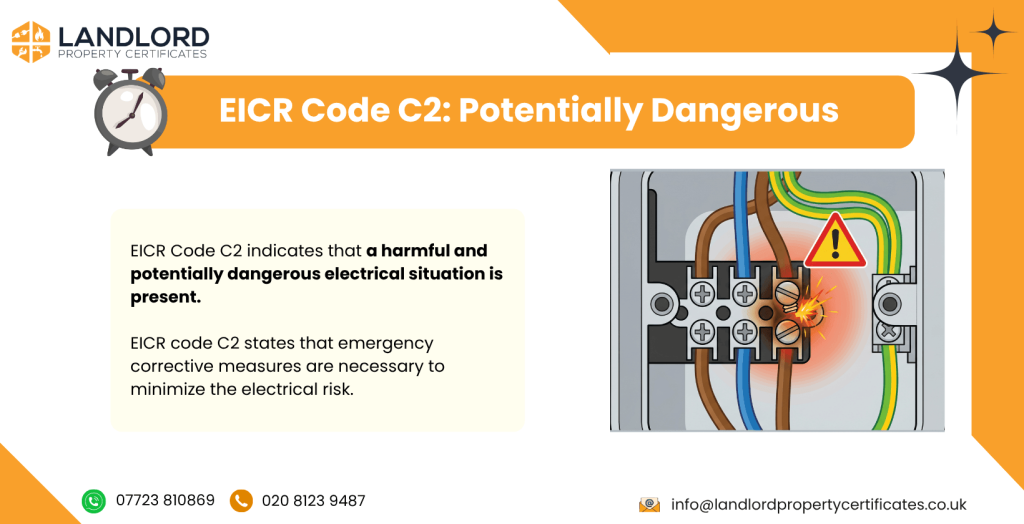
- EICR Code C2: EICR Code C2 indicates that a harmful and potentially dangerous electrical situation is present. EICR Code C2 states that emergency corrective measures are necessary to minimize the electrical risk.
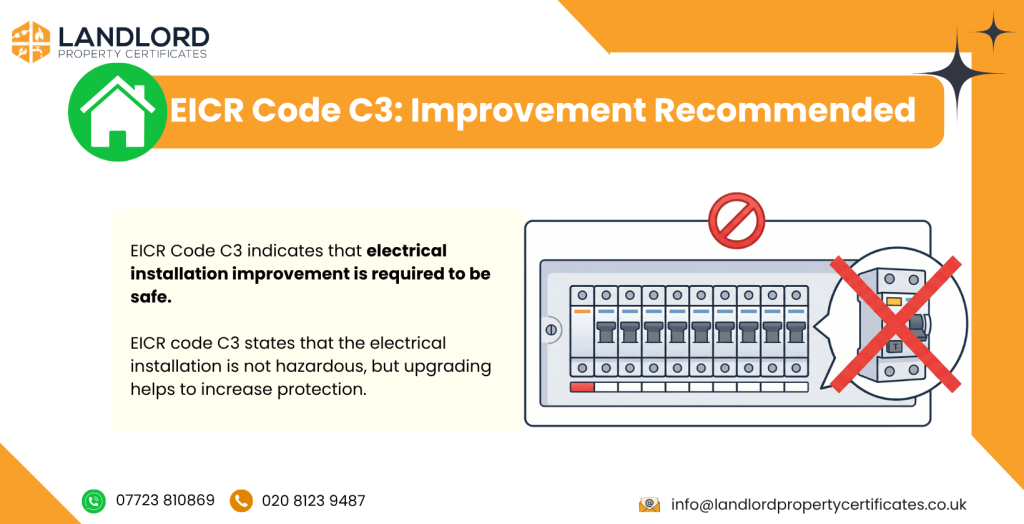
- EICR Code C3: EICR Code C3 indicates that electrical installation improvement is required to be safe. EICR Code C3 states that the electrical installation is not hazardous, but upgrading helps to increase protection.
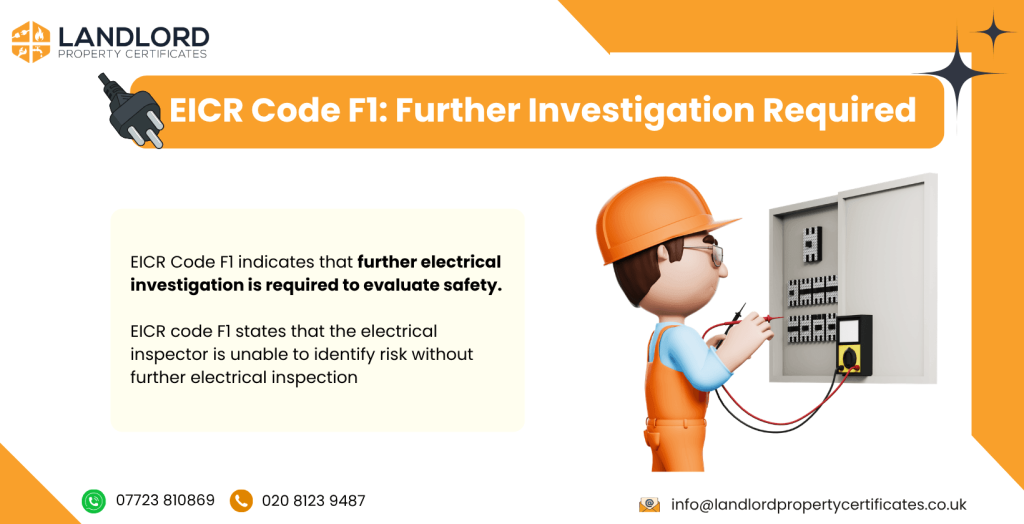
- EICR Code F1: EICR Code F1 indicates that further electrical investigation is required to evaluate safety. EICR code F1 states that the electrical inspector is unable to identify risk without further detailed electrical inspection, according to Clark, P. & Morgan, E, “Advances in Electrical Installation Condition Reporting and Safety Engineering,” published in 2022.
EICR Code C1: Danger Present
EICR Code C1 states that an immediate safety danger is present in an electrical installation. EICR code C1 represents the hazardous electrical fault that results in electric shock, injury, or fire at any time. This implies that the operating conditions are unsafe, and immediate action is necessary to eliminate the electrical threat.
The examples of EICR code C1 are listed below.
- Exposed and Live conductors: Exposed copper wires (broken insulation or damaged trunking) are listed in EICR code C1. Handling exposed copper wires in damaged cables, open junction boxes, or vandalized installations causes an electrical shock of 230 V.
- Damaged socket and inner wiring: Damaged socket and inner wiring are listed in EICR code C1. The broken faceplate, missing inner terminals, and exposed screws cause an electrical shock on touching.
- Burnt or melted insulation: Burnt or melted insulation is listed in EICR code C1. Burnt or melted insulation causes wiring to appear black, melt, or smell of a plastic odor and overheating.
- Absence of the metal equipment in grounded earth: Metal appliances or cooker bodies that are not earth-grounded are listed in EICR code C1. The metal casing in live condition cause shoked anyone on touching it.
- Sparking due to loose connections: Sparking due to loose connections is listed in EICR code C1. Terminals within switches or distribution boards that are not tight lead to arcing (observable sparks), heat generation, and ignition of adjacent materials.
EICR code C1 represents a major electrical fault that has to be disregarded at all costs. Best practices in EICR code C1 involve immediate isolation of the affected circuit, proper earthing and protection, and regular inspections. To avoid the EICR code C1, follow 3 steps: 1. Identify the electrical fault, 2. Repair the faulty systems, 3. Consider urgent repairs as a priority.
The best measures in EICR code C1 involve immediately rendering the installation safe (turning off power), repairing or replacing damaged parts by a competent electrician, and retesting the system to ensure it is safe. EICR code C1 causes the EICR report to be unsatisfactory and the building to be unsafe.
EICR Code C2: Potentially Dangerous
EICR Code C2 states that a Potential Electrical Danger is present that becomes hazardous unless corrected. The EICR C2 represents the absence of an immediate threat, but the condition might result in injury or fire in some situations. This implies that electrical repairs should be done immediately to avoid electrical hazards.
The examples of EICR code C2 are listed below.
- No residual current protection on circuits: No residual current protection on circuits, particularly in kitchens, bathrooms, or outdoors, as listed in EICR code C2. No current protection causes the current to trip fast enough and exposes the person to severe shock.
- Broken cable insulation: Broken cable insulation (by rodents or age) and exposing live wires are listed in EICR code C2. Exposing cable wires causes heavy shock on touch and needs to be repaired.
- Overloaded circuits: Overloaded circuits with too many appliances hooked to a single circuit (heaters, AC units, kettles) are listed in EICR code C2. The overloaded circuits with the appliances operating above their designed capacity cause overheating in the long run.
- Poor earthing system: A poor earthing system and faults in the pipes (gas/water system) or bad metal components are listed in EICR code C2. A voltage difference exists between faulty components, causing a higher risk of shock.
- Improper fuse rating: Improper fuse rating is listed in EICR code C2. A fuse of a higher rating than necessary (32A, when 13A is needed) does not blow when overloaded, and the cables do not overheat.
EICR code C2 represents a major electrical issue that has not been overlooked. The best practices involved in EICR code C2 are the renewal of protective equipment, appropriate wiring conditions, and prompt actions on faults. To avoid EICR code C2, follow 3 steps: 1. Repair the faulty system, 2. Consider electrical hazard warning signs, and 3. Use safe electrical devices.
The best measures in EICR code C2 include making repairs promptly, changing or updating defective components, and making the system safe. EICR code C2 also leads to an unsatisfactory report and, when left unattended, turns out to be a dangerous situation just like C1.
EICR Code C3: Improvement Recommended
EICR Code C3 recommends that the electrical installation is safe now, but not up to modern standards. EICR code C3 represents the absence of an immediate or potential electrical danger, but improvement increases safety, efficiency, or compliance.
- Old consumer unit (fuse box): An old consumer unit with rewirable fuses instead of contemporary circuit breakers and RCDs is listed in EICR code C3. Old consumer units are still working, but slower in reaction to faults, and less sophisticated in their protection measures.
- No circuit labeling: Lack of electrical circuit labeling in the distribution board does not identify any specific breaker that controls any particular area, as listed in EICR code C3. Lack of circuit labeling makes maintenance slower and more prone to the error of accidentally isolating an area.
- No RCD in low-risk zones: No RCD in low-risk zones; electrical circuits like lighting that include RCD protection are listed in EICR code C3. This is not compulsory in older systems, but increases safety against indirect contact.
- Obsolete wiring colours: The old electrical wiring system has red or black colours, but the modern wiring system has brown or blue colours, as listed in EICR code C3. This colour difference is not hazardous in itself, but it confuses the electrician.
EICR code C3 represents a minor electrical problem that is overlooked in the short-term, but reforms are encouraged. The best practices involved in EICR code C3 are gradual system upgrades, better labeling, addition of modern protective devices. To avoid EICR Code C3, follow 3 steps: 1. Upgrade the system, 2. Consider necessary electrical improvements. 3. Avoid delaying minor electrical faults for the long term.
The best measures in EICR code C3 include planning and executing upgrades where possible to increase safety and upgrade the installation to the latest electrical safety standards. EICR code C3 does not render the report unsatisfactory but indicates the possibilities to increase general electrical safety and reliability.
EICR Code F1: Further Investigation Required
The EICR Code F1 indicates that further Investigation in the electrical installation is required. EICR code F1 states that the electrician was unable to form a complete opinion about the safety of a portion of the electrical installation, and further investigation is required.
- Inaccessible wiring: Cables that are behind walls, ceilings, or hard-mounted equipment that are not inspected visually or physically are listed in EICR code F1. These electrical fault conditions cause damage, overheating, or aging in the future.
- Abnormal or irregular test: The inability to inspect equipment (locked rooms, closed panels, blocked distribution boards) is listed in EICR code F1. The untested electrical causes electrical hazards in the future.
- Wrong measurements: The insulation resistance or loop impedance that are not within normal ranges are listed in EICR code F1. These conditions cause underlying electrical faults, like part cable damage or moisture intrusion.
- Symptoms of overheating without obvious explanation: The observation of heat spots in an electrical installation area, but not finding possible reasons, is listed in EICR code F1. Further investigation is necessary to find what exactly caused the heating in the electrical installation.
EICR code F1 indicates an uncertain, potentially serious electrical problem that cannot be overlooked. The best practices in EICR code F1 involve having complete access to inspections, thorough testing, and follow-up. To avoid EICR code F1, follow 3 steps: 1. Consider liable evidence for building safety, 2. Perform further investigation, 3. Choose a qualified electrician for an electrical inspection.
The best measures for EICR code F1 include scheduling a follow-up check, performing a complex diagnostic, and addressing any problems that were revealed. EICR code F1 issues must be cleared before it is confirmed that the installation is safe, as hiding serious risks later can be re-categorised as C1 or C2, according to Kumar, V., and Singh, P. “Electrical Fault Classification and Safety Prioritization in Residential Wiring,” published in 2021.
How do EICR codes make the EICR certificate satisfactory or unsatisfactory?
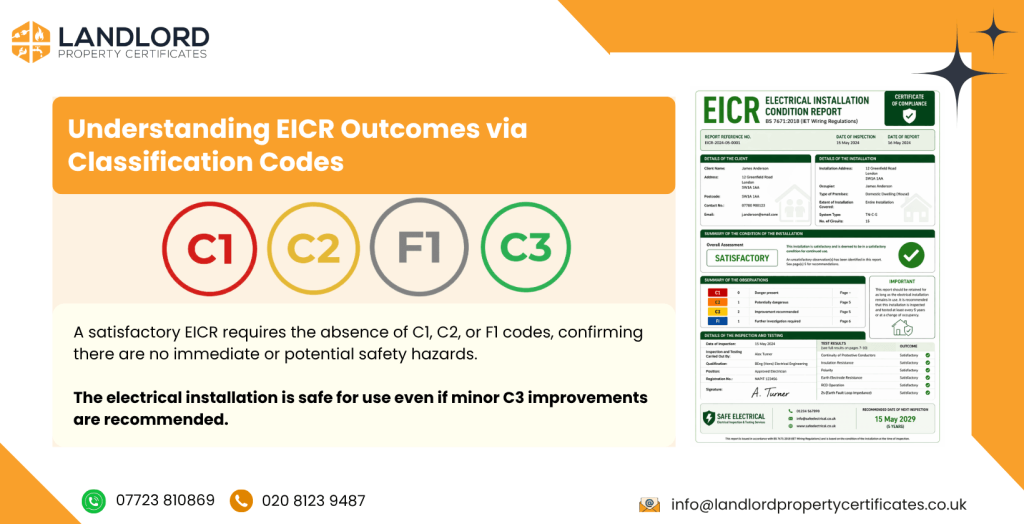
An EICR is considered satisfactory when it contains no observations of C1 (danger present), C2 (potentially dangerous), or F1 (further investigation required). The Satisfactory EICR only has a C3 code (improvement recommended). This means that the electrical installation is safe to use in its present state, despite any proposed small changes.
As the EICR code is satisfactory, first, save the satisfactory EICR document as evidence of compliance and safety. Second, send it to tenants or other relevant authorities in case of legal necessity. Third, schedule the next inspection within the recommended timeframe (5 years or according to the recommendations made by an electrician). Fourth, schedule any necessary electrical upgrades of any C3 observations to increase long-term safety, and finally, maintain regular electrical maintenance to avoid
An EICR is considered unsatisfactory when any code C1, C2, or F1 appears because these are signs of immediate danger or possible danger. An unsatisfactory EICR represents an incomplete electrical evaluation that needs further examination. This implies that the electrical installation cannot be regarded as safe until remedial measures have been implemented.
As the EICR code is unsatisfactory, first, in the case of a C1 code, it is necessary to immediately isolate or disconnect the affected circuit to eliminate the risk. Second, it is necessary to organize timely electrical repairs in the case of a C1 or C2 problem by a qualified electrician to eliminate the risk. Third, it is necessary to conduct additional electrical investigation in case of an F1 observation to identify any hidden faults. Fourth, all hidden electrical problems have to be resolved.
What is the importance of knowing EICR codes?
The importance of knowing EICR codes is listed below.
- Ensures Tenant Safety: The information about EICR codes assists landlords in identifying possible hazards that affect the occupants. It enables faults that arise in the form of exposed wiring or faulty circuits to be detected early. This minimizes the chances of electric shocks and fire. Safe electrical systems safeguard property and tenants.
- Legal Compliance: The knowledge of EICR codes helps landlords to comply with electrical safety standards such as BS 7671 (IET Wiring Regulations). EICR codes prevent legal fines (£30,000 ) within 28 days of law violation and notices of enforcement. Compliance is essential for renting out residential properties. Landlords are also safeguarded in cases of legal disputes through proper documentation.
- Guides Timely Repairs: EICR codes guide the landlord about which electrical issues have to be addressed early and which can be scheduled later. These guidelines ensure ongoing safety in the premises promptly.
- Prevents Property Damage: Electrical Fires are one of the most serious forms of damage caused by electrical faults. Being aware of EICR codes, landlords are able to take action before electrical defects become critical. Proactive electrical intervention saves repair and reconstruction expenses and the long-term state of the building.
- Supports Property Transactions: EICR reports give transparency of electrical installation when purchasing or selling property. The customers are assured that electrical systems are safe. EICR reports eliminate time loss by avoiding negotiation or legal scrutiny. An accurate EICR report builds trust among parties BY transparent and verified property safety.
- Reduces Long-Term Costs: EICR codes spot problems early to avoid costly repairs in the future. Minor failures are corrected before they assume major proportions. This minimizes the cost of emergency repairs.
- Improves Property Value: A property with a satisfactory EICR code certificate and a maintained electrical system increases the worth of a property. Newer installations are up to contemporary safety standards. Buyers and tenants like to have properties with safe infrastructure. EICR report has a favourable impact on market value, such as high demand for the property due to transparent safety inspection.
A qualified electrician (Level 3 NVQ Diploma in Electrotechnical Services) carries out an EICR. The electrician has to be trained in inspection and testing operations. Professional competence is demonstrated by certification organisations such as NICEIC or NAPIT. Hiring a qualified professional guarantees a quality and precise EICR certificate in London.
FAQs
What is the EICR code for no AFDD protection in an HMO property?
The EICR code for the absence of AFDD protection in an HMO property is C3. EICR code C3 is used in the EICR reports of more hazardous buildings, but not in common law.
What is the EICR code for no RCD protection in an electrical installation?
The EICR code for no RCD protection in an electrical installation is C2. EICR code C2 exposes the electric shock hazard and does not comply with modern safety requirements.
What is the EICR code for no RCD protection in a bathroom?
The EICR code for no RCD protection in a bathroom is C2. Bathrooms are considered high-risk areas, and a lack of RCD protection poses a serious hazard.
What is the EICR code for no RCD protection on a lighting circuit?
The EICR code for no RCD protection on a lighting circuit is C3. EICR code C3 states that a precaution is not always necessary, depending on the age and conditions of installation.
What is the EICR code for no smoke alarms installed in a property?
The EICR code for no smoke alarms installed in a property is F1. Smoke detectors do not form a part of the electrical installation evaluation. An additional investigation or independent compliance inspection is needed to avoid any electrical fire hazard.
What is the EICR code for no surge protection device (SPD) installed?
The EICR code for no surge protection device (SPD) installed is C3. EICR code C3 states that there is no danger, but the installation of protective devices reduces the electric danger.
What is the EICR code for the use of a Type AC RCD?
The EICR code for the use of a Type AC RCD is C3. Type AC RCDs are obsolete on modern loads and are still used. They should be replaced to avoid electrical danger.
What is the EICR code for lack of circuit discrimination at the consumer unit?
The EICR code for lack of circuit discrimination at the consumer unit is C3. Poor discrimination does not pose an immediate risk, but does compromise selectivity.
What is the EICR code for a circuit overload condition?
The EICR code for a circuit overload condition is C2. Overloading leads to overheating and to the risk of a fire, so it is a potentially hazardous condition.
What is the EICR code for a Type C RCBO used in a domestic installation?
The EICR code for a Type C RCBO used in a domestic installation is C3. EICR code C3 is not necessarily suitable for domestic properties, but it is dangerous when not properly rated.
What is the EICR code for no CPC on a lighting circuit?
The EICR code for no CPC on a lighting circuit C2. Lack of a circuit protective conductor eliminates fault protection and exposes the circuit to a risk of electric shock in the event of insulation failure.
What is the EICR code for missing supplementary bonding?
The EICR code for missing supplementary bonding is C2. Bonding is omitted to permit potentially dangerous potential differences between conductive parts to exist in fault conditions.
What is the EICR code for no supplementary bonding on immersion heater pipework?
The EICR code for no supplementary bonding on immersion heater pipework is C2. Immersion heater pipework becomes live during a fault, and a lack of bonding poses a hazard of shock to people.
What is the EICR code for SWA cable armour not earthed?
The EICR code for SWA cable armour not earthed is C2. The armour lives in fault situations, and unless earthing is provided, it does not carry fault current safely.
What is the EICR code for water and gas bonded using the same conductor?
The EICR code for water and gas bonded using the same conductor is C2. Shared bonding is too weak to provide effective fault protection and equipotential bonding.
What is the EICR code for unearthed cables buried in walls?
The EICR code for unearthed cables buried in walls is C2. Absence of earthing and hidden installation exposes people to more shock hazard and is not in compliance with safe wiring practices.
What is the EICR code for VIR cables in an electrical installation?
The EICR code for VIR cables in an electrical installation is C2. Cables made of vulcanised rubber insulated (VIR) are now obsolete, and their insulation has an adverse effect on safety.
What is the EICR code for cables exposed outside a junction box?
The EICR code for cables exposed outside a junction box is C2. Exposed conductors expose accidental contact and are not sufficiently protective in a mechanical sense.
What is the EICR code for cables not properly fixed or supported?
The EICR code for cables not properly fixed or supported is C3. Cables are not fixed or supported, and are not dangerous, but they reduce the quality of installation and increase the risk of accidents.
What is the EICR code for 16mm meter tails in an installation?
The EICR code for 16mm meter tails in an installation is C3. 16mm tails are suitable, but undersized depending on the load requirement and design of the installation.
What is the EICR code for exposed cables in an entrance hall?
The EICR code for exposed cables in an entrance hall is C2. Direct exposure of occupants or visitors to direct electric shock through accessible live conductors.
What is the EICR code for a charred electrical cable?
The EICR code for a charred electrical cable is C1. An indication of extreme overheating is burned or charred insulation, which is a sign of imminent fire or electric shock.
What is the EICR code for exposed basic insulation on conductors?
The EICR code for exposed basic insulation on conductors is C1. Live parts are exposed by visible conductor insulation failure, posing an immediate shock hazard.
What is the EICR code for meter tails exceeding 3 metres in length?
The EICR code for meter tails exceeding 3 metres in length is C3. Tails longer than 3 metres: present a risk of voltage drop and fault exposure, but are not immediately dangerous.
What is the EICR code for missing grommets in cable entries?
The EICR code for missing grommets in cable entries is C3. The absence of grommets results in cable abrasion over time, but is not an immediate safety hazard.
What is the EICR code for twin and earth cable used on an external building?
The EICR code for twin and earth cable used on an external building is C2. This is not a type of cable that is exposed outdoors and deteriorates, and it poses a higher risk of shocks.
What is the EICR code for thermal damage affecting cables?
The EICR code for thermal damage affecting cables is C2. Damaged insulation due to heat compromises protection and results in electrical faults or fire hazards.
What is the EICR code for low insulation resistance readings?
The EICR code for low insulation resistance readings is C2. Low insulation resistance values suggest leakage current and possible insulation breakdown.
What is the EICR code for too many spurs on a ring final circuit?
The EICR code for too many spurs on a ring final circuit is C3. Spur multiplicity exceeds design criteria, but is not hazardous in itself.
What is the EICR code for an undersized cable in an installation?
The EICR code for an undersized cable in an installation is C2. Too small a cable size leads to overheating under load, which is a fire hazard.
What is the EICR code for non-fire-rated downlights in a ceiling?
The EICR code for non-fire-rated downlights in a ceiling is C2. Inaccurate fire rating in ceiling voids undermines fire containment, putting fire at greater risk.
What is the EICR code for a degraded plastic consumer unit?
The EICR code for a degraded plastic consumer unit is C2. A poor consumer unit body decreases insulation integrity and poses the risk of internal failure or fire.
What is the EICR code under BS 7671 for an incorrect breaker type?
The EICR code under BS 7671 for an incorrect breaker type is C2. Inappropriate protective devices (Breaker) lead to failure to disconnect safely during a fault or overload.
What is the EICR code for a cracked pattress box?
The EICR code for a cracked pattress box is C3. Cracked pattress box damage compromises mechanical protection but does not pose a direct electrical hazard.
What is the EICR code for a 240V fan installed in Zone 1?
The EICR code for a 240V fan installed in Zone 1 is C2. Inappropriate equipment in a bathroom safety area Zone 1) increases users’ risk of electric shock.
What is the EICR code for a distribution board installed under stairs?
The EICR code for a distribution board installed under stairs is C3. This is not the most convenient location to access and have ventilation, but it is not necessarily hazardous when covered.
What is the EICR code for a faulty immersion thermostat?
The EICR code for a faulty immersion thermostat is C2. Temperature control failure leads to overheating of water and a possible fire or electrical danger.
What is the EICR code for failure to meet IP4X requirements?
The EICR code for failure to meet IP4X requirements is C3. Reduced ingress protection (IP4X) impairs safety margins, but is not immediately dangerous.
What is the EICR code for no fan isolator in a bathroom?
The EICR code for a no-fan isolator in a bathroom is C3. The absence of an isolation switch diminishes the safety of maintenance, but does not present an immediate threat.
What is the EICR code for no shower isolator installed?
The EICR code for no shower isolator installed is C2. Lack of isolation does not allow safe maintenance and puts the servicing at risk.
What is the EICR code for a non-resettable immersion heater thermostat?
The EICR code for a non-resettable immersion heater thermostat is C3. The absence of the reset feature lowers the level of control flexibility but does not directly pose a danger.
What is the EICR code for a faulty or missing shower pull cord switch?
The EICR code for a faulty or missing shower pull cord switch is C2. Local isolation failure in a wet area increases the risk of shocks in case of an emergency or maintenance.
What is the EICR code for poorly distributed circuits on a split-load board?
The EICR code for poorly distributed circuits on a split-load board is C3. Unbalanced circuit allocation has a performance and safety efficiency impact, but is not a direct safety hazard.
What is the EICR code for an electric meter exposed to weather conditions?
The EICR code for an electric meter exposed to weather conditions is C2. Exposure to moisture over time causes exposure to insulation failure and electric shock.
What is the EICR code for a lamp holder installed in a bathroom?
The EICR code for a lamp holder installed in a bathroom is C2. Improper installation in a humid environment causes a great danger of electric shocks.
What is the EICR code for an old-style pendant light fitting?
The EICR code for an old-style pendant light fitting is C3. Old-style fittings are not up to modern standards, but are maintained in good condition.