
Landlord responsibilities are the legal requirements that apply to landlords who rent out their property to tenants. These responsibilities are set out in laws such as the Landlord and Tenant Act 1985, the Housing Act 2004, the Homes (Fitness for Human Habitation) Act 2018, the Gas Safety (Installation and Use) Regulations 1998, and the Electrical Safety Standards Regulations 2020. Local authorities enforce landlord responsibilities, the Health and Safety Executive (HSE), courts, and housing regulators. These responsibilities apply to both domestic and commercial properties, depending on the circumstances.
Landlords must ensure that a unit is safe, habitable, and in compliance with the law before renting it out. Landlord responsibilities include keeping the building in repair and ensuring the exterior is in good condition, maintaining the heating, water, gas, electricity, and sanitation systems, and having annual gas safety checks. These responsibilities also include ensuring electrical checks are carried out, fitting smoke and carbon monoxide detectors, safeguarding tenants’ deposits through an approved protection scheme, and providing tenants with legally required documents. Landlords are also obliged to respect tenants’ rights to quiet enjoyment, to safeguard personal data, to make requisite repairs within a reasonable time, and to abide by the proper legal steps for increasing the rent and evicting.
As a landlord renting out a house, you should ensure the house is safe to rent, that the required certificates and licenses are obtained (if applicable), and that a tenancy agreement is drafted. You also have to ensure that the deposit is secured, that the required information is provided to tenants, and that compliance is maintained throughout the tenancy, according to Rugg, “Deposit Assistance Schemes for Private Rental in the United Kingdom” (2012).
General Responsibilities
General responsibilities are the basic legal obligations of landlords who rent out their property to tenants. General responsibilities apply to residential landlords (private landlords, housing associations, or local authorities), HMO’s, licensed properties, and social landlords.
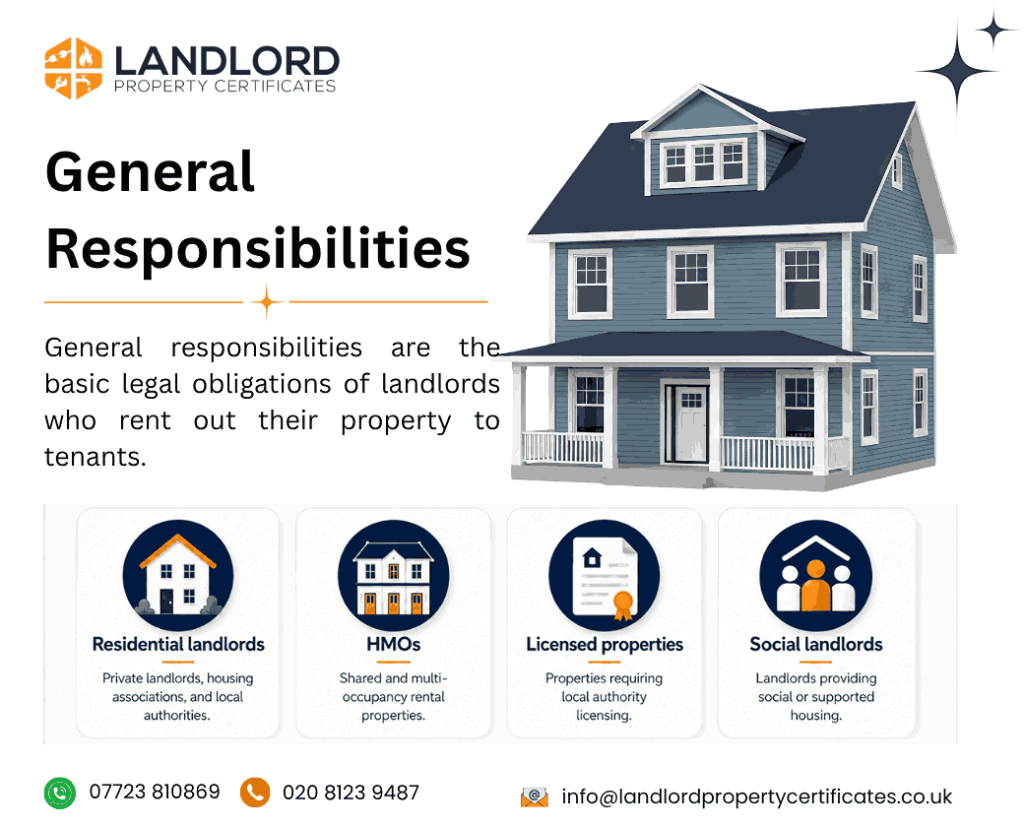
General responsibilities are governed by the Landlord and Tenant Act 1985, the Housing Act 2004, the Homes (Fitness for Human Habitation) Act 2018, the Defective Premises Act 1972, the Equality Act 2010, and the Protection from Eviction Act 1977. These laws ensure that landlords provide safe living conditions, basic services, respect tenants’ rights, and manage tenancies legally.
General responsibilities of a landlord while renting a house are listed below.
- Habitable Property and Tenant Safety: At the beginning of a tenancy, landlords are required to provide a house that is fit for human habitation and to maintain it in that condition throughout the tenancy. Health, safety, and welfare issues that pose serious problems should be addressed immediately. Landlords are required to take reasonable measures to safeguard tenants against foreseeable risks associated with the premises, such as structural issues and unsafe installations.
- Quiet Enjoyment: Tenants have a legal right to live and enjoy without undue interference. Landlords are not allowed to enter the premises without permission, except in emergencies. The landlord is responsible for maintaining communal areas such as hallways, stairs, entranceways, gardens, parking areas, and shared facilities.
- Property Inspections and Access Arrangements: A landlord is entitled to enter the property to assess maintenance issues and check for any violations of the tenancy conditions. The landlord has to provide reasonable notice to tenants before entering the property. Landlords should arrange access to the property for inspections, repairs, safety, and maintenance in a manner that respects tenants’ rights and privacy.
- Tenant Information and Deposit Protection: Landlords must provide tenants with the required documents and information, such as certificates, Tenancy information, Licensing information (if applicable), and documents required under the Housing Law. Protect deposits within an approved scheme, and provide prescribed information at the proper times if there is tenancy deposit legislation. Landlords are responsible for managing the tenancy in compliance with the tenancy agreement, including addressing any breaches, occupancy issues, and compliance issues.
- Pets and Animals: Landlords must set reasonable rules regarding pets, in accordance with housing legislation and the Renters’ Rights Act, 1 May 2026. This law answers the question, “Can a landlord refuse pets?” Landlords have no right to deny the keeping of pets without harm and a valid reason.
- Anti-Social Behavior: Landlords should take action when tenants’ behavior is causing a serious nuisance, harassment, or disturbance to neighbors. These activities are illegal and cannot be ignored.
- Equality and Non-Discrimination: Landlords are not allowed to discriminate against applicants or tenants on the grounds covered by the Equality Act 2010 and should make reasonable adjustments where legally required.
- Record Keeping and Licensing Compliance: Landlords should keep records of inspections, repairs, safety checks, notices, certificates, tenancy agreements, and communications to demonstrate legal compliance. Landlords should adhere to license conditions and ensure the property is kept up to the standards set by the local authority if it requires an additional, selective, or compulsory license.
- Compliance with the Right to Rent Act 2016: Landlords in England are required to conduct Right to Rent checks before issuing a tenancy and keep evidence of these checks, if legally required. Landlords can seek rent, but in the event of rent rises, rent arrears, and possession proceedings, they have to go through the legal process.
- Lawful Evictions: The landlord cannot evict Tenants except by proper legal proceedings. Landlords are prohibited from harassing their tenants, interfering with services, intimidating tenants in their units, or unlawfully attempting to evict a tenant.
- Complaint Handling: The landlord’s response should be reasonable when tenants complain about repairs, safety issues, or the landlord’s management of the tenancy, to prevent issues from escalating.
Fire Safety Responsibilities
Fire safety responsibilities for landlords are the duties of the landlord to reduce fire risks, protect tenants from harm or death, and ensure that rented properties are equipped with fire detection and protection systems. Fire safety responsibilities apply to landlords of rental property, HMOs, blocks of flats, and licensed properties.
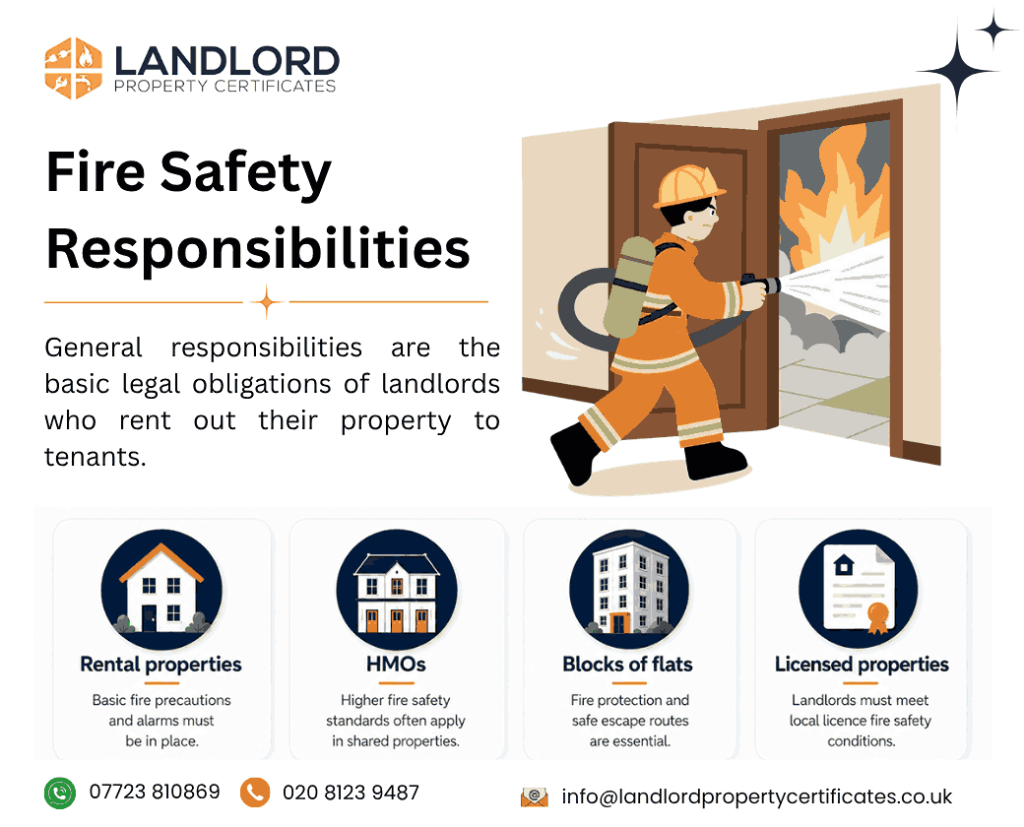
Fire safety responsibilities are governed by the Housing Act 2004, the Regulatory Reform (Fire Safety) Order 2005, the Smoke and Carbon Monoxide Alarm (England) Regulations 2015 (and the 2022 amendments), the Furniture and Furnishings (Fire Safety) Regulations 1988, and HMO management regulations. These laws mandate that landlords ensure fire protection, minimize fire hazards, and prevent tenants from being exposed to fire risks.
The fire safety responsibilities of a landlord when renting a house are listed below.
- Smoke Alarms: Landlords are required to install smoke alarms where legally required and to check their proper functioning at the start of every new tenancy. Alarms that have been tripped and reported by tenants should be fixed or replaced.
- Carbon Monoxide Detectors: CO detectors should be installed in rooms where combustion appliances are used. The landlord must ensure that alarms are functioning and replace any faulty ones as needed.
- Fire Alarm Systems and Fire Risk Assessments: The landlord is responsible for providing the fire alarm system in the workplace. Landlords must maintain, test, and repair the fire alarm system to ensure occupants are alerted in the event of a fire. The landlord of an HMO and communal areas has to undertake a fire risk assessment, identify fire hazards, and take suitable action.
- Escape Routes and Fire Doors: Landlords have to ensure that Hallways, stairs, corridors, and emergency exits are kept clear of obstructions and safe to use. Regulated or licensed condition fire doors should be maintained, including checking the hinges, seals, and self-closing mechanisms.
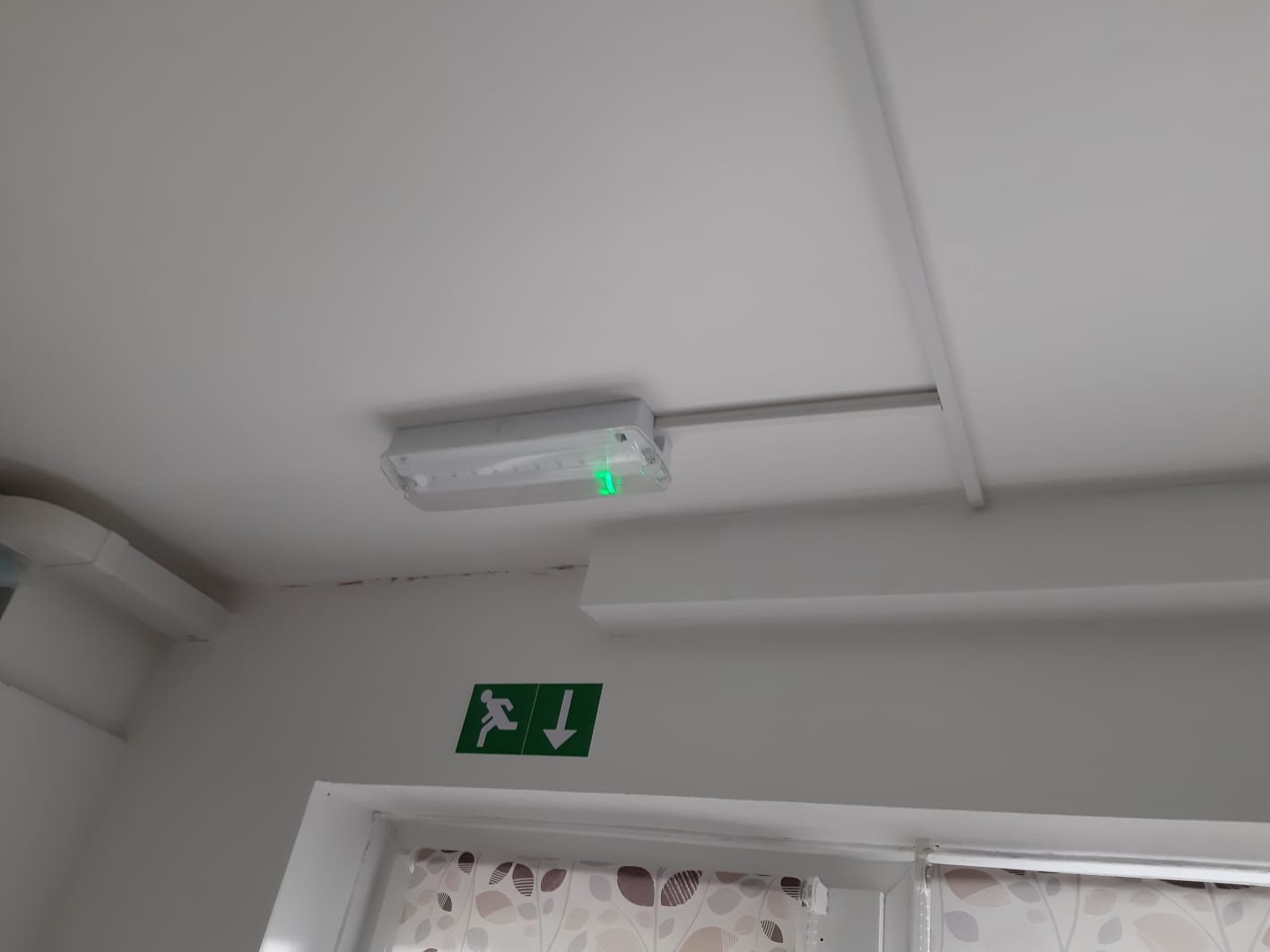
- Emergency Lighting and electrical appliance maintenance: Landlords must ensure emergency lighting is installed in larger HMOs and that the system is working and properly maintained. Electrical installations and equipment should be kept in good condition to decrease the risk of electrical fires.
- Fire-Safe Furnishings and Communal Area Safety: Landlord-furnished and upholstered furniture must meet fire-resistance requirements. Don’t let combustible waste, litter, and other fire hazards accumulate in common areas.
Energy Efficiency Standards
Energy efficiency standards are legal requirements for landlords to improve energy performance, reduce fuel bills, and enhance the environmental sustainability of rented properties. The energy-efficiency requirements apply to private residential landlords, and special rules and exemptions apply in specific circumstances.
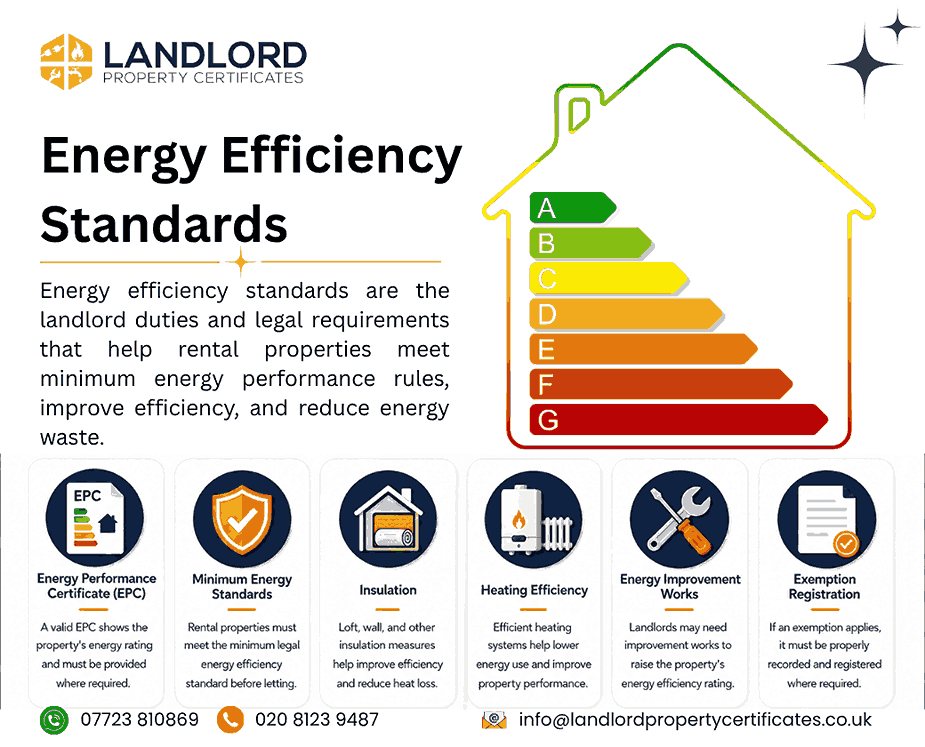
Energy efficiency standards are governed by the Energy Efficiency (Private Rented Property) (England and Wales) Regulations 2015 (aka Minimum Energy Efficiency Standards (MEES)), and the Energy Performance of Buildings Regulations (EPB Regulations). These laws mandate that landlords provide energy performance information and comply with minimum efficiency standards before renting out a property.
The energy efficiency standards for a landlord when renting a house are listed below.
- Energy Performance Certificate (EPC): Landlords are responsible for arranging an EPC inspection, obtaining a valid EPC, and making it available to prospective tenants.
- Minimum Energy Standards: Landlords must ensure that properties meet the minimum EPC rating required by law, unless a valid exemption applies.
- Insulation: Landlords have to install insulation to help maintain energy efficiency and prevent heat loss.
- Heating Efficiency: Landlords must ensure that heating systems are efficient and maintain a comfortable temperature for their tenants.
- Energy Improvement Works: Landlords must make qualifying energy-efficiency improvements to meet minimum standards. Landlords are required to provide appliances and household systems that use less energy.
- Exemption Registration: Landlords must register and maintain exemption records where a valid exemption exists.
Gas Safety Standards
Gas safety standards are legal requirements for landlords to ensure that tenants are safe from gas leaks, explosions, fires, and carbon monoxide poisoning. Gas safety standards are for landlords who supply gas appliances, gas pipework, flues, and gas installations in rented premises.
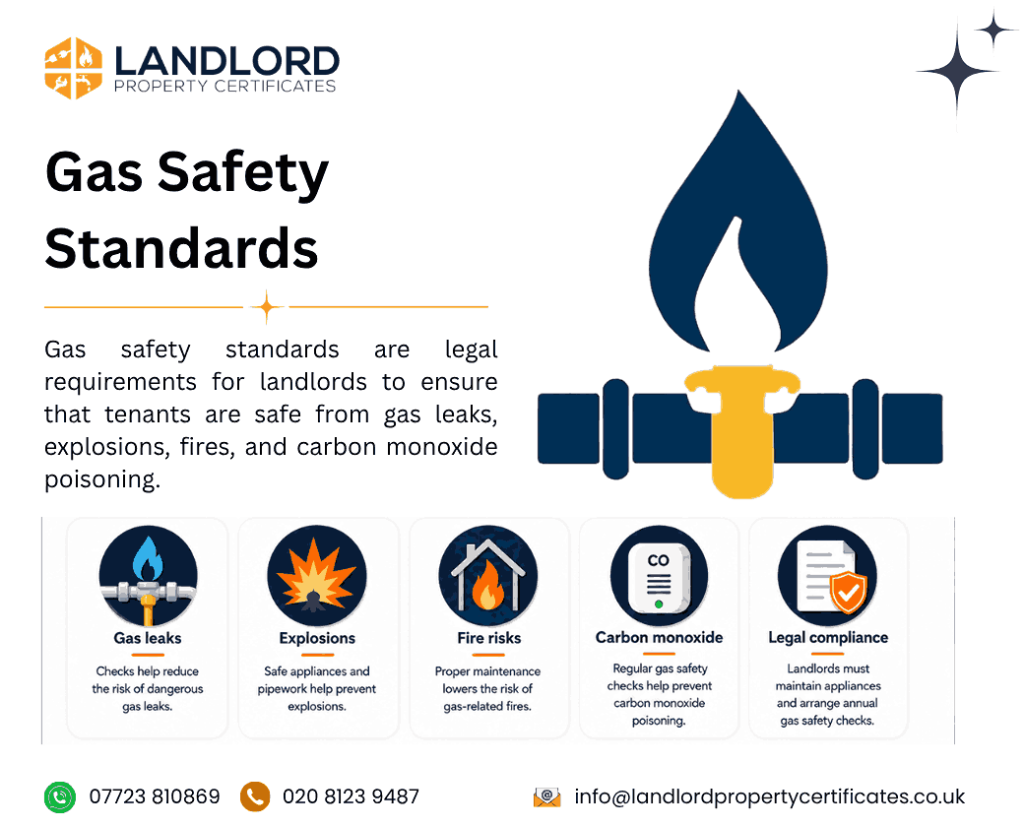
Gas safety standards are governed by the Gas Safety (Installation and Use) Regulations 1998. These regulations require landlords to keep gas installations in good condition, ensure they are inspected annually, and provide tenants with Gas Safety Records.
Gas safety standards for landlords when renting houses are listed below.
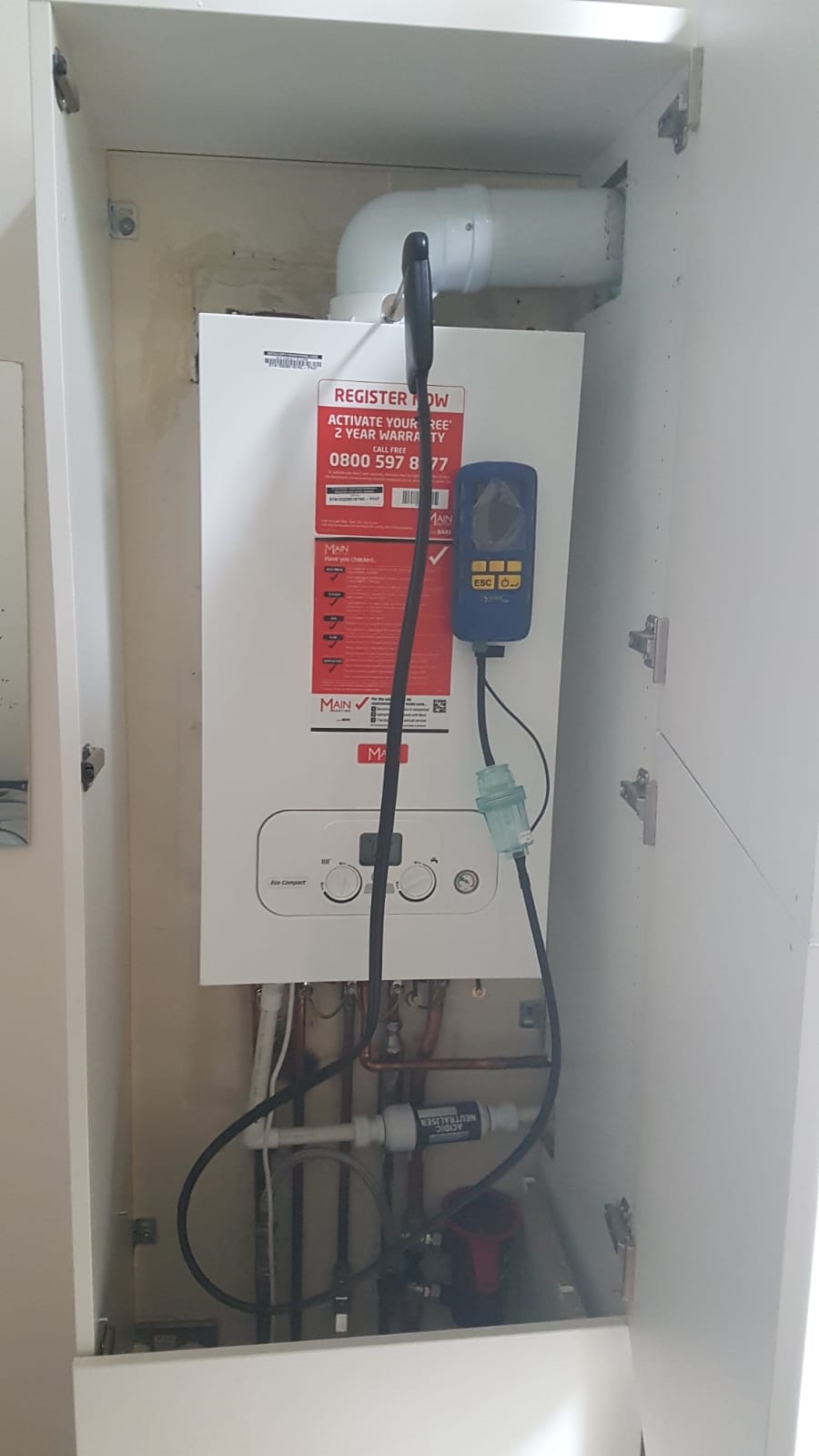
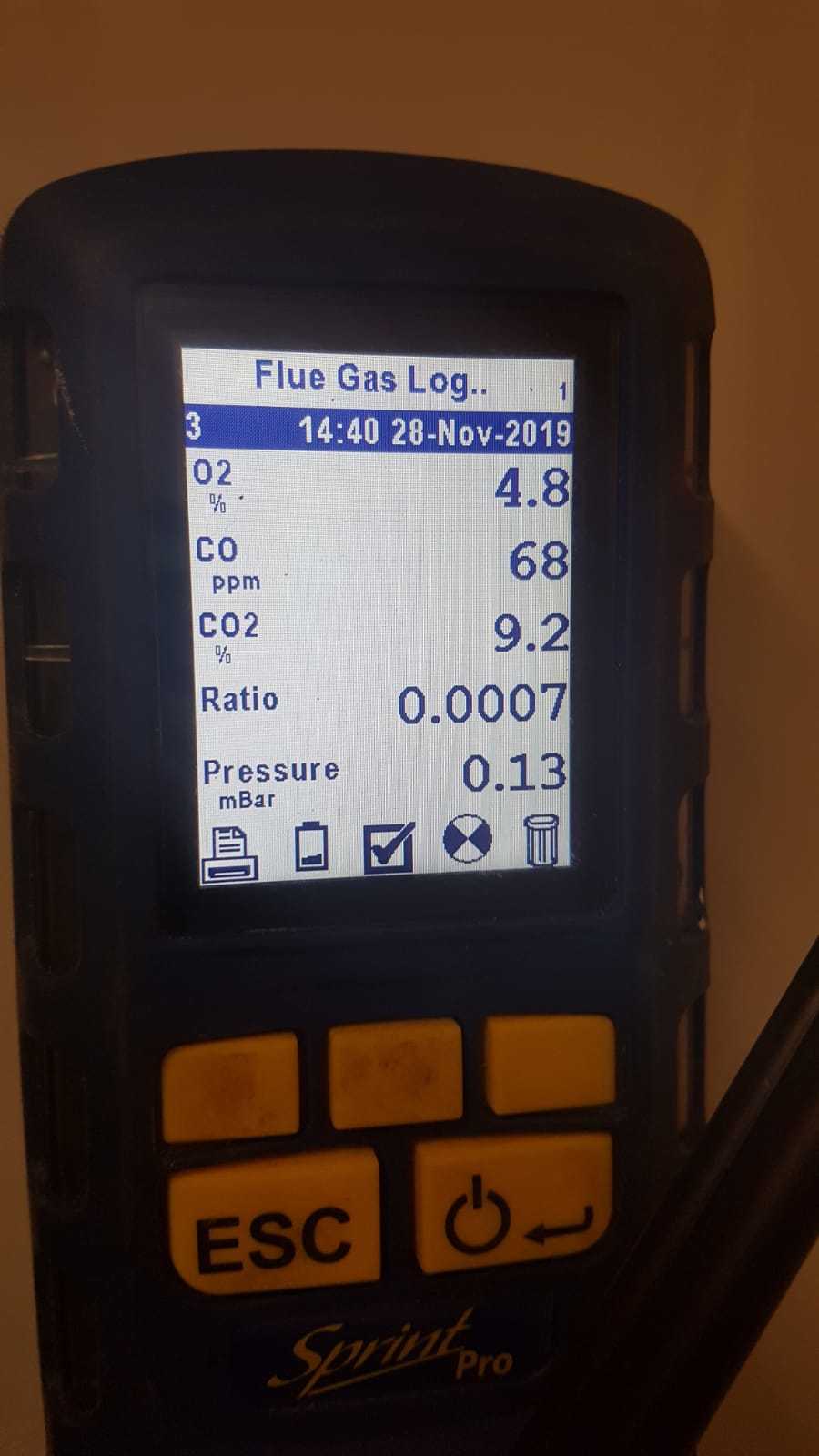
- Annual Gas Safety Checks and Gas Safety Certificates: Landlords are required to ensure that all gas appliances and flues are serviced annually by a Gas Safe registered engineer. Landlords are required to provide Gas Safety certificates to new tenants (at the time of letting) and existing tenants (within 28 days of inspection).
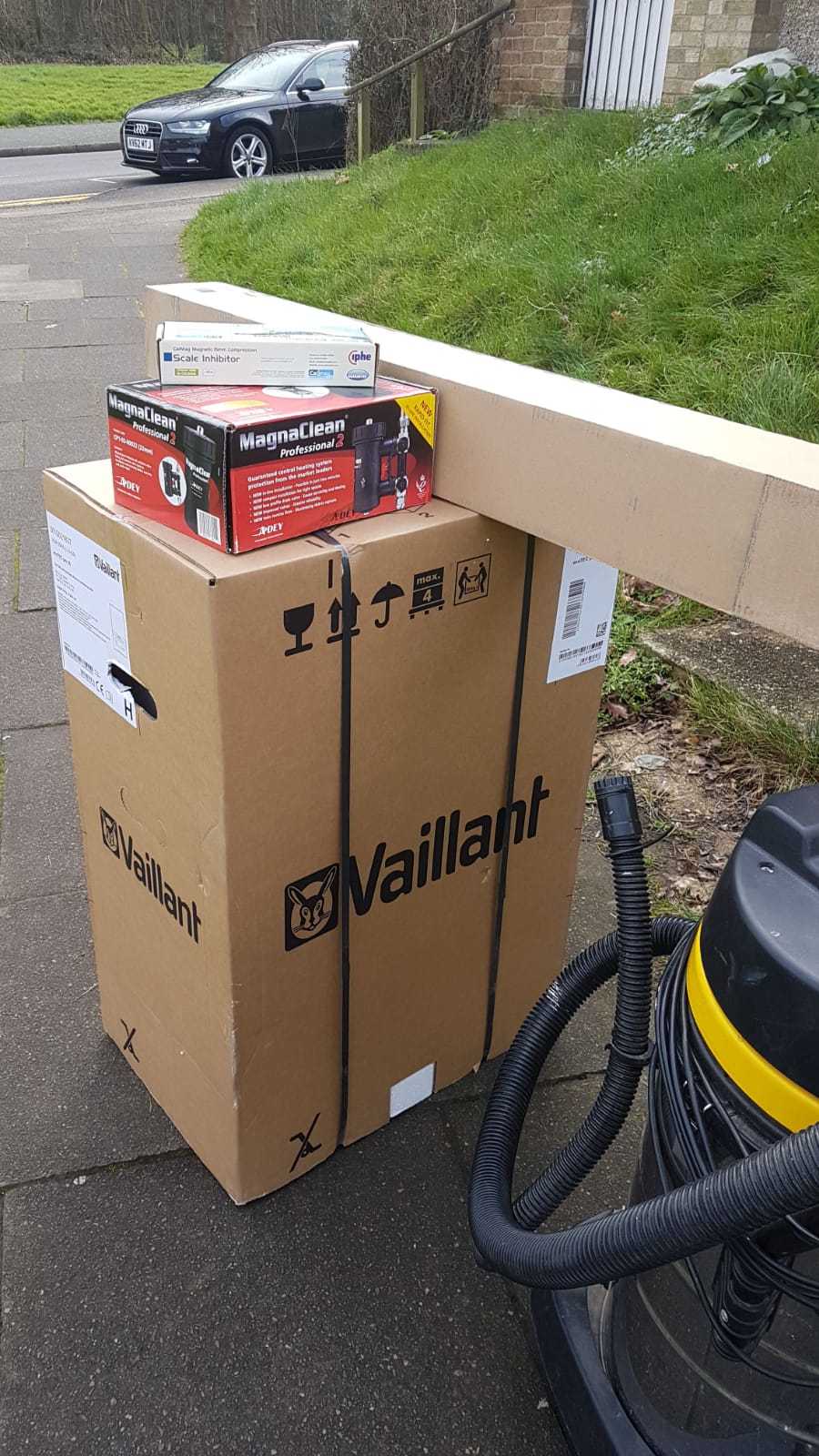
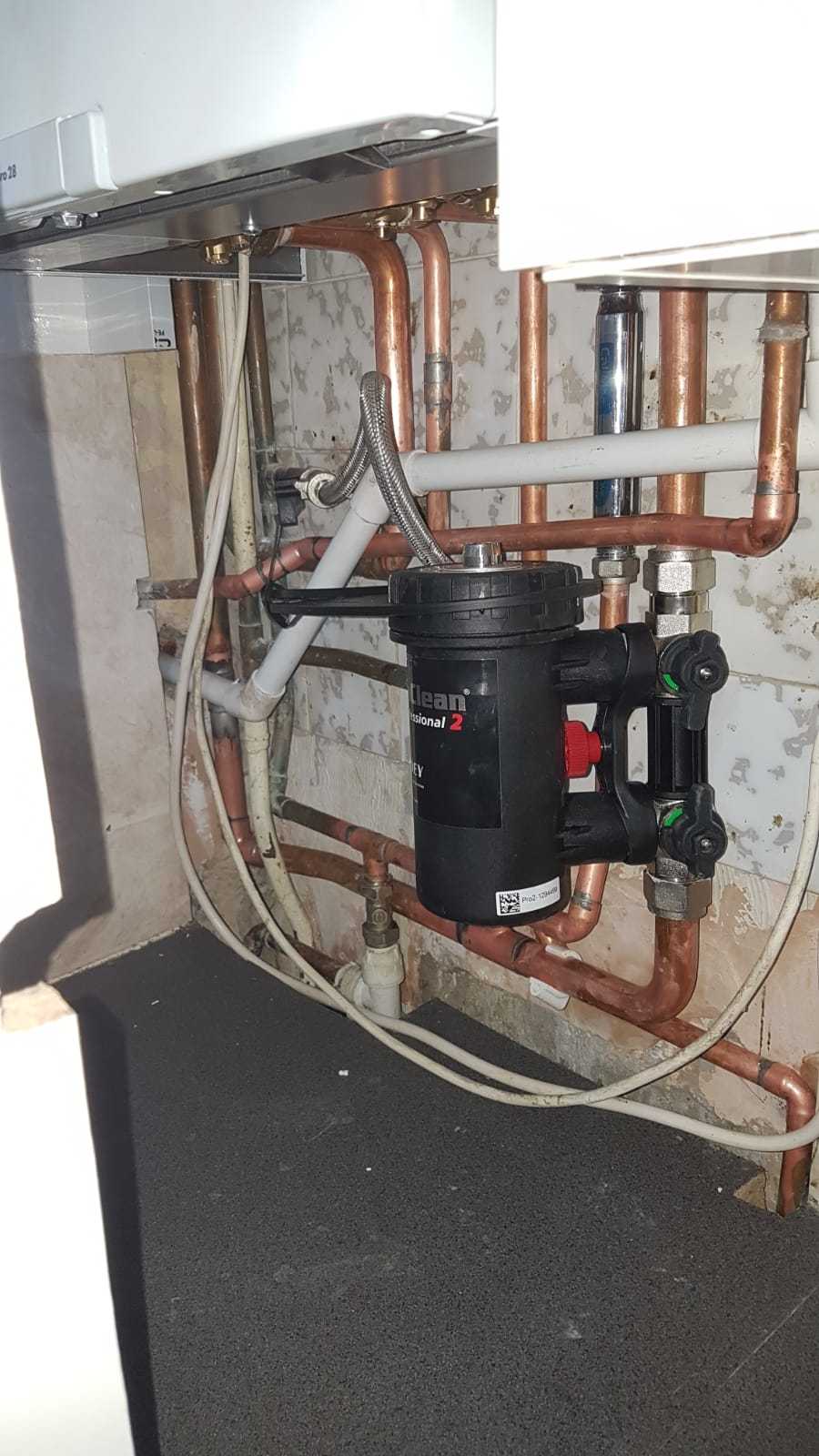
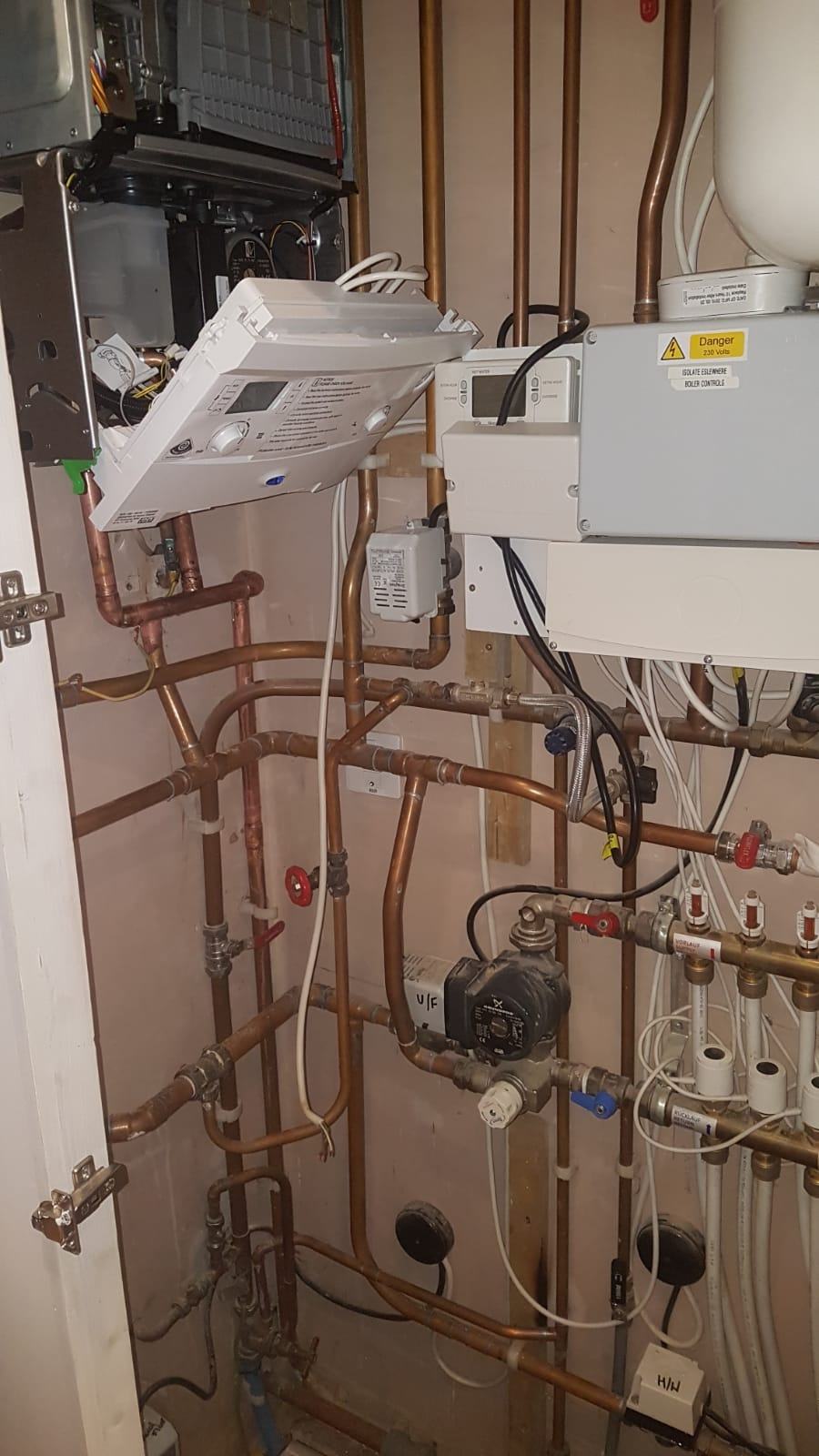
- Safety of Gas Appliances and Boilers: Landlords have to ensure that Gas cookers, fires, and other gas appliances are kept in safe working order. Boilers should be maintained and repaired as needed to remain safe for continued use.
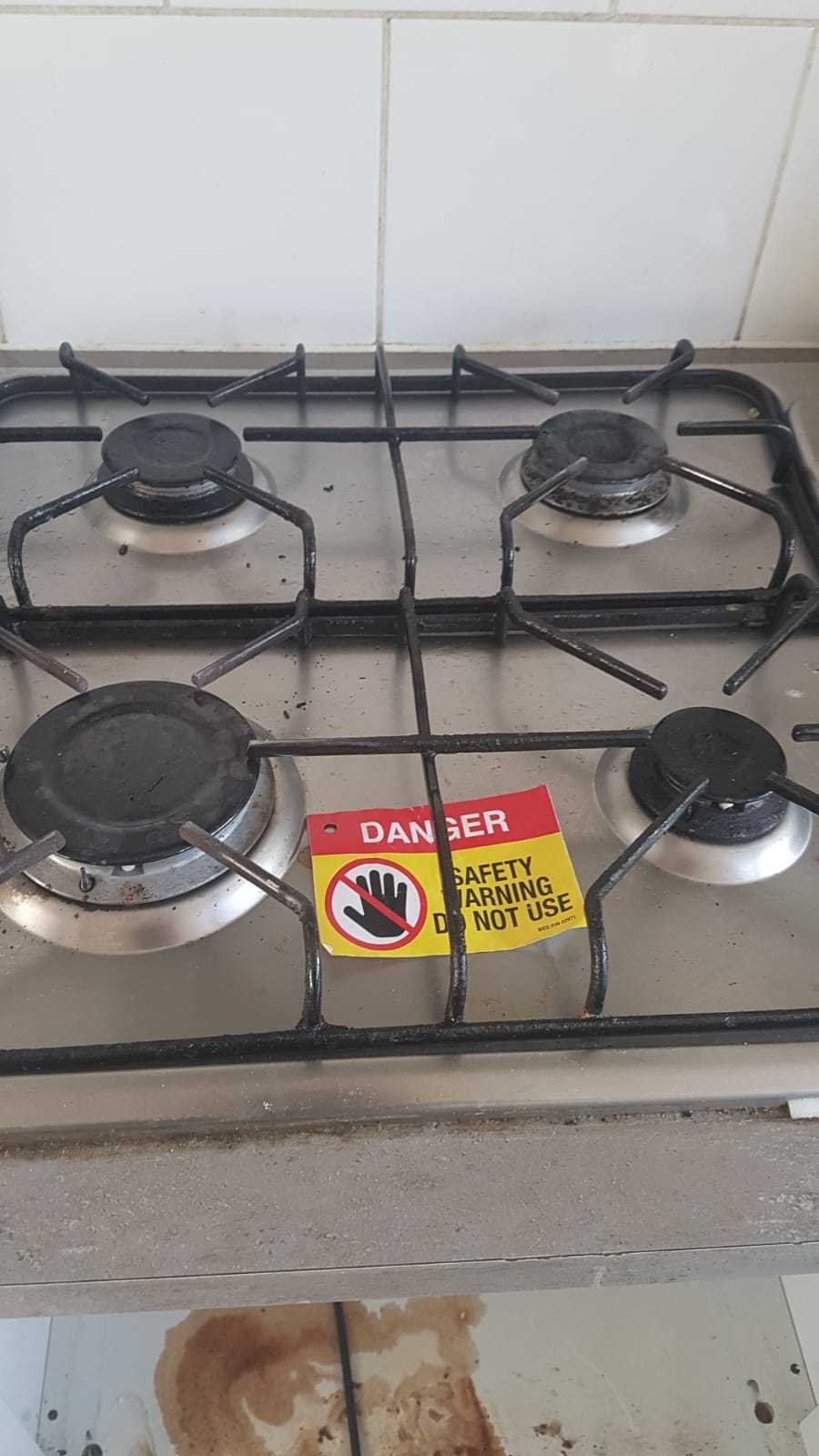
- Gas Pipework and Gas Repairs: The landlord must carry out maintenance and repairs if any defects are found in the gas pipework. Any dangerous defects should be fixed immediately, and unsafe appliances should be taken out of use until they are fixed.
- Flues and Chimneys: Flues and chimneys for gas appliances should be left in good working order for tenants. Closed and out-of-order chimneys led to suffocation.
- Gas Safe Engineers and Access Arrangements: The landlord must ensure that Gas work is carried out only by qualified Gas Safe-registered engineers. The Gas Safety record should be kept for 2 years. Landlords are required to make reasonable efforts to gain access for the annual inspection and must keep records of attempts to access if they are denied.
Health and Safety Inspections
Health and safety inspections involve the identification, assessment, and mitigation of hazards by landlords that impact the health, safety, and welfare of the occupants. All landlords in the residential sector have health and safety responsibilities.

Health and safety inspections are governed by the Housing Act 2004 and the Housing Health and Safety Rating System (HHSRS). HHSRS legislation permits local authorities to carry out a risk assessment and makes it compulsory for landlords to take action if there is a danger.
Health and safety inspections for landlords when renting houses are listed below.
- Hazard Identification: Landlords need to identify and fix hazards that are harmful or affect their tenants’ health and safety.
- Damp and Mould: Landlords have to investigate mould and condensation that pose health risks, as black mould produces toxic substances, mycotoxins. Waste disposal systems, toilets, washing facilities, and drainage should be maintained and operable.
- Excess Cold and Ventilation: The landlord must ensure that properties have sufficient heating and shelter from the cold. Adequate ventilation is required to minimize moisture accumulations and to help maintain indoor air quality.
- Structural Safety and Fall Hazards: The landlord is required to ensure that Ceilings, floors, stairs, walls, and other structures are safe and repaired if they are unsafe. Any elevated areas, steps, staircases, and handrails should be maintained to minimize the risk of accidents.
- Water Safety: Landlords must provide tenants with pure, hazard-free water. Health risks in water systems should be minimized through proper maintenance to reduce the risk of Legionella.
- Overcrowding Risks and Pest-Related Risks: Owners and occupiers of properties should not allow severe overcrowding among tenants to avoid creating health or safety concerns. Building defects and conditions should be addressed if infestations result from them.
Financial Responsibilities
The financial responsibilities and legal and contractual obligations that the landlord is required to fulfill with respect to money, deposits, taxes, insurance, property licensing, and tenancy-related charges. Financial responsibilities apply to all residential landlords, but they vary depending on the type of tenancy, property, and landlord.
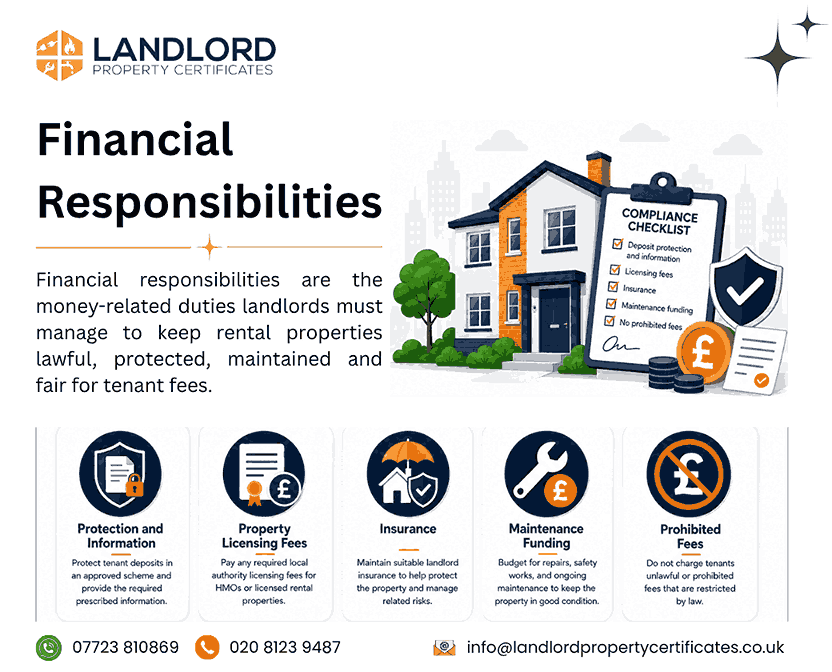
The financial responsibilities of a landlord are governed by the Housing Act 2004, the Tenant Fees Act 2019, the Local Government Finance Act 1992, the Landlord and Tenant Acts, revenue laws, and town licensing orders. These laws address deposits, fees, property licensing, and other financial responsibilities related to rented property.
Financial responsibilities for landlords when renting houses are listed below.
- Deposit Protection and information: The landlord ensures that tenancy deposits (if applicable) are placed in a recognized tenancy deposit scheme (TDS) within the specified time period (30 days). Prescribed information relating to the deposit scheme must be provided to tenants. The deposit should be returned promptly at the end of the tenancy, after appropriate deductions.
- Property Licensing Fees and Insurance: The landlord must arrange and pay for any required HMO, selective, or additional license. Landlords must ensure building insurance and any additional insurance required, although this is not always a legal obligation.
- Tax Obligations and Void Period Costs: Landlords are required to comply with income tax, capital gains tax, and other tax obligations. Landlords cover utility bills during a vacancy, which is otherwise the tenant’s responsibility.
- Maintenance Funding and Prohibited Fees: Landlords have to pay for repairs, maintenance, and statutory safety checks. Landlords are not allowed to charge fees prohibited under the Tenant Fees Act 2019, such as a fee for renewing the tenancy agreement. Landlords are liable for the council tax on HMOs and empty properties.
Regulated Tenancies
Regulated tenancies are traditional tenancies from landlords with better legal protection for tenants on rent and security of tenure. Regulated tenancies pertain to landlords whose properties are subject to regulated tenancy rules.
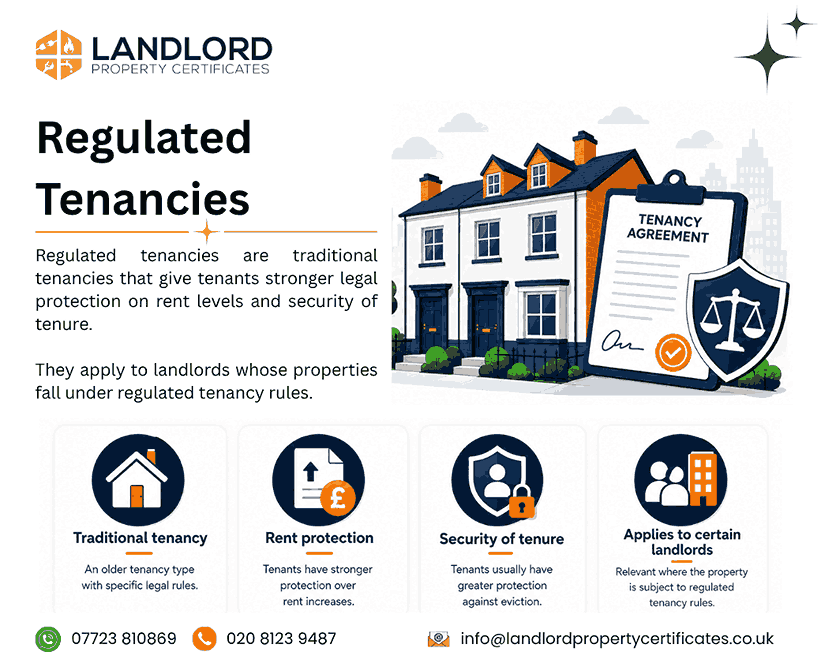
Regulated tenancies are governed by the Rent Act 1977. These provisions also remain in effect for older tenancies that were established before new tenancy systems were introduced.
Regulated tenancies for landlords when renting houses are listed below.
- Fair Rent Compliance and Rent Registration: Landlords must comply with the registered fair rent limits, if any are in place. The landlord has to maintain a fair record. Landlords must complete the rent registration process before raising the rent.
- Security of Tenure and Succession Rights: Protected tenants (statutorily) have a stronger right to remain in occupation. A landlord should not evict a tenant without a valid reason and an eviction notice. Family members have claims to succession to the tenancy following the tenant’s death.
Property Repair Responsibilities
Property repair responsibilities are landlords’ obligations to maintain buildings, installations, fixtures and fittings, and services. The obligation to repair property damage falls on all residential landlords, but it varies depending on the terms of the tenancy and the cause of the damage.

Property repair responsibilities are governed by Section 11 of the Landlord and Tenant Act 1985, The Homes (Fitness for Human Habitation) Act 2018, Defective Premises Act 1972, and other housing legislation. These laws require landlords to maintain essential services and keep key parts of the property in good working order.
Property repair responsibilities for landlords when renting houses are listed below.
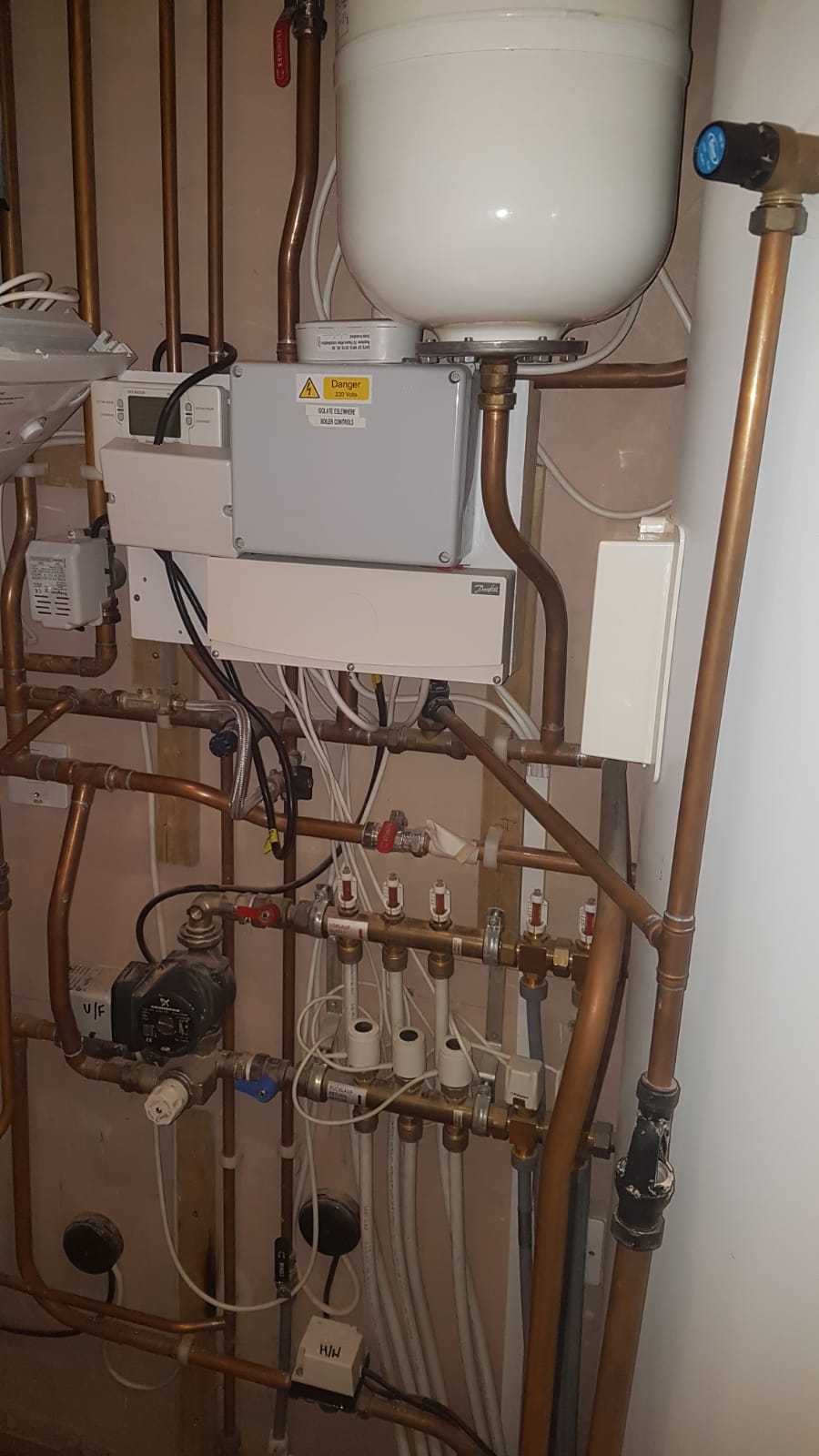
- Appliances, Utilities, and Essential Services: Landlords are obligated to maintain and repair appliances and essential services provided to the household. These services include the maintenance of ovens, cookers, hobs, extractor fans, fridges, freezers, washing machines, dishwashers, tumble dryers, microwaves, televisions, TV equipment, aerial systems, burglar alarms, and other appliances made available as part of the tenancy. Landlords are also responsible for keeping plumbing, hot water, heating systems, boilers, radiators, pipes, drains, toilets, sinks, showers, taps, and other plumbing water systems working properly.
- Structural and Exterior Repairs: Landlords are responsible for the upkeep, maintenance, and repair of the building and exterior. These repairs involve repairing the roof (including leaks), glazing, window frames, doors, locks, ceiling, structural floor defects, steps, stairways, chimneys, fences, boundary structures, and existing insulation.
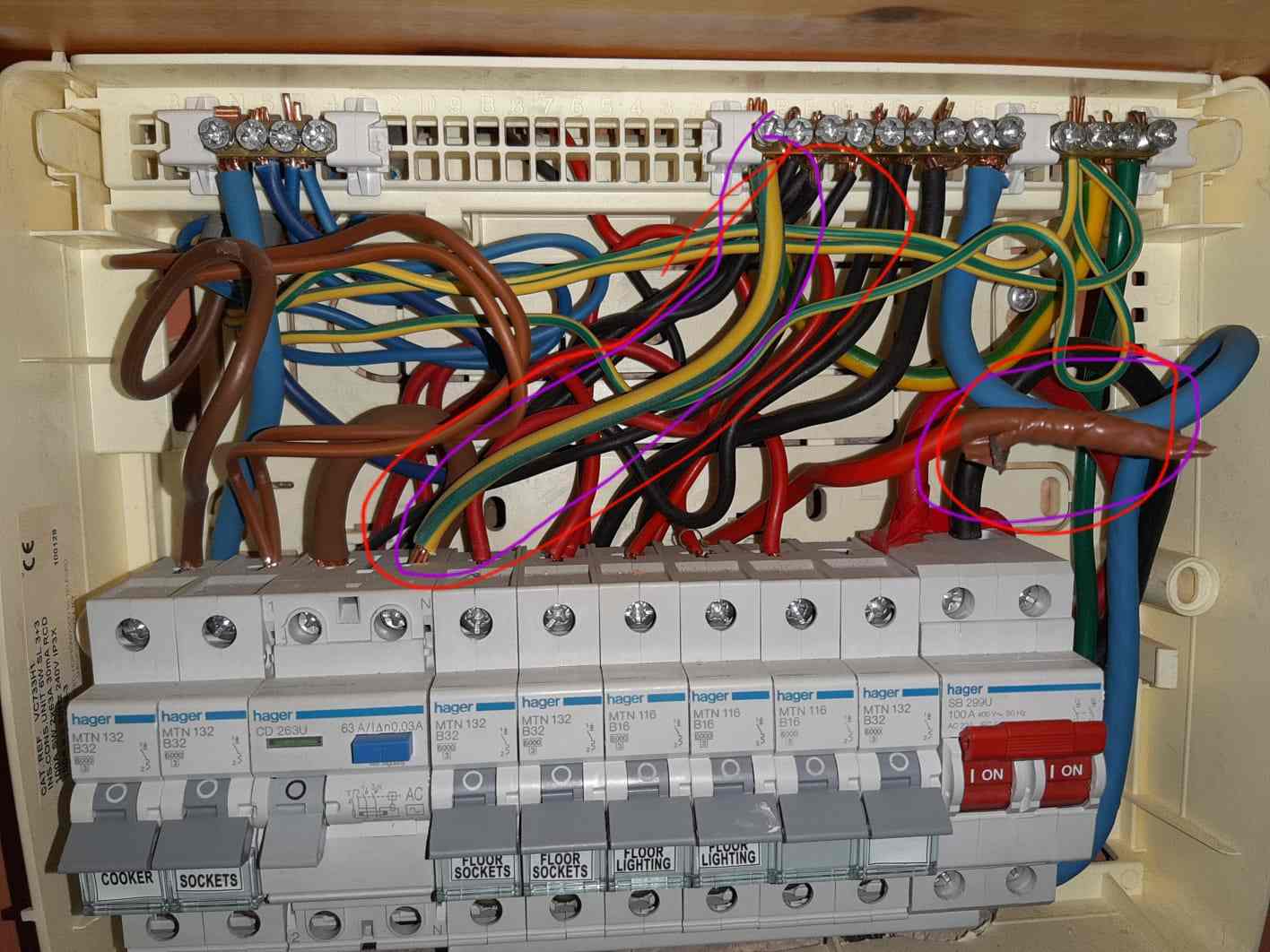
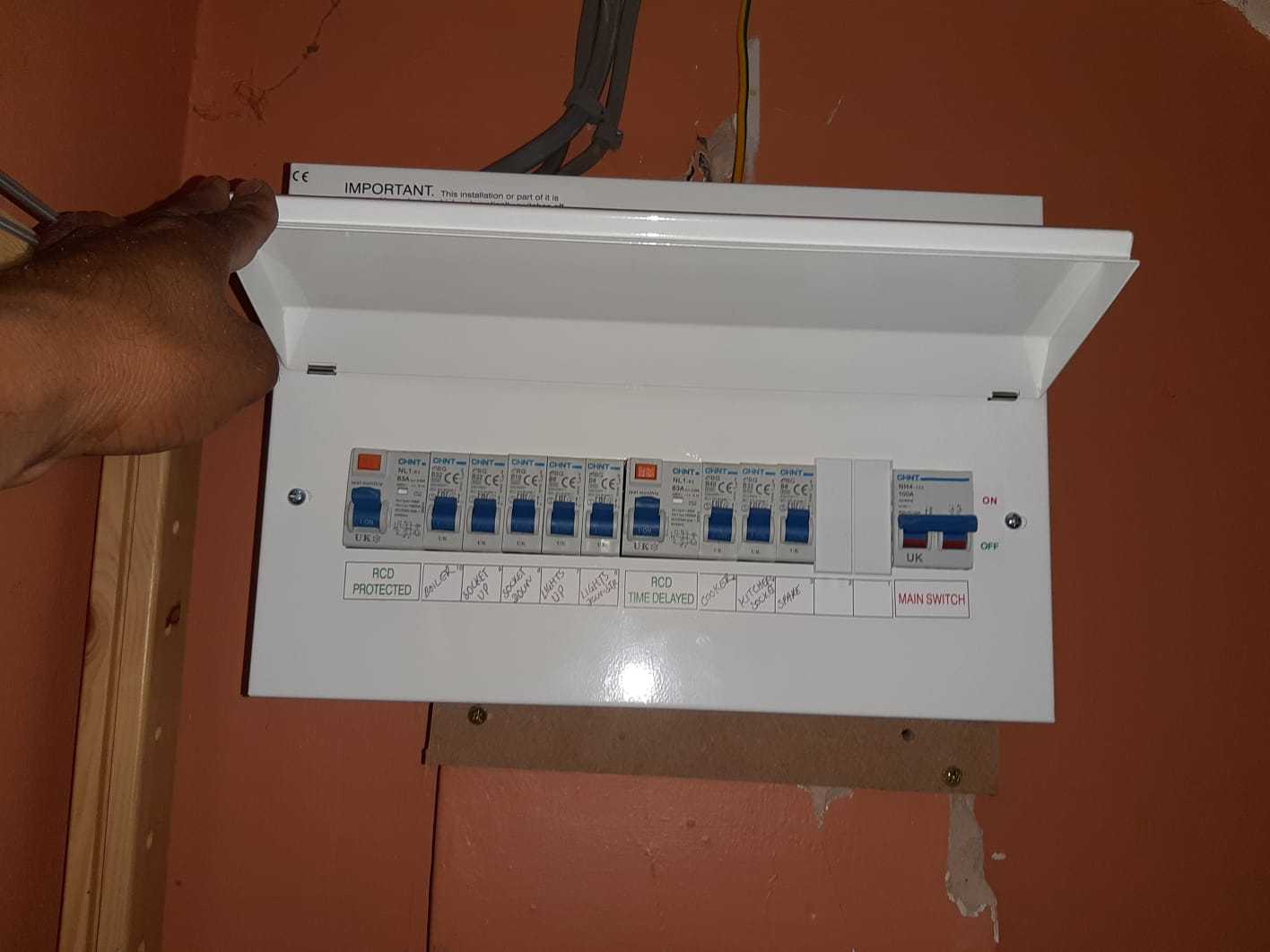
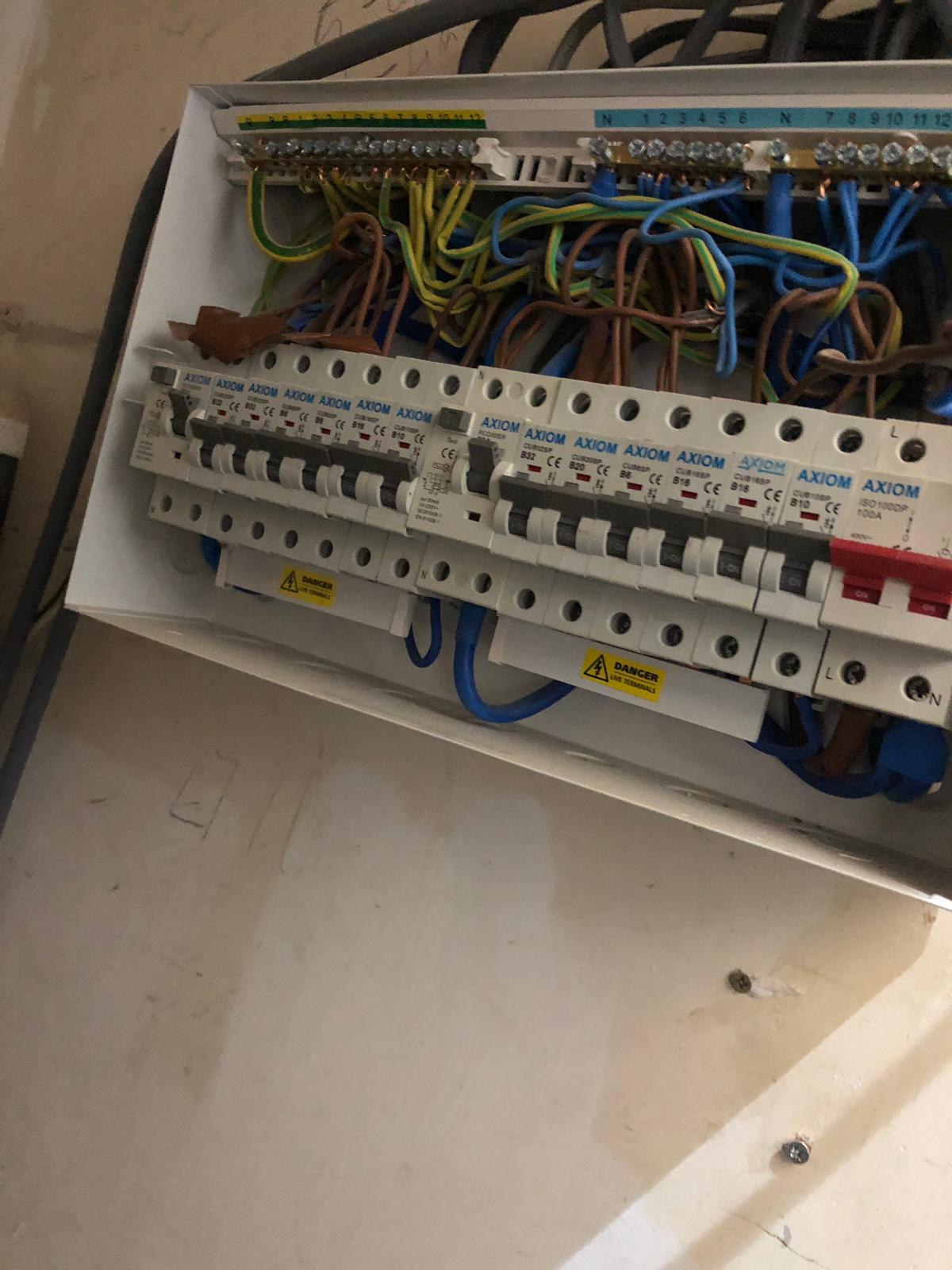
- Electrical Safety and Compliance: Landlords are responsible for ensuring that all electrical installations are safe and able to operate within the property. Landlords’ responsibilities include the maintenance of electrical wiring, electrical fittings, sockets, plugs, consumer units (fuse boxes), smoke alarms, and carbon monoxide detectors. Landlords are required to investigate and repair electrical faults and to carry out PAT testing on electrical appliances provided in the property, if required.
- Fixtures, Furnishings, and Interior Maintenance: Landlords have to repair or replace fixtures and fittings provided by the landlord if damaged. These fixtures and fittings include curtains, blinds, and carpets. Landlords are on the hook for decorating common spaces and repairing damage in them.
- Grounds maintenance: The landlord is responsible for the care and upkeep of external and communal spaces in accordance with the tenancy agreement. These responsibilities include cleaning gutters, pruning trees, waste disposal in common areas, snow and ice hazard management, garden and landscaping maintenance, and maintenance of landlord-provided aerial systems. These responsibilities are to ensure that shared facilities are safe, accessible, and in good repair for the benefit of the occupants.
Legal Compliance
Legal compliance responsibilities are obligations for the landlord governing housing, licensing, safety, and tenancy. Legal compliance responsibilities apply to all landlords, but can vary depending on the type of property and its location.
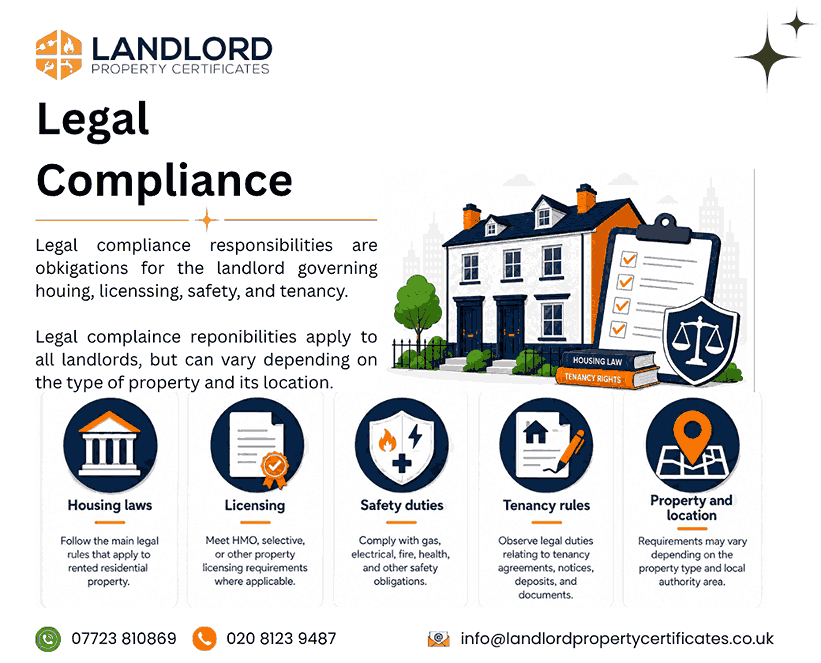
Legal compliance is governed by the Housing Act 2004, the Equality Act 2010, the Data Protection Act 2018, the Tenant Fees Act 2019, the Electrical Safety Standards Regulations 2020, and the HMO regulations.
Legal compliance for landlords when renting houses is listed below.
- EPC, EICR, and Fire Safety Compliance: Landlords are required to provide a valid Energy Performance Certificate (EPC), Electrical Installation Condition Report (EICR), fire risk assessment, and legionella risk assessments after their inspection.
- Property Licensing Requirements: Landlords are responsible for obtaining and keeping a license from the local authority, including HMO Licenses, Selective Licenses, and any Additional Licenses if required.
- Data Protection and Equality Compliance: Landlords are subject to data protection laws and legislation, and must comply with the Equality Act 2010 and not unlawfully discriminate.
- Insurance and Utilities: Landlords have the right to obtain insurance coverage, determine who is responsible for utilities, maintain compliance records, and retain all relevant legal documents.
- Tenants’ management and legal procedures: Landlords are responsible for addressing breaches of the tenancy agreement and anti-social behavior. The landlord is also responsible for serving statutory notices where necessary, obeying the deduction and deposit rules, and ensuring that tenants follow the legal steps to seek possession of the property.
What are the rights of a tenant in the UK?
The rights of a tenant in the UK are listed below.
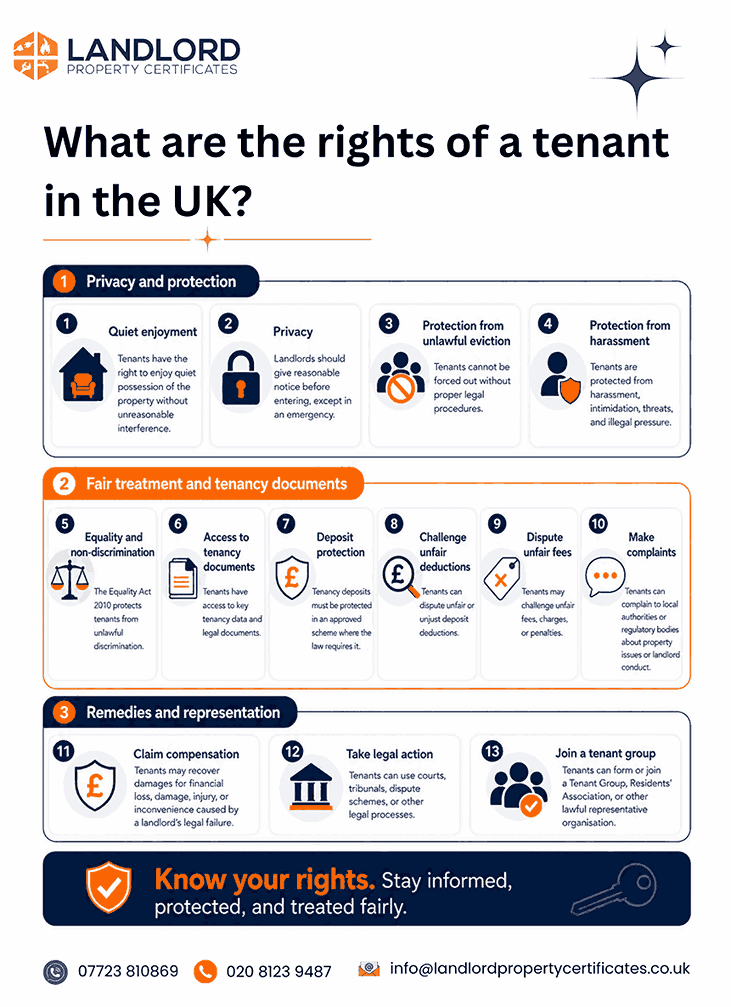
- Tenants have the right to enjoy quiet possession of the property, and the landlord cannot interfere unreasonably.
- Tenants have a right to privacy, and landlords should give reasonable notice before entering the premises unless there is an emergency.
- Tenants are not subject to unlawful eviction, and are never forced to move out without proper legal procedures.
- Tenants are entitled to protection from harassment, intimidation, threats, or illegal pressure from their landlords or agents.
- The Equality Act 2010 protects tenants against unlawful discrimination and ensures that they are treated fairly and equally.
- Tenants have access to key tenancy data and documents required by law.
- Tenants have the right to have their tenancy deposit protected in an approved tenancy deposit scheme where deposit protection laws apply.
- Tenants can contest any unfair or unjust deductions they think are being taken from their tenancy deposit.
- Tenants are entitled to dispute any fees, charges, or penalties that are imposed by landlords or letting agents.
- Tenants can complain to local authorities, regulatory bodies, or other enforcement agencies about their landlords’ management of the property, their behavior, or the property itself.
- The tenant has the right to recover damages if financial loss, damage, injury, or inconvenience arises from a landlord’s failure to meet its legal obligations.
- Tenants are entitled to take legal action through the courts, tribunals, dispute resolution schemes, or other legal processes.
- Tenants have the right to form or be a member of a Tenant Group, a Residents’ Association, or other legal Tenant Representative Organization.
How much rent can a landlord increase for tenants?
There is no fixed percentage or amount by which a landlord can increase rent for tenants. Rent increases depend on the type of tenancy, the terms of the tenancy agreement, and the housing legislation in force. There is no law in the UK about “how much can a landlord increase rent”. A rent increase must be made in accordance with the legal process and be fair within the range of rents charged in the local market. Landlords follow a formal notice procedure to raise the rent for a periodic tenancy in the UK. Tenants can challenge the amount if they believe it is too high compared with other properties in the same area. Landlords are not entitled to charge tenants rent arbitrarily or more than permitted by law for the type of tenancy.
How often can a landlord increase rent to their tenants?
A landlord can increase the rent to their tenants once every 12 months (1 year) by using the formal rent increase procedure. A landlord can also raise rent if there is a rent review clause in the lease or a new lease is drafted. The rent increment frequency depends on the type of tenancy and the conditions set out in the tenancy agreement.
Can a landlord finish a tenancy with no notice?
No, Landlords cannot finish a tenancy without a landlord notice to end tenancy. A landlord must provide legal notice, comply with housing laws, and obtain a court order to require a tenant to leave if necessary. Notice period and procedure vary according to the type of tenancy and the grounds for termination. A landlord can ask tenants to vacate the property if a fire emergency arises and requires immediate attention, but even then, the tenancy is not terminated. Finishing a tenancy without going through the legal process constitutes an unlawful eviction and results in civil penalties, criminal sanctions, or compensation claims.
How to rent out your house as a landlord?
The process to rent out your house as a Landlord is listed below.
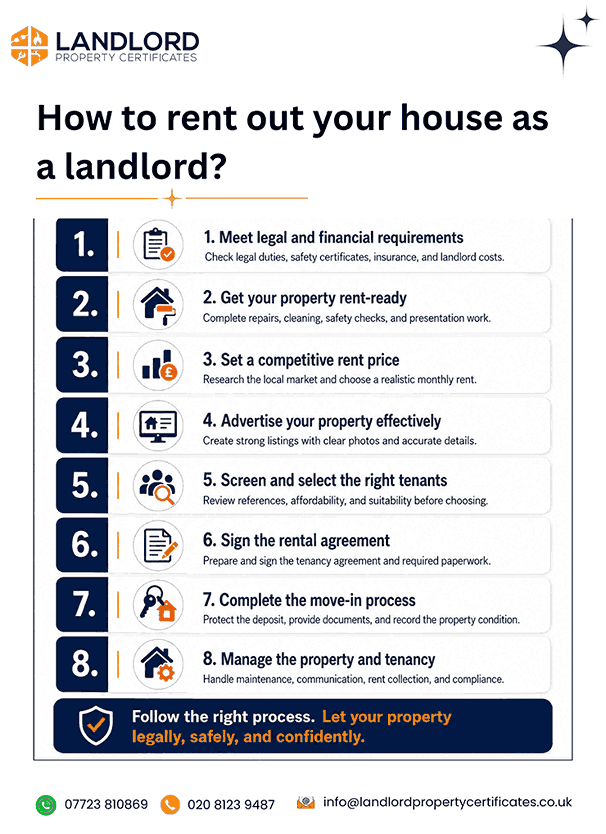
- Meet legal and financial requirements: Meet legal and financial requirements before listing a home for rent. These requirements involve getting the t licenses if needed, gas and electric safety checks, an EPC, protection of a tenancy deposit if applicable, and tax and insurance issues. Landlords can avoid penalties, comply with housing law, and protect tenants’ safety by meeting these requirements.
- Get your property rent-ready: Get your property rent-ready by thoroughly cleaning and repairing it before it’s advertised. Address issues related to safety, security, or habitability, and ensure all appliances, heating installations, plumbing, and safety equipment are working. A well-maintained property minimizes future maintenance issues and builds tenants’ trust in the landlord.
- Set a competitive rent price: Set a competitive rent price before renting a property, based on similar properties in the locality. Implementation of a market-rate rent attracts the right tenants, minimizes vacancy time, and provides a competitive market rent while maximizing long-term rental income.
- Advertise your property effectively: Advertise your property effectively by using clear descriptions, accurate information, and high-quality photographs. Using reliable property portals, letting agents, and local media to market the rental property boosts visibility and draws in more potential tenants.
- Screen and select the right tenants: Screen and select the right tenants by checking their references, affordability, and employment, and asking for previous landlords’ references, if applicable. Tenant screening minimizes the risk of rent delinquency, property damage, and tenant issues.
- Sign the rental agreement: Sign the rental agreement that clearly outlines the rights and responsibilities of both parties, including rent, deposit, repairs, notice, and tenancy conditions. A clear agreement helps to minimize misunderstandings between tenants and the landlord and offers legal certainty.
- Complete the move-in process: Complete the move-in process and hand over the required documents before the tenancy starts, take an inventory of the property, take meter readings, and provide keys. This process creates clear documentation of the property’s condition and tenancy arrangements.
- Manage the property and tenancy: Manage the property and tenancy by maintaining the property, addressing repair requests, conducting required safety inspections, maintaining accurate records, and communicating professionally with the tenant. Good tenancy management ensures compliance with the law, safeguards property, and fosters a positive landlord-tenant relationship.
Do landlords have to maintain landlord certificates for a property?
Yes, landlords have to maintain landlord Certificates for a property, as it is a legal requirement.
These certificates include Gas Safety Certificates, Energy Performance Certificates (EPCs), Electrical Installation Condition Reports (EICRs), and, if required, licenses for HMOs or regulated properties.
Valid landlord certificates indicate that a home meets housing and safety requirements, protect tenants who live there, and minimize the risk of accidents, enforcement actions, fines, and legal issues. Landlords are also obligated to provide tenants with certain certificates and records at the time specified by law. Landlords may face financial penalties, difficulty regaining possession of the property, prosecution, and potential liability if a tenant is injured or faces any damage as a result of non-compliance.