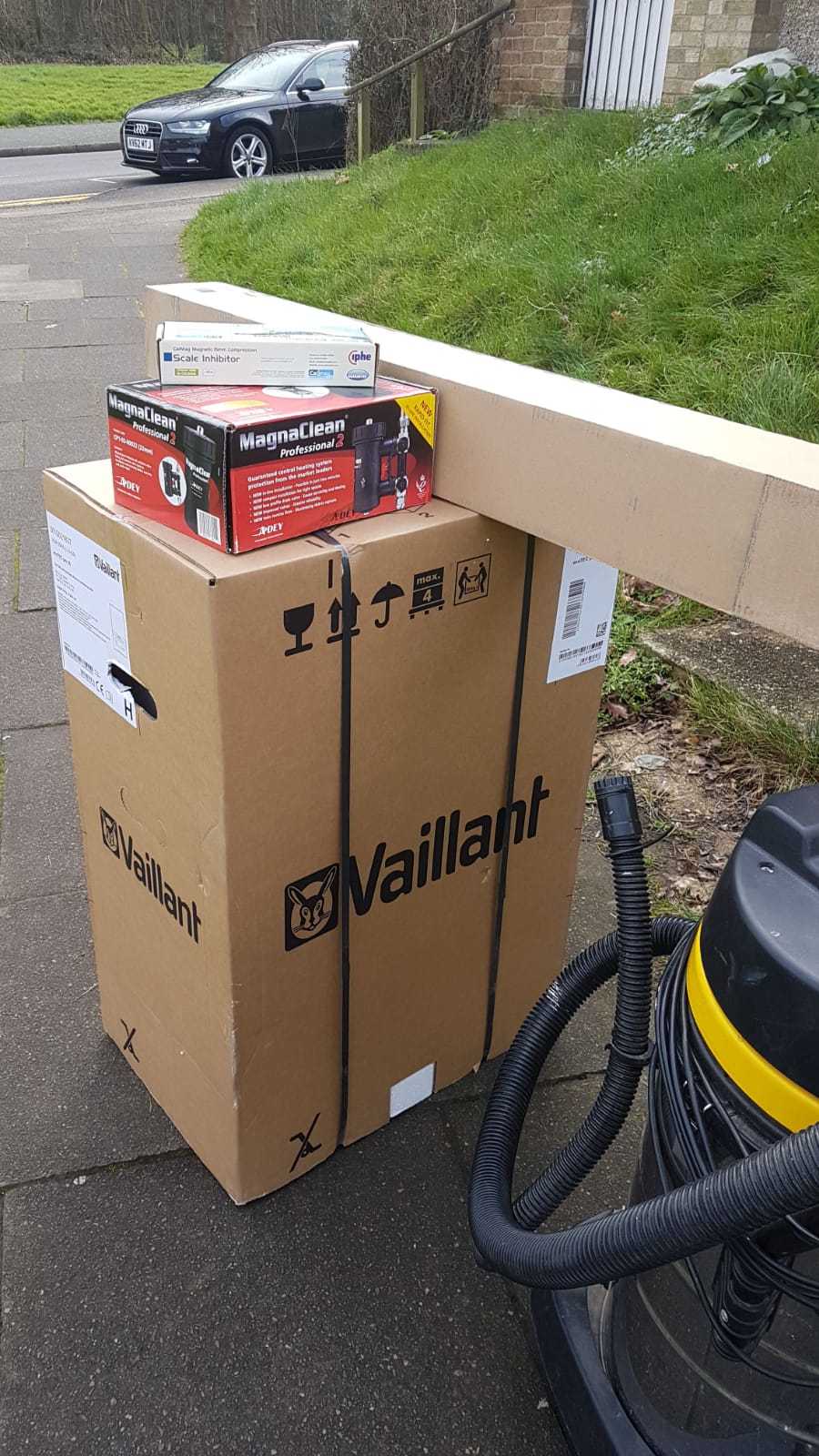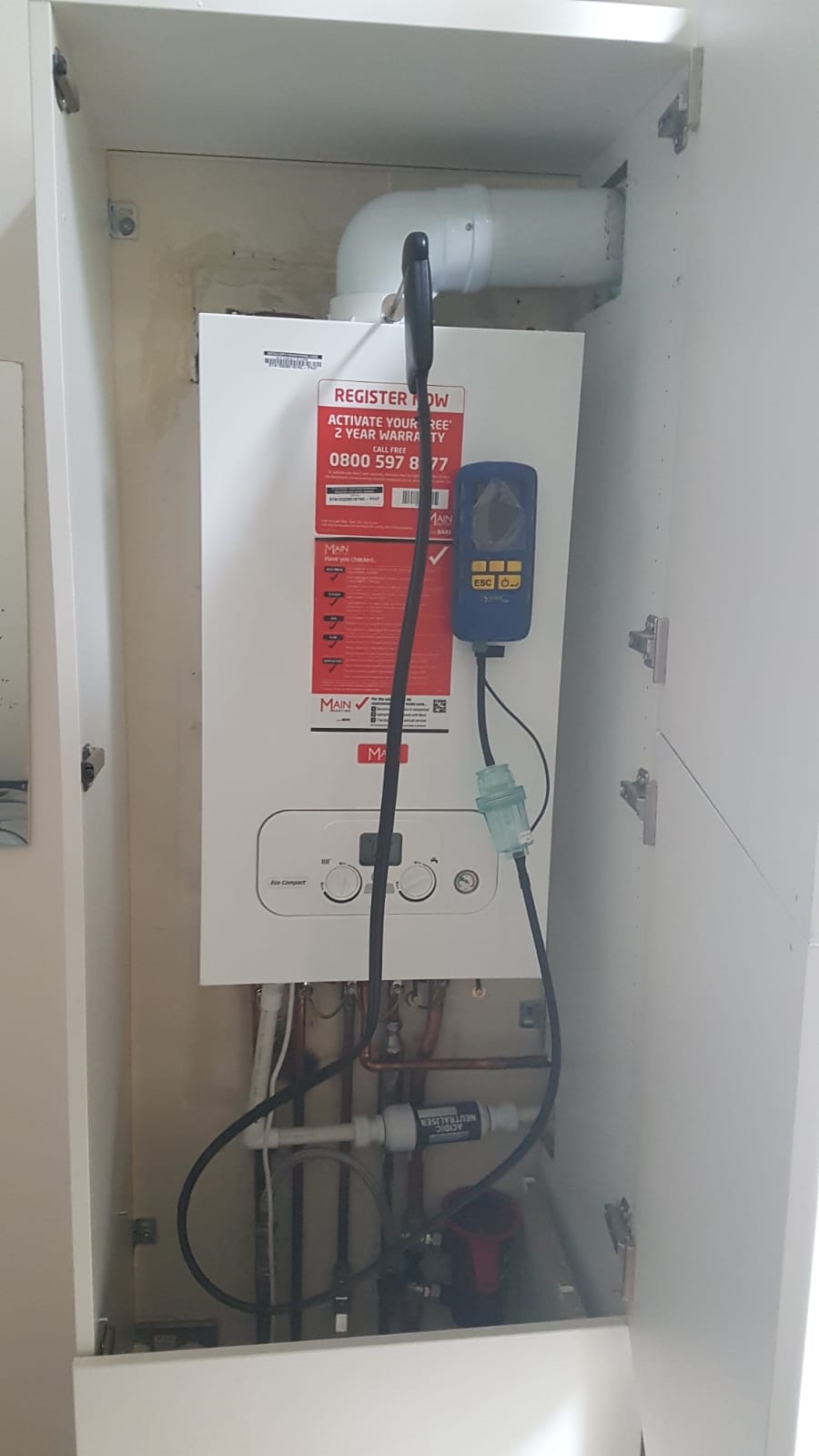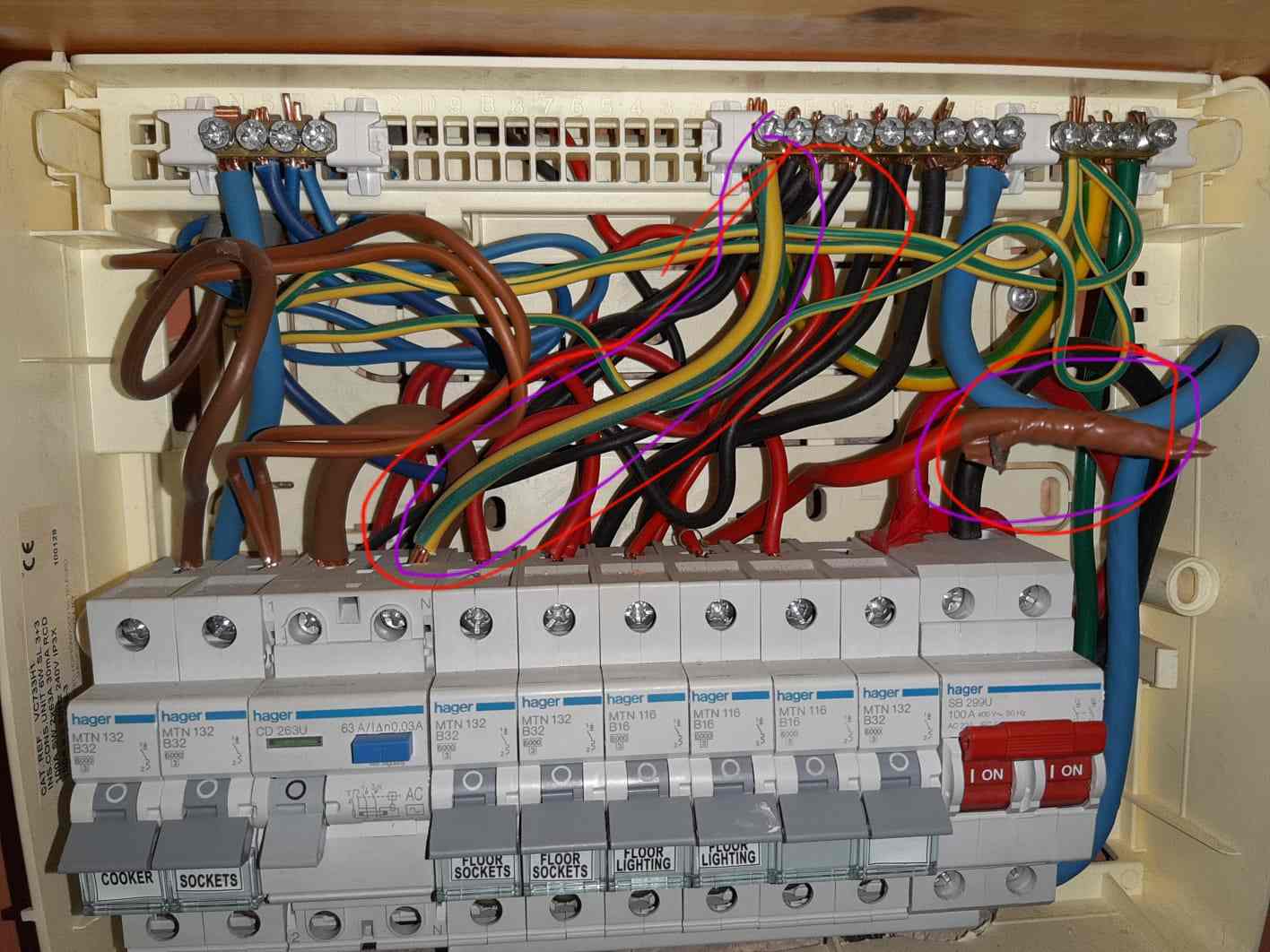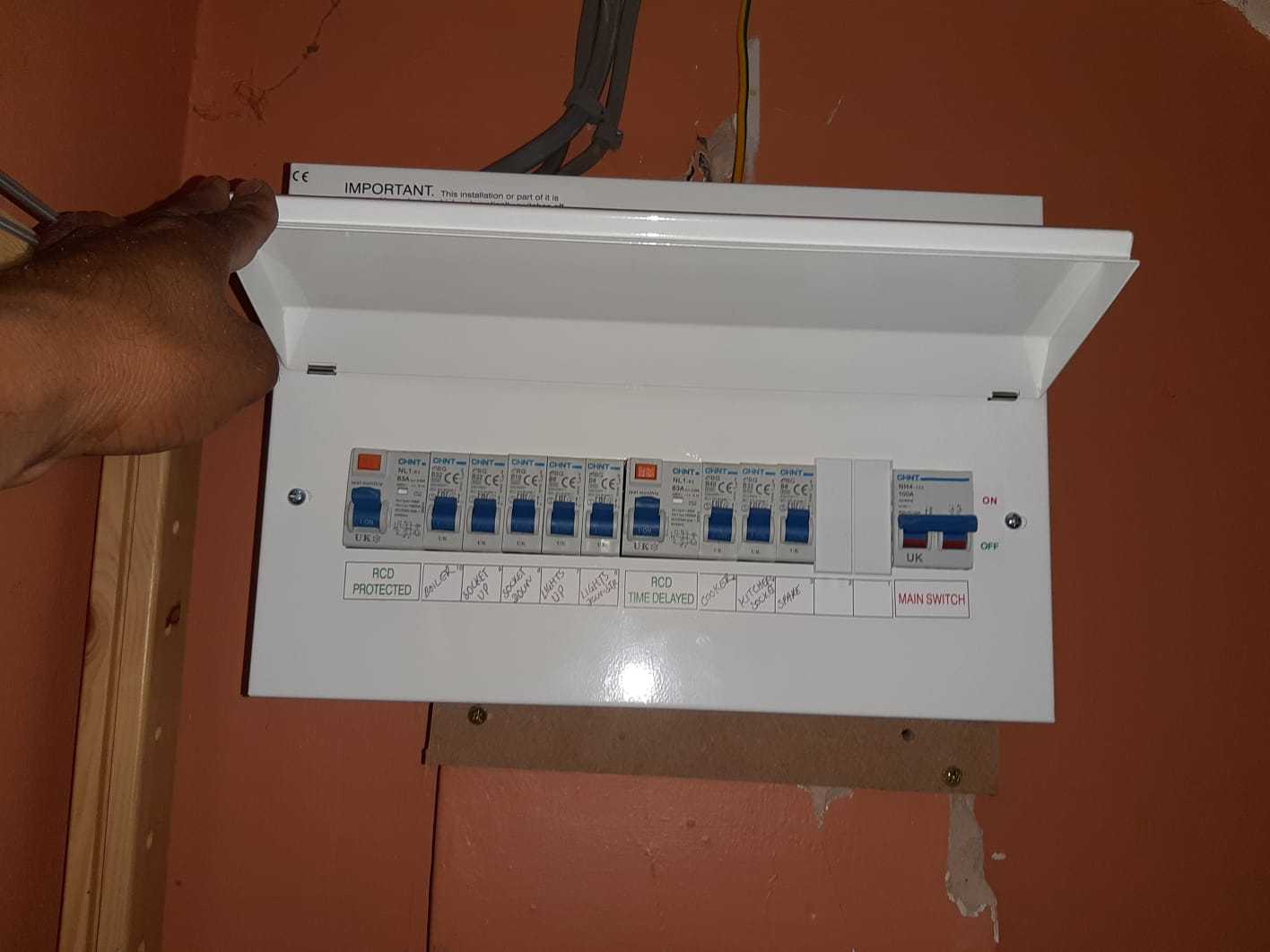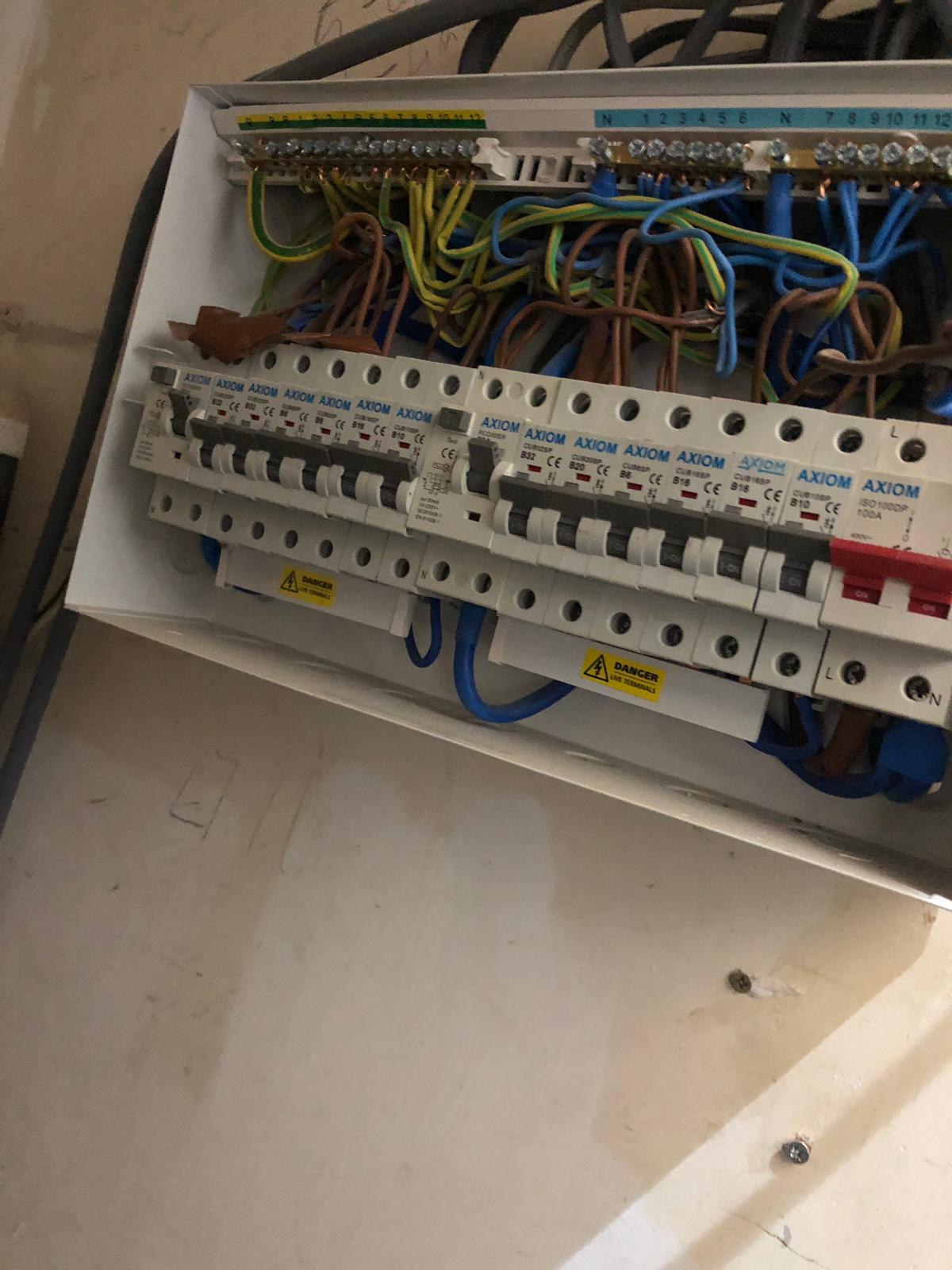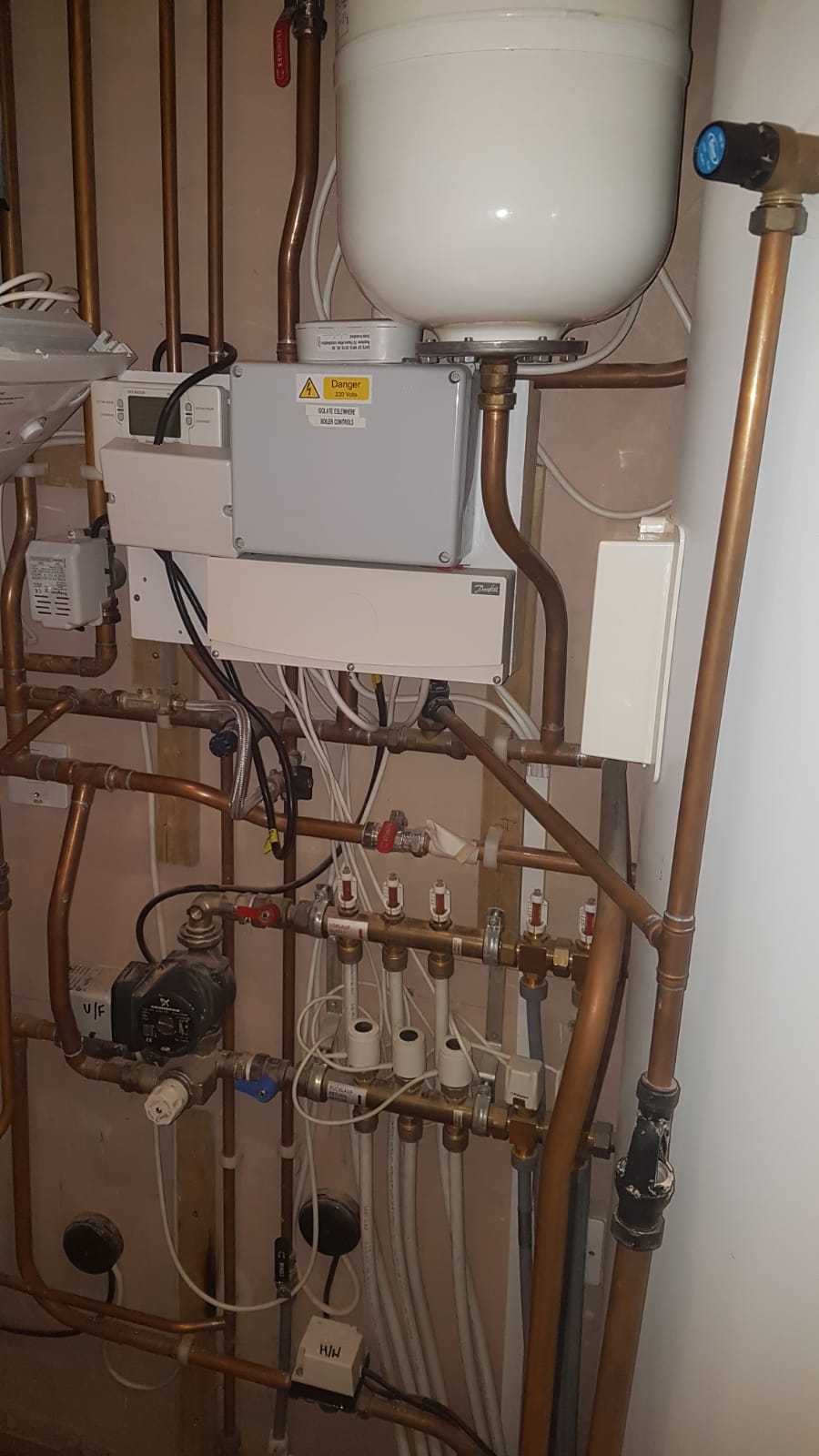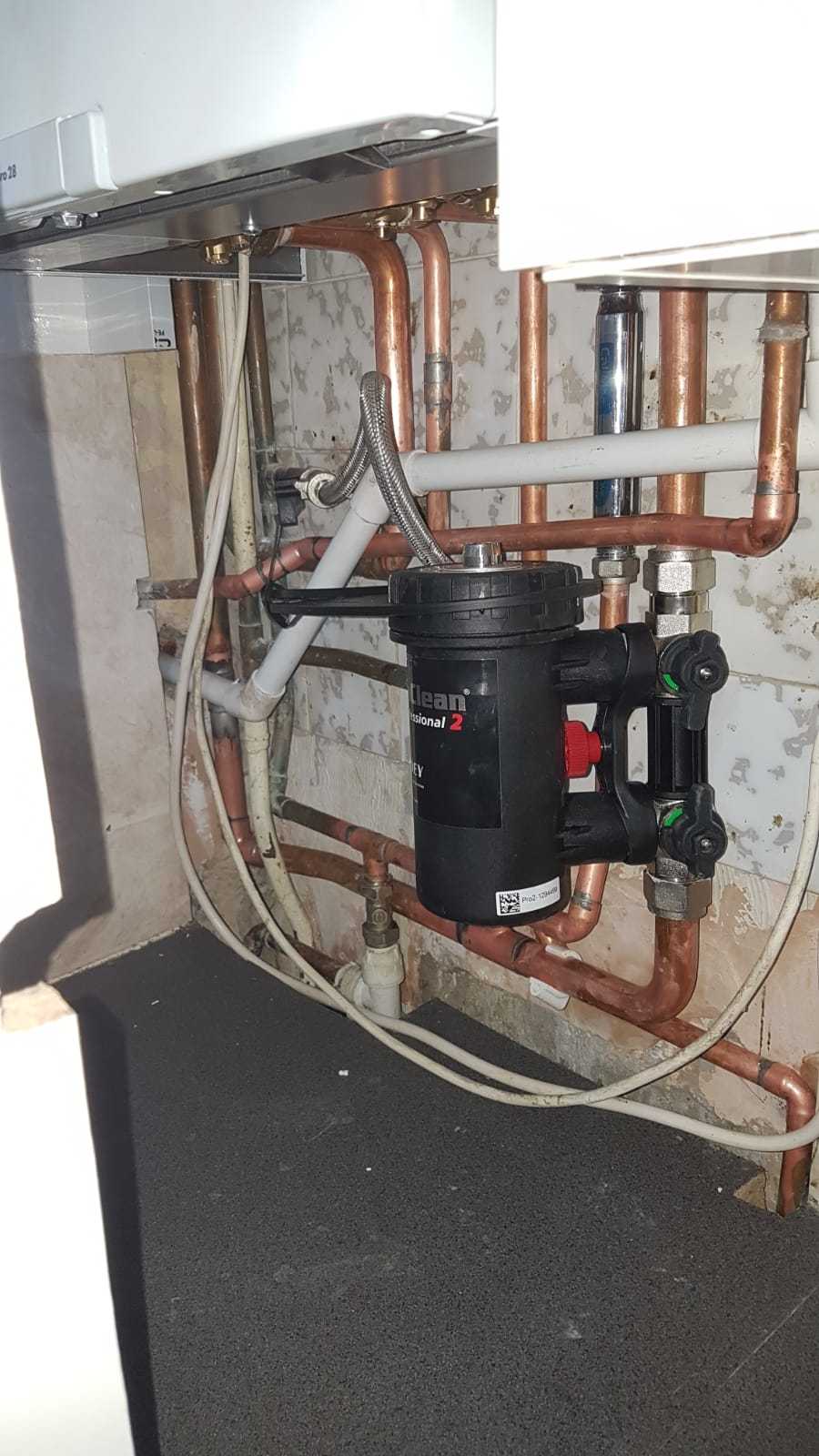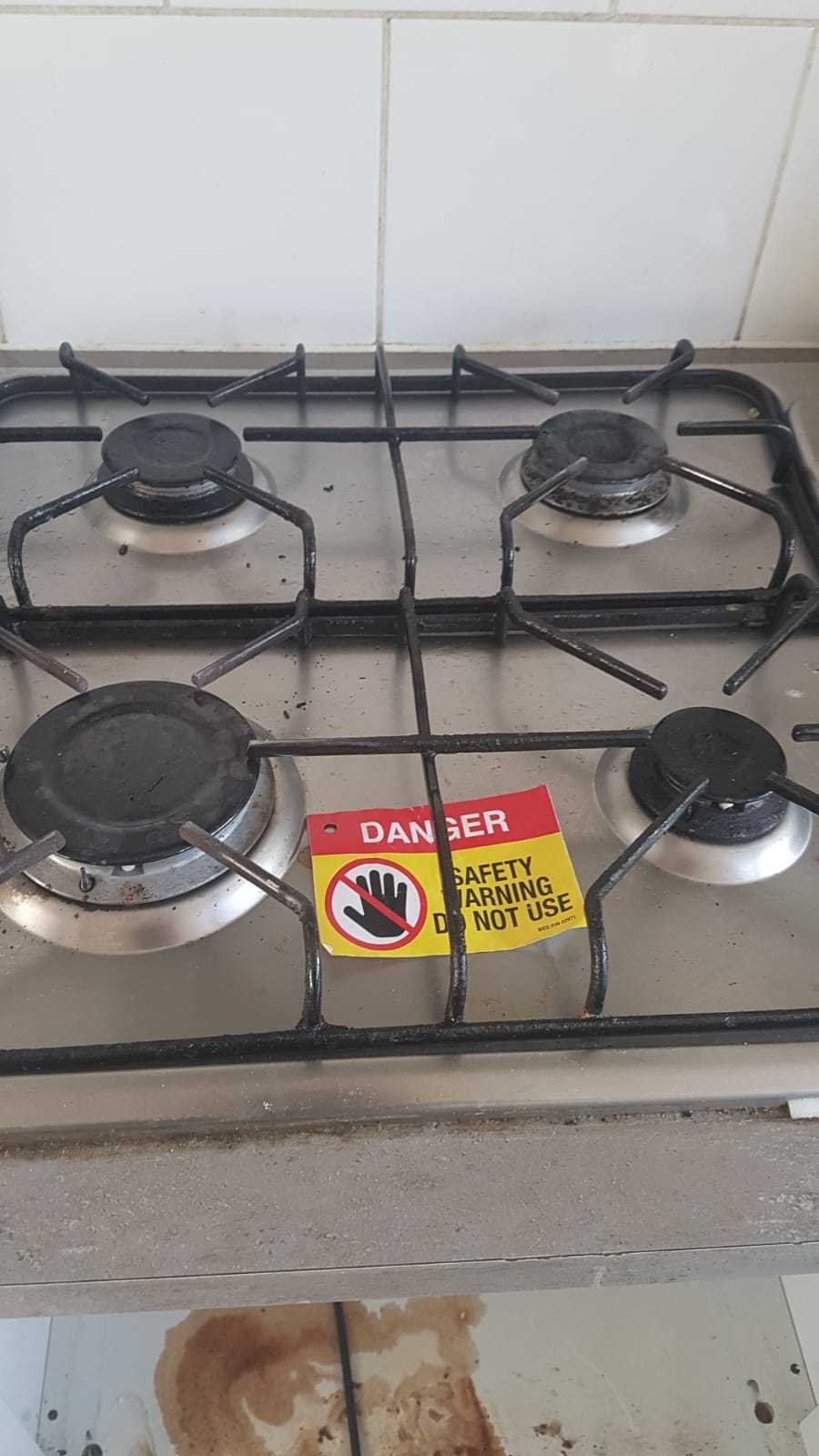

The new boiler installation process in the UK involves inspection of the location, selection of a suitable boiler, disconnection of pipes, modification of the connections, installation of a new boiler, and registration of the installation with the authorities.
A Gas Safe-registered engineer is legally required to install a new boiler. It takes 4 hours to 4 days to install a new boiler in the UK. The cost of a new boiler installation in the UK is from £600 to £2500.
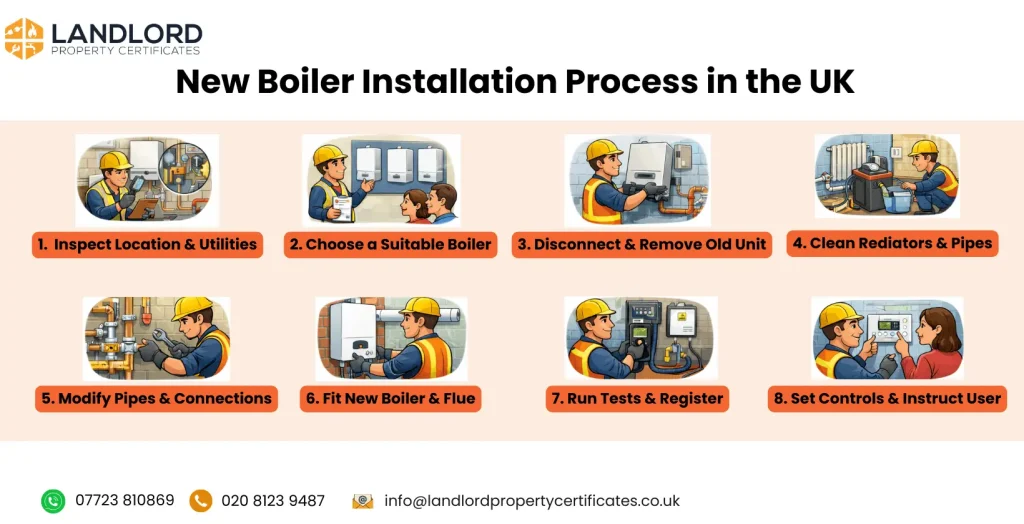
Listed below are 8 steps involved in the new boiler installation process in the UK.
- Inspect Location & Utilities: A Gas Safe-registered engineer surveys the property to assess pipework, gas supply, water pressure, ventilation, and flue routes. This inspection determines the legally and safely installable boiler type and identifies any necessary site upgrades.
- Choose a Suitable Boiler: The engineer selects the correct boiler type (combi, system, or regular) and output size based on property size, hot water demand, and Building Regulations efficiency requirements. Homeowner or landlord approval is obtained before proceeding to prevent oversizing, inefficiency, and premature wear.
- Disconnect & Remove Old Unit: The engineer safely disconnects the gas, water, and electrical supplies before removing the old boiler, flue sections, and redundant components. This legally required step under the Gas Safety (Installation and Use) Regulations 1998 clears access for system cleaning.
- Power Flush System: A power flushing machine circulates cleaning chemicals through the radiators and pipes to remove sludge, rust, and debris, followed by a clean water rinse. This protects the new boiler from damage, maintains efficiency, and preserves manufacturer warranties.
- Modify Pipes & Connections: The engineer resizes pipes, fits isolation valves, adds magnetic filters, relocates connections, and configures the condensate drain to match the new boiler’s requirements. These adjustments ensure safe system pressure and proper water circulation throughout the heating system.
- Fit New Boiler & Flue: The engineer mounts the new boiler and connects it to the heating, water, electrical, and gas circuits, installing the flue in compliance with Building Regulations. Correct flue installation is critical to prevent carbon monoxide risks and ensure safe combustion exhaust.
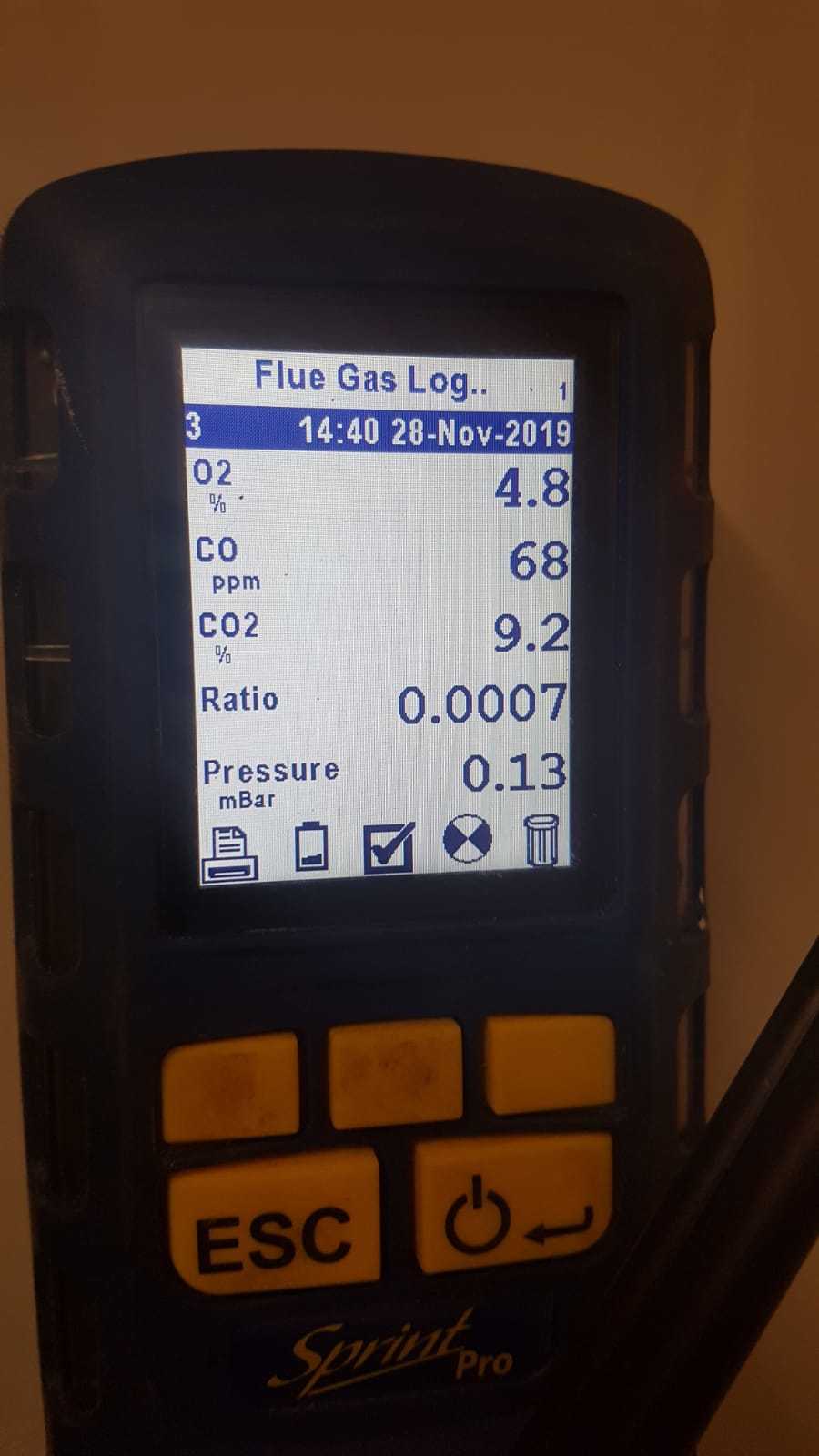
- Run Tests & Register: The engineer tests gas tightness, safety devices, pressure levels, system balance, and combustion readings to confirm safe operation. The installation is then registered with the Gas Safe Register and Local Authority Building Control as a legal requirement under Building Regulations Parts J and L.
- Set Controls & Instruct User: The engineer configures thermostats, programmers, TRVs, and smart controls for everyday use. Users are instructed on boiler operation, pressure checks, and controls to ensure maximum efficiency, safety, and longevity in compliance with the Health and Safety at Work Act 1974.
1. Inspect Location & Utilities
A Gas Safe-registered heating engineer inspects the location and utilities to assess clearances, flue route, access for servicing, and ventilation. This engineer conducts a complete survey to look into the condition of existing pipework, electrical connections, gas supply capacity, water pressure, and radiators. This inspection helps the engineer decide on a type of boiler that can be legally and safely installed and whether the site needs any upgrades.
A gas-safe registered engineer will proceed to select the most suitable boiler type and size based on the findings of this site survey.
2. Choose a suitable boiler.
A heating engineer chooses a suitable boiler by getting approval from the homeowner and landlord. The engineer calculates the correct output for the boiler and an appropriate type of boiler (combi, system, or regular) by considering factors (property size, hot water demand, radiator load). A safe-registered engineer also considers efficiency requirements of a boiler under Building Regulations and opts for a boiler plus, if required. Choosing a correct boiler prevents oversizing, inefficiency, and premature wear.
A heating engineer plans the disconnection and removal of the old unit after selecting an appropriate boiler.
3. Disconnect & Remove Old Unit
A gas-safe registered engineer disconnects supplies ( gas, water, and electrical supply) and removes the boiler safely. The engineer also removes Old flue sections and redundant components. Safe removal of the old unit is a legal requirement to create clear access for system cleaning under the Gas Safety (Installation and Use) Regulations 1998 in England.
The heating system becomes accessible for cleaning and preparation for the new boiler after removing the older boiler.
4. Power Flush System
A heating engineer uses a power flushing machine to remove sludge, rust, and debris from radiators and pipes by circulating cleaning chemicals throughout the system. Clean water is used to clean a system after chemical cleaning. A dirty system damages the new boiler by reducing efficiency and invalidating warranties.
A heating engineer continues with the modification of pipes and connections after cleaning the system.
5. Modify Pipes & Connections
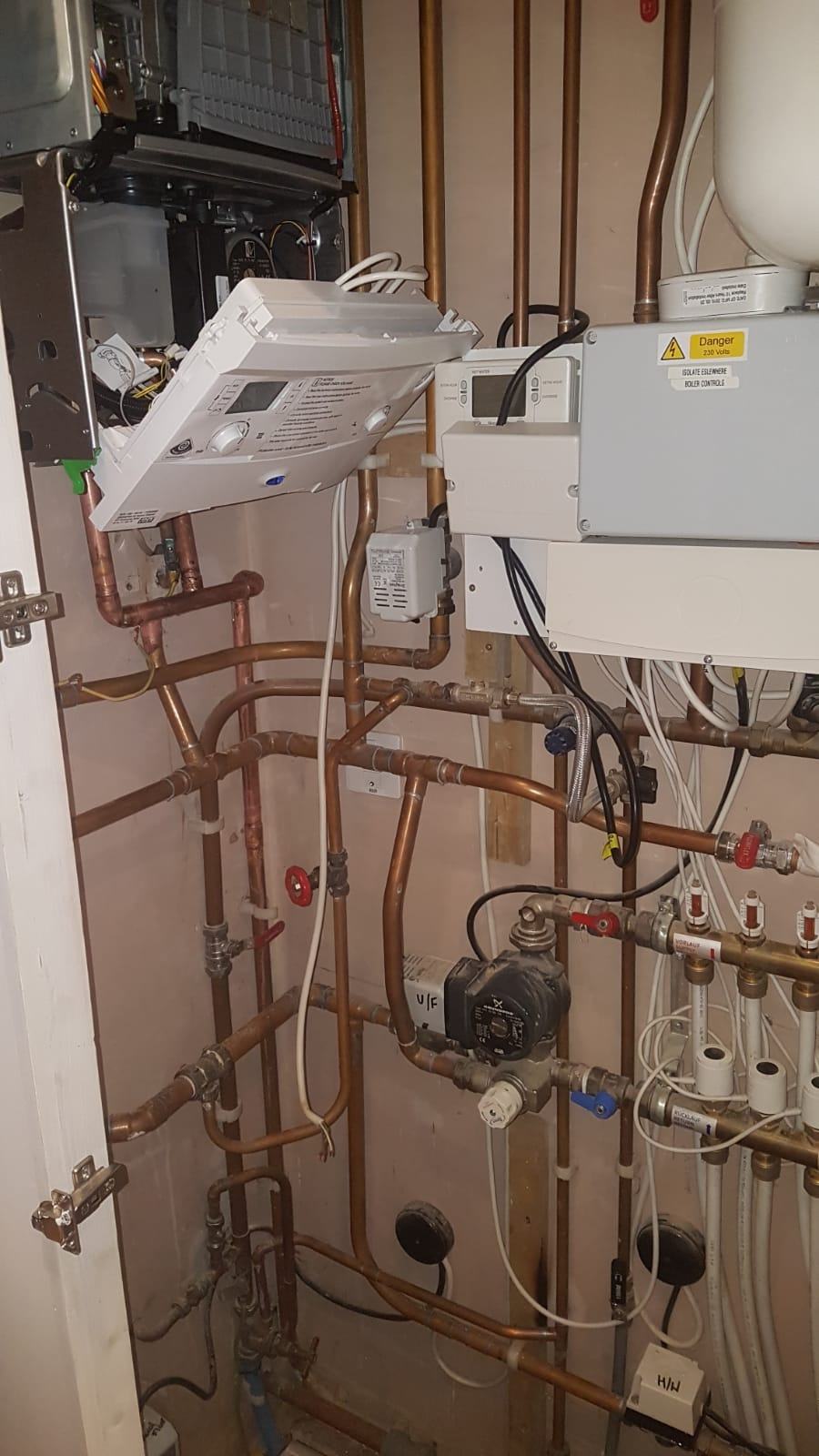
A heating engineer modifies pipes and connections to make them suitable for the new boiler’s requirements. The engineer resizes pipes, fits isolation valves, adds magnetic filters, relocates connections, and configures the condensate drain. Adjustment in the pipes and connections ensures that the system maintains safe pressure and proper circulation. A heating engineer fits a new boiler and flue after adjusting the pipework.
6. Fit New Boiler & Flue
A Gas Safe registered engineer mounts a new boiler and connects the system to heating, water, electrical, and gas circuits. The engineer follows the building regulations during flue installation to ensure exhaust discharge and safe combustion. Incorrect fitting of the flue leads to carbon monoxide and a safety risk.
An engineer needs to test, commission, and register the new system after its correct physical installation.
7. Run Tests & Register
A Gas Safe registered engineer tests gas tightness, safety devices, system balances, pressure levels, and combustion readings. New boiler installation is registered with
The Gas Safe Register and Local Authority Building Control in the UK. This registration is a legal requirement under the Building Regulations (Parts J and L) as it works as proof of compliance for insurance, warranties, and property sales.
An engineer starts system configuration for everyday use after the legal registration of a new boiler installation.
8. Set Controls & Instruct User
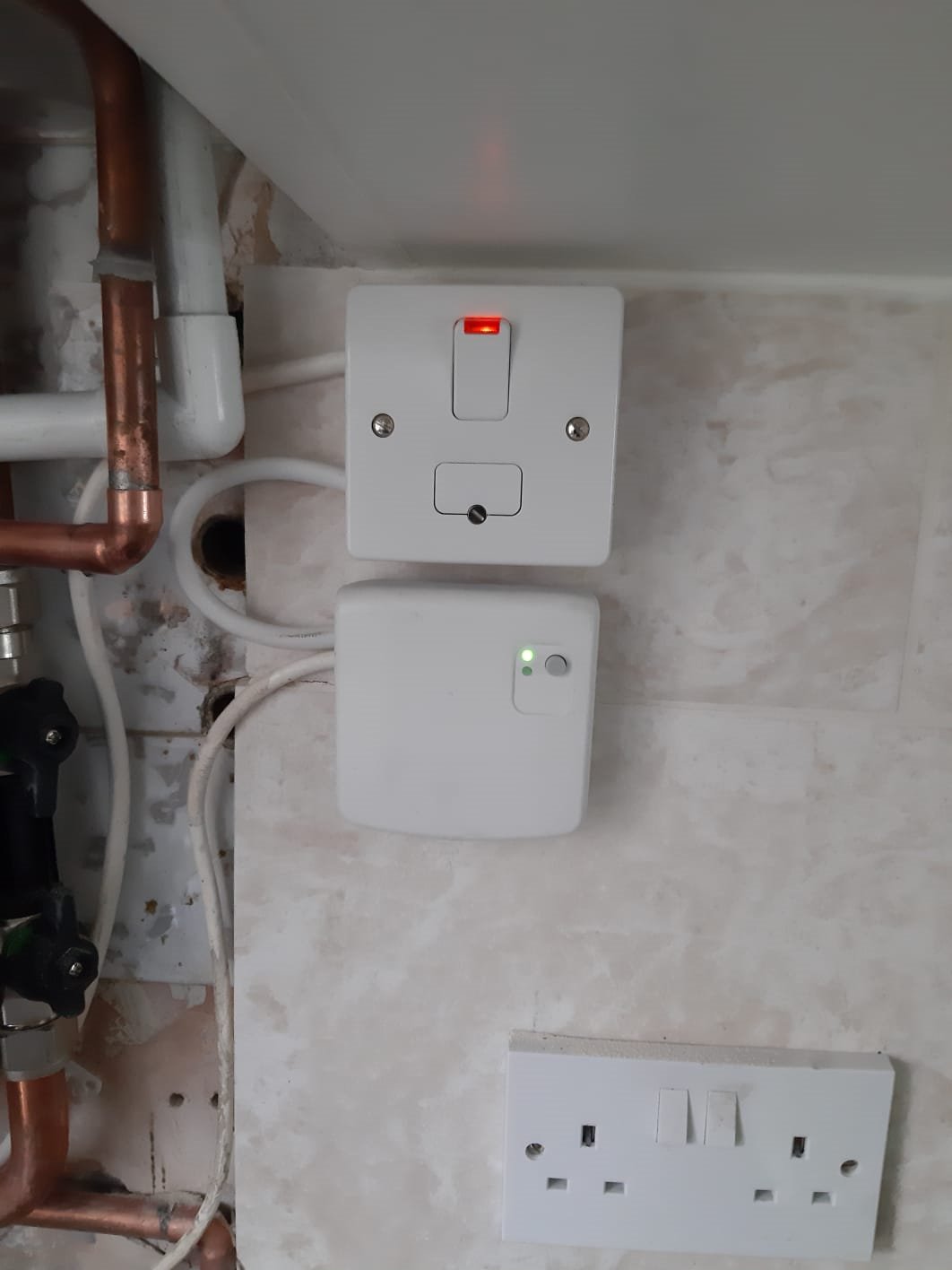
A heating engineer configures the system by setting thermostats, programmers, TRVs, and smart controls. The engineer explains to the users how to operate the boiler, check its pressure, and use different controls. This explanation ensures that consumers use the new boiler correctly to maintain maximum efficiency, safety, and lifespan. The new boiler is ready to use after its correct installation, staying compliant with the Health and Safety at Work Act 1974 and the Health and Safety at Work etc. Act 1974.
How does boiler installation differ by boiler type in the UK?
Boiler installation differs by boiler type in the UK due to system design, hot water storage, fuel type, pressure requirements, and Building Regulations (Part L, Part G, and Gas Safe rules).
An installer must assess the main water pressure to ensure that the central heating system follows the minimum operating pressure requirement of 1.0–1.5 bar and the minimum flow rate of 10–12 litres per minute during the installation of a combi boiler. The manufacturer specifies the minimum water pressure rate and flow rate requirement. According to the Gas Safety (Installation and Use) Regulations 1998 – Regulation 26(9), an installer must install a boiler by following the manufacturer’s instructions. The boiler may fail to ignite, or consumer experience fluctuations in hot water temperature if the pressure is below the minimum specified limits.
- Combi boilers heat water on demand, so the installer removes tanks and cylinders while making major changes in the pipework. The combi boiler installation process requires additional installation of a pressure relief and filling loop.
- System Boiler Installation process includes additional assessment of cylinder size & location, removal of cold-water tank (if upgrading), retention or resizing of Cylinder coil connections. A Gas Safe registered engineer performs cylinder safety checks and explains the cylinder heating schedule to the user during the system boiler installation.
- Regular (Heat-Only) Boiler Installation process includes additional assessment of loft tank condition and gravity-fed checks, as the system relies on gravity by a Gas Safe engineer.
This process does not include mains pressure testing because a heat-only boiler is commonly installed in the Old UK properties with low mains pressure. Minimal modification in the pipes and connections, and no sealed system conversion is required when replacing like-for-like, because the existing system architecture already matches the boiler design.
How much does a new boiler installation cost in the United Kingdom?
A new boiler installation costs £600 to £2500. £4,500 in the United Kingdom, and it includes the cost of a unit, which ranges from £500 to £3,500 for the unit itself, and an extra fee for labour and installation. The cost of a new boiler installation depends on different factors, such as boiler type, brand, fuel source, and installation complexity.
The cost of a system boiler installation in the UK is £2,500 – £3,500, a conventional boiler installation is £3,000 – £4,500, and an oil combi boiler installation is £2,500 -£4,000. The cost of installing an electric boiler is £1,500 – £5,000, and the price for biomass boiler installation is £9,000 – £20,000.

The cost of installing a new boiler is £1,500 and £3,500 in Edenbridge, and a new boiler costs between £2,000 and £4,800 in London. The cost of installing a new boiler ranges between £2,400 and £3,800 in Sheffield. New boiler installation costs around £1,600 to £4,000 in Plaxtol. The cost of a new boiler installation is £1099 to £5,000 in Glasgow.
The boiler cost for a 3 to 4-bedroom house is £700 to £2,900, with an additional £1,000 – £2,000 for installation fees. The combi boiler installation cost is around £700 to £3,402 for a 1-2 bed flat with 6 radiators, £800 to £3,646 for a 2-bed house, £1000 to £4250 for a 3-bed house with 8 radiators, £1000 to £5100 for a 4-bed house with 9 radiators, and £1200 to £6000 for a 5-bed house with 10 radiators.
Is it cheap to install a new boiler in the UK?
No, it is not cheap to install a new boiler in the UK because the cost of a new unit is around £700 to £2,900, with an additional fee of £1,000 – £2,000 for hiring a Gas-Register Heating engineer for installation.
According to the Gas Safety (Installation and Use) Regulations 1998, only a Gas-Register heating engineer can install a new boiler and register this installation; hiring any other person is illegal. There are some additional costs for installing new system controls, such as a thermal shut-off valve and room thermostat. Many modern boilers are energy-efficient but highly expensive. Biomass Boilers cost between £10,000 and £31,000 to purchase and install for a residential property, with an average installation costing around £13,200–£18,000 for an automatically fed pellet system.
How long does it take to install a new boiler in the UK?
It takes 6 hours to 4 days to install a new boiler in the UK. A Gas Safe engineer requires 1 to 2 days for the installation of a combi boiler when there is no existing boiler in place. A landlord may switch from one type of boiler to another. A Gas Safe engineer requires 2 to 3 days to replace an old combi boiler with a heat-only and system boiler. A landlord decides to change the position of a new boiler to another place. A gas safe engineer requires 3 to 4 days to change the type and position of a new boiler during installation.
Who can install a Boiler in the UK legally?
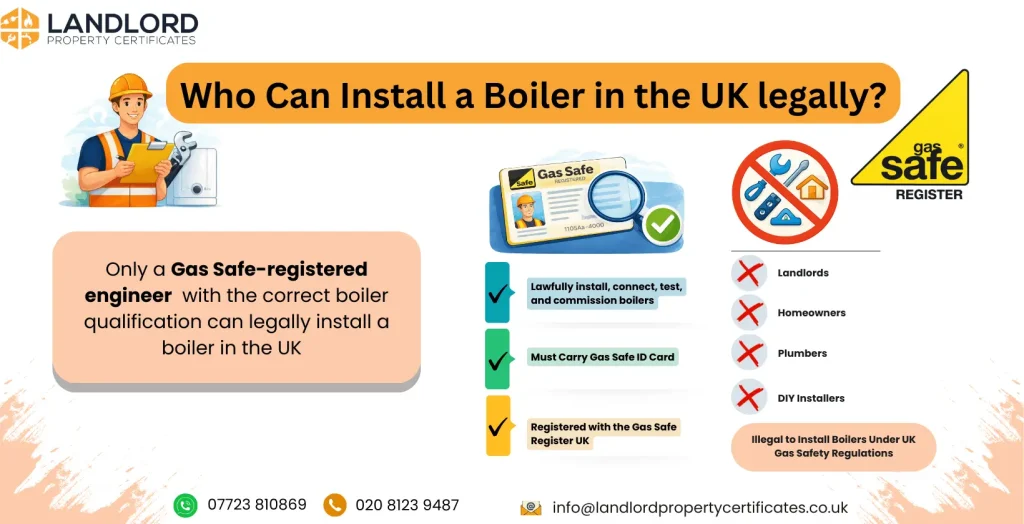
A Gas Safe-registered engineer with specific qualifications (CCNI, CEWAT1, HTR1 ) for gas work and the particular boiler type can install a boiler in the UK legally, under the Gas Safety Regulations 1988. Only a Gas Safe Registered Engineer can lawfully install, connect, test, and commission a boiler, according to the Gas Safe Register UK.
A Gas Safe-registered engineer can provide boiler installation services in London, because the person is a qualified and well-trained engineer who is registered with the Gas Register (the legal gas safety body in the UK). It is illegal for other people, such as landlords, homeowners, plumbers, and DIY enthusiasts, to carry out boiler installation under the Gas Safety Regulations 1988.
Qualifications required to become a gas-safe registered engineer for domestic gas include ACS (Accredited Certification Scheme) qualifications, such as CCN1 (learning the fundamental gas safety principles), CENWAT 1( Certification for working on central heating systems and boilers), and HTR1 (Heating & Hot Water Systems). HTR1 is a Domestic Gas appliance certification required for boiler installation in the residential space. A Gas engineer requires additional qualifications for commercial gas and installation, such as COCN1 (Core Commercial Gas Safety Course), CODNCO1 (Changeover Domestic to Commercial), ICPN1 ( Installation First Fix on Commercial Pipework), and CIGA1 (Indirect Fired Commercial Appliances).
A gas safe registered engineer carries an identity card (ID). The ID card of a Gas Safe registered engineer features a photograph of the engineer on the front side alongside a registration number and expiry date. On the reverse/back side of an ID card, different work categories (gas fire, boilers) that the engineer is qualified to handle are mentioned. Consumers must check the ID of an engineer before getting boiler installation services in the UK. Consumers can check a Gas-Safe Registered Engineer or company on the official website of the Gas Safe Register in the UK.
The boiler installation in London by a Gas Safe-registered engineer must comply with Building Regulations (Part L for energy efficiency) and the Gas Safety Regulations 1998 to ensure that the system works safely and efficiently.
According to the Health and Safety Exceutive/ HSE in the UK, a Gas Safe-registered engineer must install, replace, or modify a gas boiler. Other tasks that are legally restricted to Gas Safe Registered include safety checks and commissioning, testing combustion, checking gas tightness, modifying ventilation and flue routine, and connecting gas pipework to the appliance.
Can a landlord install a boiler in a property?
No, a landlord cannot legally install a boiler in a property unless they are a qualified and Gas Safe registered engineer. Boiler installations require specific expertise to comply with safety regulations, and only certified professionals are legally permitted to carry out such work. A Gas Safe registered engineer provides a Building Regulations Compliance Certificate, an important landlord certificate under landlord certificates in London, UK, requirements, after registering a new installation with the local authority and in the Gas Register.
What is the best boiler installation company in London, UK?
The Landlord Property Certificate is the best boiler installation company in London, UK, because the company provides services of fully insured gas-safe engineers who install a new boiler by following compliance requirements. Homeowners and landlords get a Building Regulations Compliance Certificate after our gas engineer registers the installation with the local authority and the Gas Register.
Can a tenant install a boiler in a property?
No, a tenant cannot install a boiler in a property. A Gas Safe-registered engineer must carry out boiler installations to ensure safety and compliance with regulations. Tenants do not have the legal qualifications or permissions to carry out such work.
How long does a new boiler last?
A new boiler lasts 10 to 15 years with proper maintenance. The 5 factors affecting the lifespan of a boiler include types of boiler (combi, electric), usage intensity (high, low), water quality (hard, soft), regular servicing, and installation quality. The lifespan of Worcester Bosch or Viessmann boilers is 15+ years with good maintenance, while the Vaillant boiler lasts for 12-15 years. According to consumers, Ideal boilers last for an average of 8-12 years. A landlord or property owner should not install a new boiler every year.
How often should a boiler be installed in your property?
A boiler should be installed every 10 to 15 years, as a general rule of thumb, because the lifespan of a system, combi, or heat-only boiler is 10 to 15 years. There is no legal requirement to replace a boiler after a specified time. Homeowners or landlords install and replace a boiler after 8-10 years if a boiler is not energy efficient, obsolete, or damaged.
What are the UK Regulations about installing a boiler?
The five UK Regulations about installing a boiler include the Gas Safety Regulations 1998, Building Regulations 2002 (approved document J and L), Boiler Plus Regulations 2018, the Gas Safe Register 2009, and the Clean Air Act 1993.
- Gas Safety (Installation and Use) Regulations 1998: Gas Safety (Installation and Use) Regulations 1998 were implemented on 31 October 1998 and apply to all gas boilers and gas appliances. This law applies to England, Scotland, and Wales. According to the Gas Safety Regulations 1988, only a Gas Safe-registered engineer can install a new boiler. Safe installation must be done to prevent explosions, carbon monoxide exposure, and gas leaks. It is the legal duty of the landlord to protect tenants through the safe installation and provision of a boiler. The Health and Safety Executive enforces the Gas Safety (Installation and Use) Regulations 1998, and the installation of a gas boiler without a Gas-Safe engineer is considered illegal.
- Building Regulations 2002: Building Regulations were enforced on 1 April 2002 in England. These regulations are regularly updated year after year. According to the Building Regulations (Approved Document L – Conservation of Fuel and Power), new boilers must be energy efficient with mandatory controls for thermostats, programmers, and TRVs. A boiler must be accurately sized for the property to prevent inefficient or oversized boiler installations. According to the Building Regulations (Approved Document J – Combustion Appliances and Fuel Storage Systems), an engineer must remove and position the flue safely, as an incorrect position causes carbon monoxide poisoning. There must be proper ventilation for combustion. The system must be installed and operated in a manner to protect against carbon monoxide buildup.
- Boiler Plus Regulations 2018: Boiler Plus Regulations are implemented only in England on 6 April 2018 and apply to Gas combi boiler installations. According to Boiler Plus regulations 2018, a modern gas combi boiler must have a minimum boiler efficiency of 92% ErP and at least one additional energy-saving control (weather compensation or smart thermostat) to deliver real-world efficiency savings.
- Gas Safe Register 2009: Gas Safe Register was established in 2009 and applies to all four constituent countries (England, Scotland, Wales, Northern Ireland) in the United Kingdom. According to the Gas-Safe register 2009, the installation of a new boiler must be registered and notified to the Gas Safe.
- Clean Air Act 1993: Smoke Control & Air Quality Rules (for solid fuel/biomass boilers) are enforced UK-wide under the Clean Air Act 1993. According to this regulation, there are strict emission limits, such as around 300 mg/m for carbon monoxide emissions and around 300 mg/m for biomass appliances. The Department for Environment, Food & Rural Affairs/DEFRA-approved appliances are allowed in Smoke Control Areas.
Can a tenant move into a property with no boiler?
No, a tenant can not legally move into a property with no boiler in the UK. Landlords must provide adequate heating and hot water under the Homes (Fitness for Human Habitation) Act 2018 and the Landlord and Tenant Act 1985, making the property unfit for habitation and potentially unsafe.
Should a tenant move to another location while installing a boiler?
No, a tenant should not move to another location while installing a boiler. A tenant might temporarily move to another location when installation work is extensive, space is small, or gas or water must be shut off for a long period.
What types of boilers are easy to install?
Combi boilers are easy to install due to the boiler’s compact system, minimal pipe work reuirement and no requirement of a hot water cylinder or cold-water storage tank, and need minimal pipework. System boilers are easy to install, except when replacing an existing system boiler, because most pipework is reusable. Regular (heat-only) boilers are easy to install only in older properties that already have tanks and a cylinder because installers use existing infrastructure and install a new system without system redesign.
What types of boilers are cheap to install?
Combi boilers are cheap to install because there is no hot water cylinder or cold-water tank. Installation requires a few pipes and fittings, with the average installation (boiler + labour) cost being £1,500–£2,500 in the UK. Regular heat-only boilers are cheap to install in older homes where a system already exists, so installers use existing tanks and cylinders alongside a simple boiler unit. Minimal configuration in the older properties reduces the installation cost of a regular boiler.
What types of boilers last long in a property?
Biomass boilers last long in a property with a lifespan of 20 to 30 years because biomass boilers are built with heavy-duty steel heat exchangers, so boilers operate at low pressure, causing less stress on the components. A conventional boiler has a life span of 10-15 years if serviced and well-maintained annually. A system boiler lasts for 10 to 15 years because most components are fully integrated into the system, requiring less maintenance.
What happens if a boiler is installed incorrectly?
If a boiler is installed incorrectly, it causes major safety hazards such as gas leaks, explosions, fire, and Carbon Monoxide (CO) poisoning. Consequences of installing the boiler not perfectly are fines (£1000 to £2000) and prosecution for illegal boiler work because improper installation is a breach of the Gas Safety (Installation and Use) Regulations 1998 (SI 1998/2451).
The incorrect installation of a boiler invalidates home insurance, leading to insurance claim refusal. Improper boiler installation makes it difficult for the homeowner to sell the property in the future. A poor boiler installation causes inefficient heating, more frequent breakdowns, reduced lifespan, and higher energy bills.
Is there any guarantee or warranty for new boiler installation?
Yes, there is a standard 2-year manufacturer’s warranty for new boiler installations. Every user needs to service the boiler every year to make sure the new boiler’s warranty is valid for year 2.
Does installing a new boiler increase property value?
Yes, installing a new boiler increases property value by 4%, according to a 2018 study by GoCompare and Henry Pryor.
Does installing a new boiler improve energy efficiency?
Installing a new boiler improves energy efficiency, especially if your existing boiler is old (10‑15+ years) or non-condensing. New boilers have higher rated efficiency, but actual savings depend on how the system is set up and used; the main factors at play are system controls, flow temperature, and insulation.
Boiler Plus regulations in the UK require new gas boilers (from April 2018) to have ≥92% ErP efficiency, time and temperature controls, and, for combi boilers, an extra efficiency measure like weather compensation, load compensation, smart controls, or flue gas heat recovery, to boost home energy efficiency and meet carbon targets. These are mandatory standards for installers under Building Regulations.