
A landlord inspection is a routine check in the UK to assess the condition of a rental property. Landlords or their letting agents carry out property checks to catch maintenance issues before they worsen. Landlords check for damp, signs of damage, cleanliness, and whether safety equipment works, including smoke and carbon monoxide alarms. Landlords also verify that tenants are sticking to the lease, looking out for things like unapproved pets or unlawful subletting.
The Landlord and Tenant Act 1985 sets strict legal rules around these visits. These rules include that landlords must give at least 24 hours’ written notice before they show up. Landlord visits must also be scheduled during reasonable hours. These legal standards protect every tenant’s statutory right to privacy and quiet enjoyment.
What is a landlord property inspection?
A landlord property inspection is a formal, prearranged walkthrough of the rental property to assess a home’s physical state and enforce the tenancy agreement.
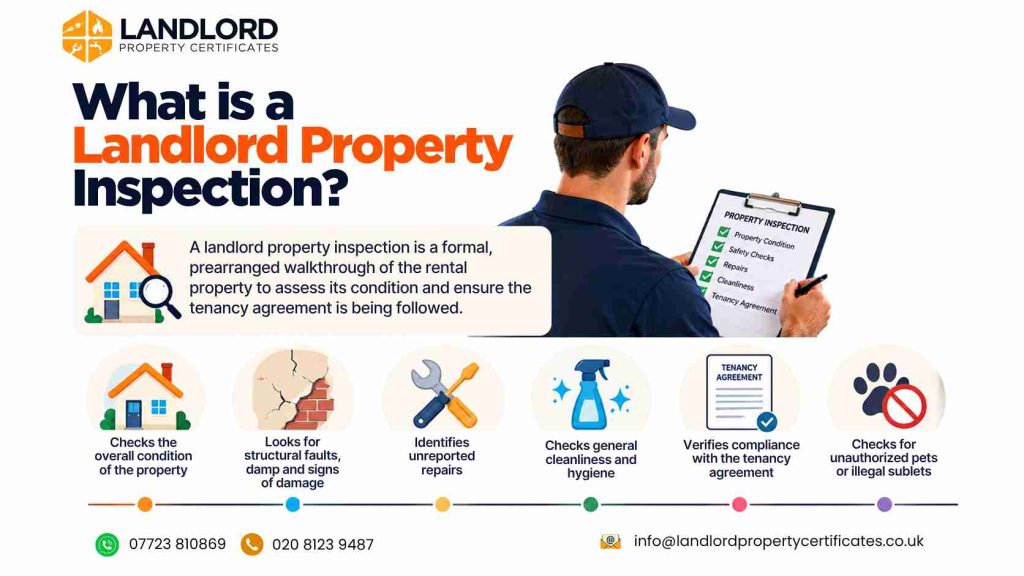
The legal owner of the rental property carries out this critical assessment directly, or has an appointed letting agent or hired property manager do it on their behalf. The property inspector checks for structural faults, unreported repairs, damp, and general hygiene during this routine review. The property inspector also verifies that tenants have not breached the lease with unauthorized pets or illegal sublets. This inspection and documentation protect the owner’s asset and help keep the property safe, legally sound, and fit for tenants.
What is checked in a Landlord property Inspection?
The things checked in a Landlord property Inspection are listed below.
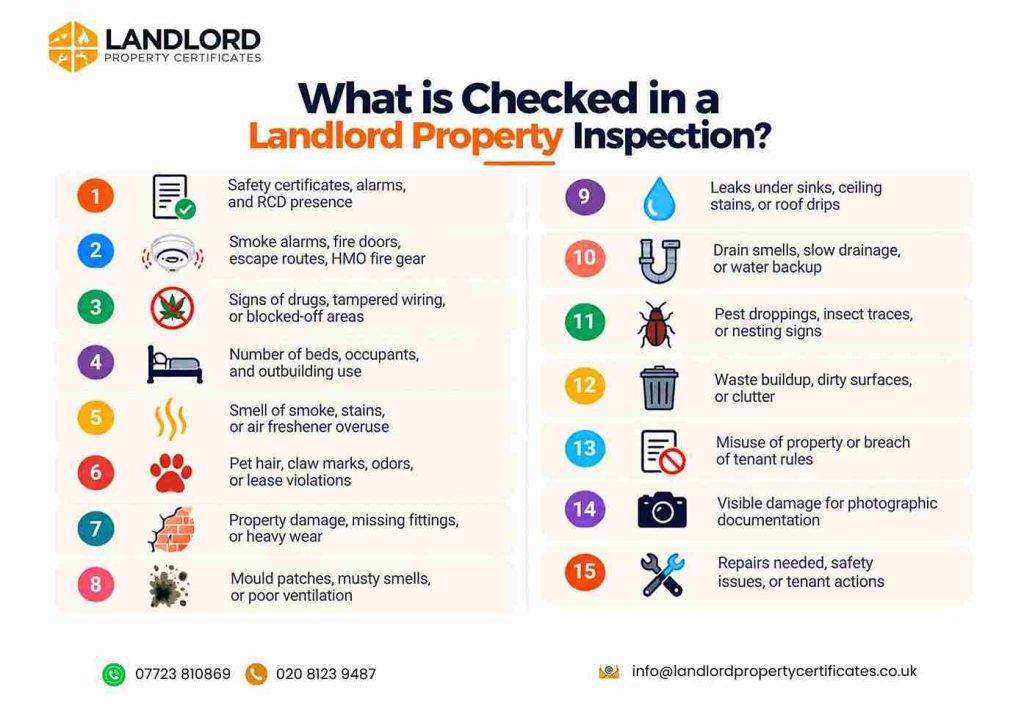
- Safety certificates, alarms, and RCD presence
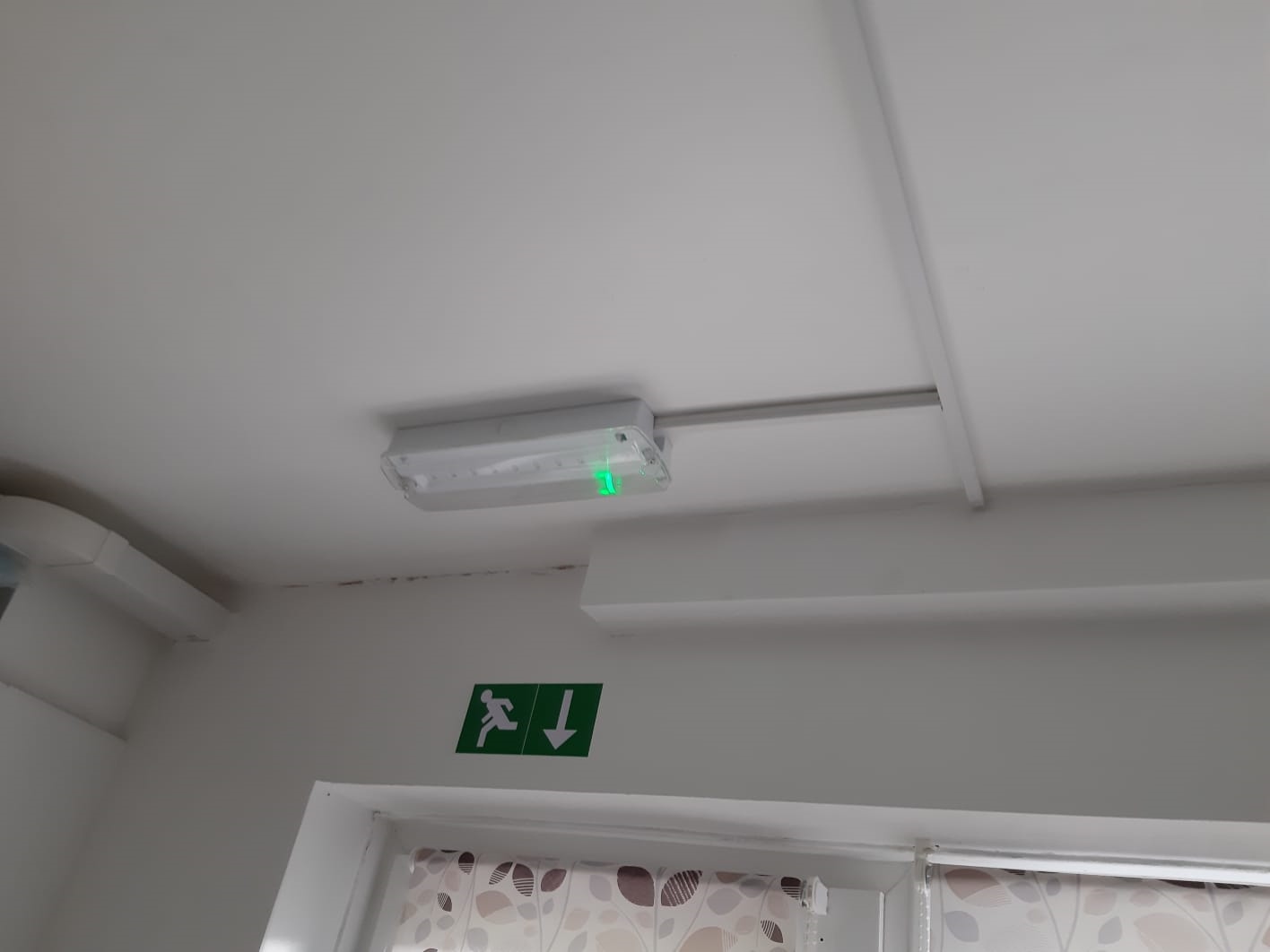
- Smoke alarms, fire doors, escape routes, HMO fire gear
- Signs of drugs, tampered wiring, or blocked-off areas
- Number of beds, occupants, and outbuilding use
- Smell of smoke, stains, or air freshener overuse
- Pet hair, claw marks, odors, or lease violations
- Property damage, missing fittings, or heavy wear
- Mould patches, musty smells, or poor ventilation
- Leaks under sinks, ceiling stains, or roof drips
- 1Drain smells, slow drainage, or water backup
- Pest droppings, insect traces, or nesting signs
- Waste buildup, dirty surfaces, or clutter
- Misuse of property or breach of tenant rules
- Visible damage for photographic documentation
- Repairs needed, safety issues, or tenant actions
1. Safety certificates, alarms, and RCD presence
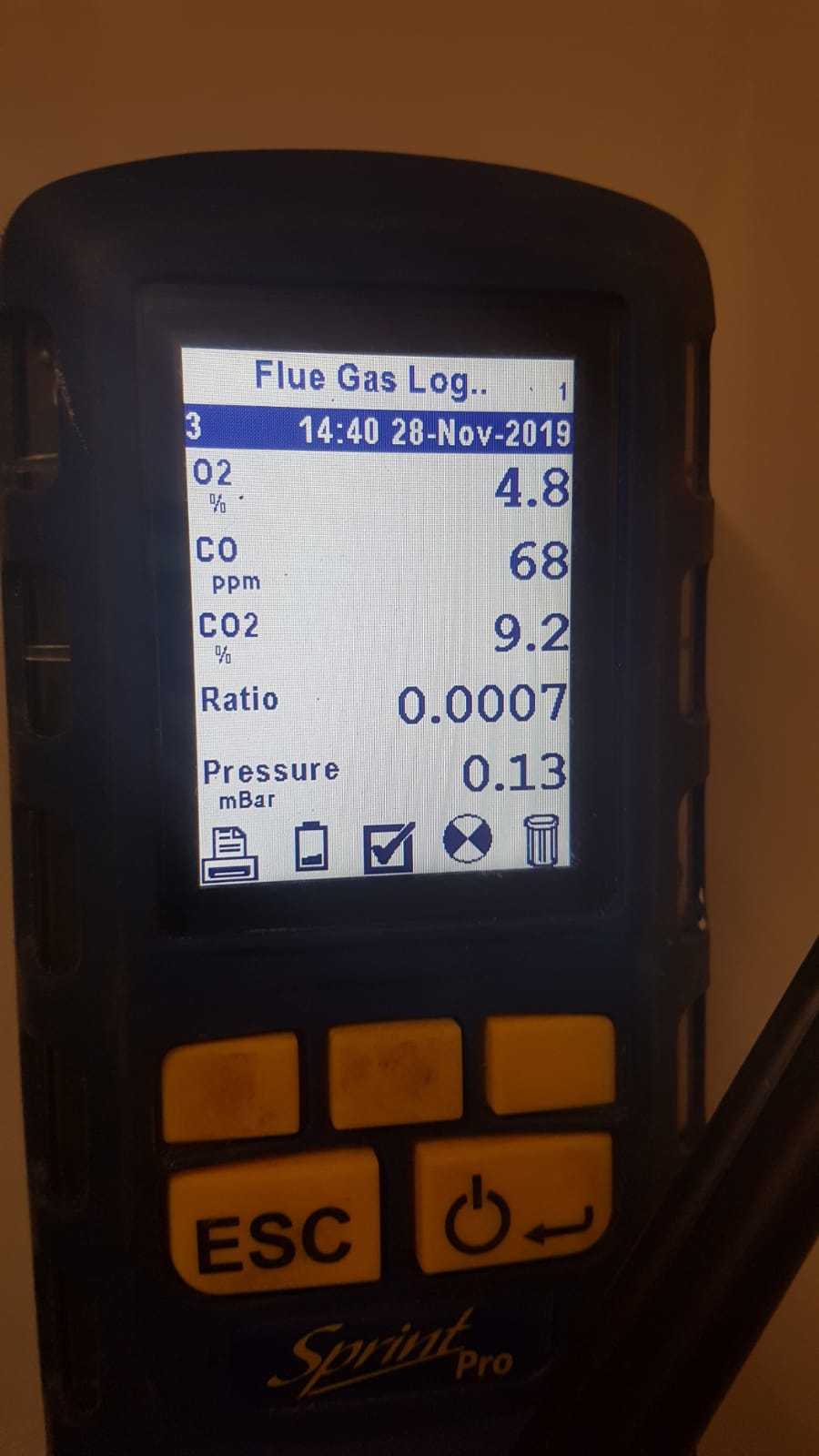
Ensure that every required safety certificate, alarm, and electrical defense meets current housing law when carrying out a property inspection in the UK. The property inspector reviews utility paperwork to confirm the yearly Gas Safety Certificate (CP12) is valid, and the broader Electrical Installation Condition Report (EICR) has not lapsed, confirming the core utilities are legally safe to run. These inspectors also test the smoke and carbon monoxide detectors on site and complete paperwork to confirm they work and protect occupants from immediate, deadly hazards.
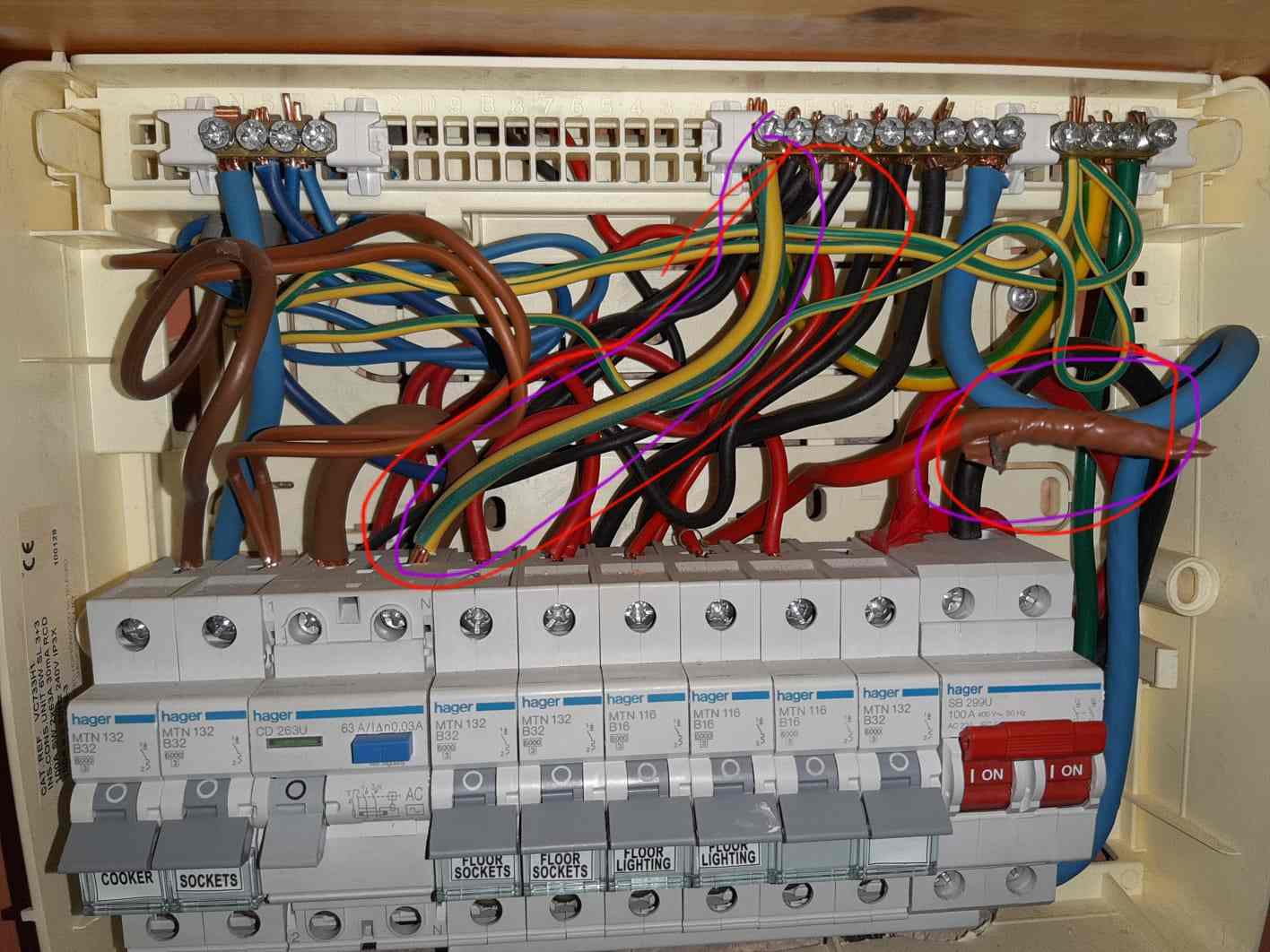
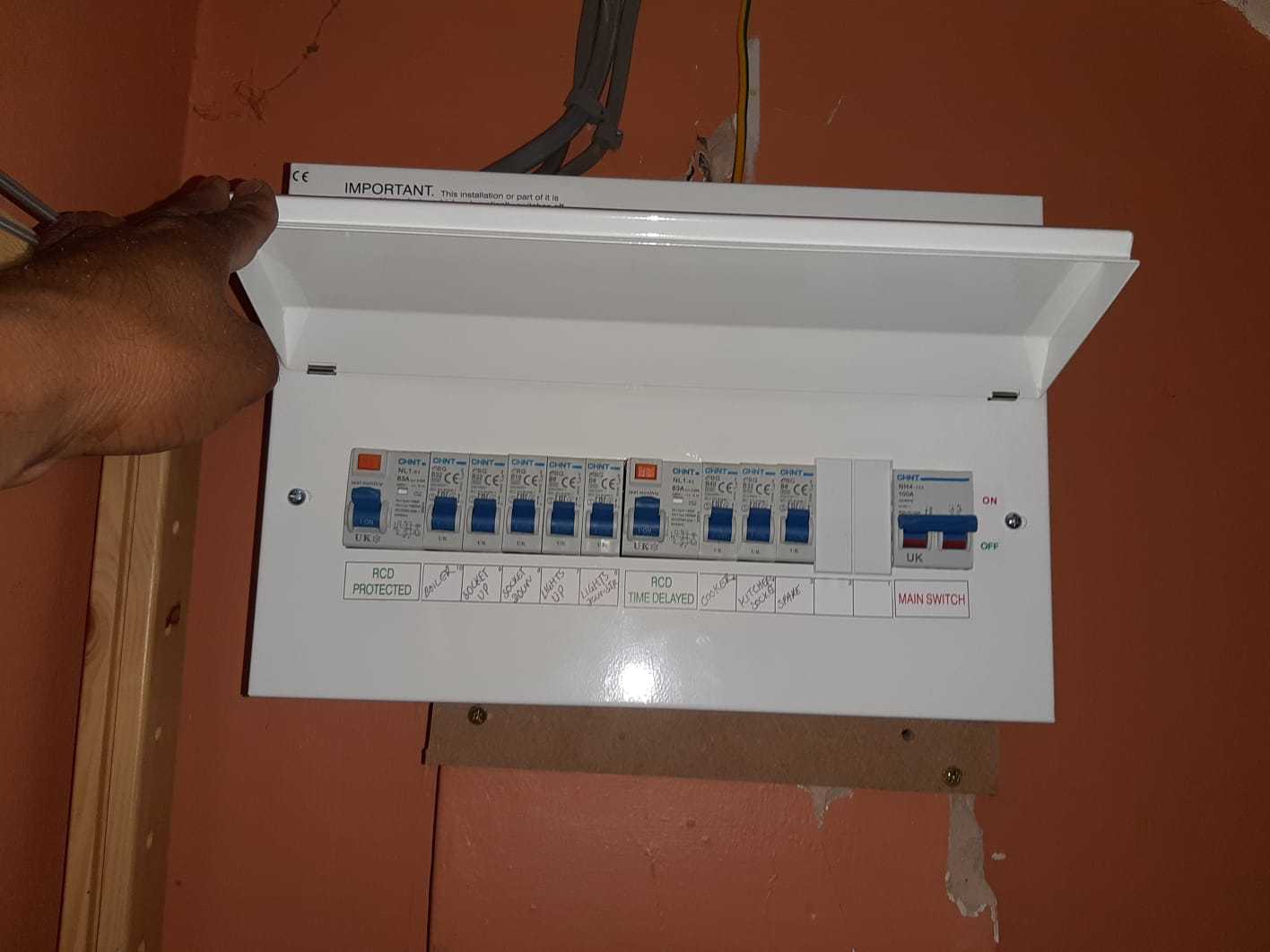
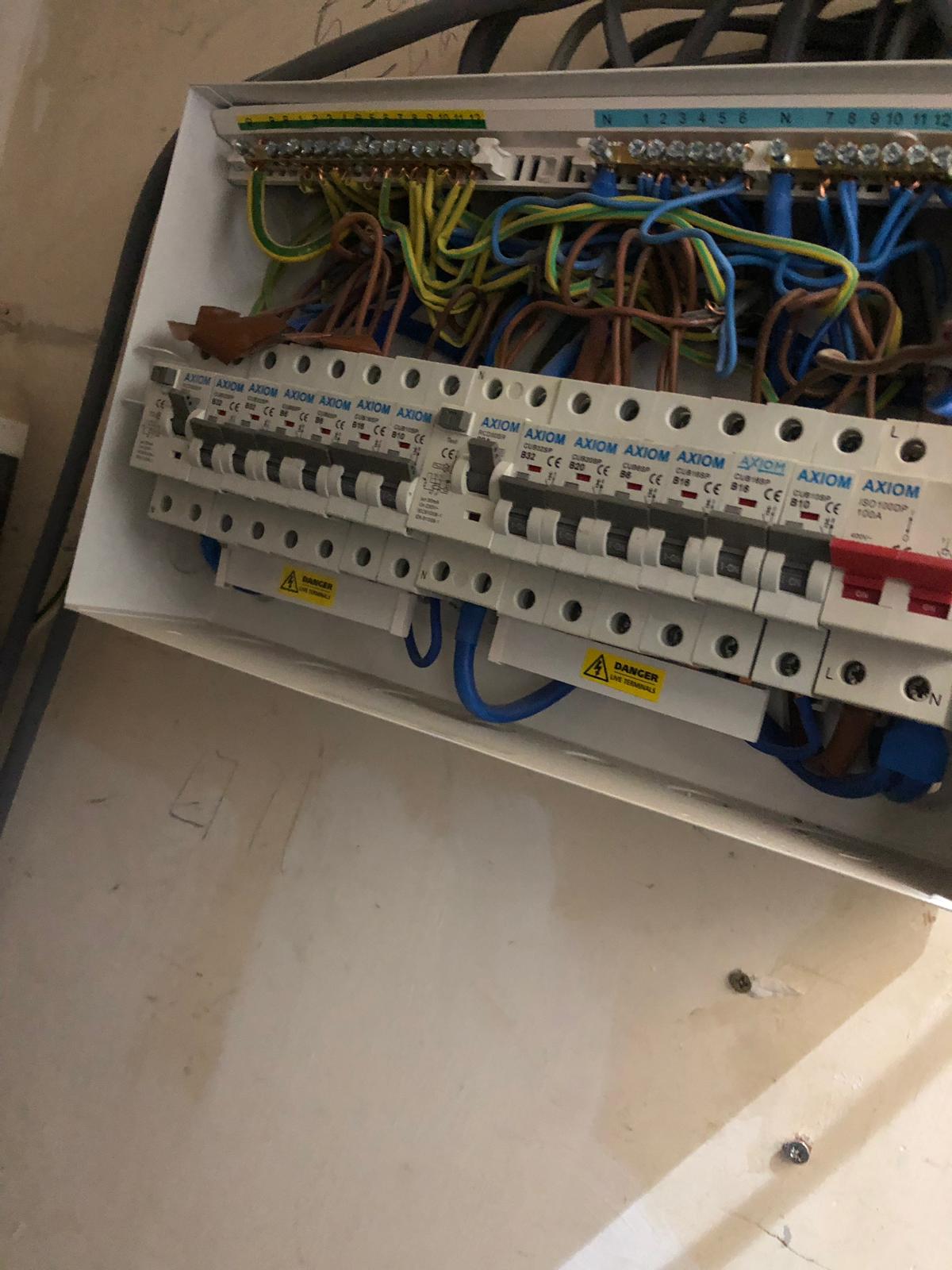
Property inspectors also check the main fuse box to make sure a working Residual Current Device (RCD) is fitted, which is necessary to prevent dangerous electric shocks. These inspectors check that any electrical items provided by the landlord, like kettles or washing machines, have had a Portable Appliance Test (PAT) where the law demands it.
2. Smoke alarms, fire doors, escape routes, HMO fire gear
Landlord inspections assess fire safety and emergency readiness by law (Fire Safety Act 2021) to protect tenants. These inspectors methodically check that smoke alarms are fitted and working on each level of the home, alongside confirming carbon monoxide (CO) alarms are properly set up wherever there are solid fuel appliances. These inspectors also walk every designated escape route to ensure it is wide open, accessible, and not blocked by hazardous clutter.
These checks also include verifying that every internal fire door shuts fully on its own, without being unlawfully propped open or obstructed. These inspectors also confirm that required safety equipment, like fire blankets and fire extinguishers, is ready and properly placed in shared spaces where the home is run as a House in Multiple Occupation (HMO).
3. Signs of drugs, tampered wiring, or blocked-off areas
A key part of a property inspection is watching for illegal activity or unauthorized modifications that make the property hazardous. The property inspector looks for illegal activity, flagging any visible drug paraphernalia or unusual chemical odors that indicate drug production on the premises. These inspectors also watch closely for obstructed doors or intentionally hidden spaces that prevent a full, transparent review of the property.
These inspectors must also look for major safety threats, paying special attention to altered or bridged electrical wiring, which is outright banned and creates a major fire hazard. Property inspectors watch for signs of cannabis cultivation, such as high-intensity lighting or unusual ventilation changes, all of which pose severe structural and legal hazards for the rental property.
4. Number of beds, occupants, and outbuilding use
A landlord inspection rigorously checks headcounts, bed numbers, and outbuilding use to stop illegal overcrowding and hold tenants to their contract. Property inspectors review bedrooms and living spaces to see whether mattresses or beds outnumber the approved occupants as they walk through the property. These inspectors also watch for signs that unlisted people are living there long-term, checking if temporary visitors have essentially moved into the property without the landlord’s clear legal permission.
The property visit also includes a thorough check of outside buildings to confirm tenants have not turned garages, sheds, or outhouses into informal sleeping quarters, which severely breaches the lease, endangers safety, and violates local housing rules.
5. Smell of smoke, stains, or air freshener overuse
Landlord inspections include checking for smoke odors, stains, or overuse of air fresheners because indoor smoking breaches standard lease terms and causes lasting damage. Property inspectors watch for stale tobacco odors or any sudden blast of air freshener that a tenant sprays to hide them.
Inspectors also look for physical signs, such as yellow nicotine residue on ceilings or walls that requires a specialized paint job. The walkthrough also includes a careful check for permanent damage, including cigarette burns on the provided flooring or furniture. Documentation of these indicators helps keep the rental in good repair and ensures indoor smoking bans are strictly upheld.
6. Pet hair, claw marks, odors, or lease violations
Strict enforcement of the tenancy agreement requires landlords to check for unapproved pets or the damage they cause during an inspection. These inspectors check the property thoroughly for tangible traces, like pet hair clinging to supplied furniture or carpets. These inspectors also check for permanent structural damage, with claw scratches on walls or doors singled out for specific attention.
The property inspector also looks for distinct indoor animal smells that make it obvious an unauthorized pet is living there. Detailed recording of this inspection provides landlords with a legal basis to prove an outright breach of pet rules in the lease or headlease, protecting the investment from hidden animal damage.
7. Property damage, missing fittings, or heavy wear
Landlord inspections include checks for damaged property, missing fittings, and wear beyond what is normally expected. The property inspector methodically checks for fresh or unreported damage to the walls, doors, or floors as they move through the rental unit. These inspectors also carefully check the property’s features to identify any original fixtures or fittings that have disappeared or been swapped out without permission.
The inspector takes an objective look at the property as a whole and records clear instances of wear that exceed what the law allows as fair wear and tear. A detailed property inspection protects the physical asset while ensuring tenants are responsible for unreasonable damage.
8. Mould patches, musty smells, or poor ventilation
Landlord inspections include checking for damp, mould, and poor airflow, which helps protect the building’s structure and the tenant’s health. Property Inspectors look for mould patches and sniff out musty odors, both major warning signs of excess indoor moisture. These inspectors also methodically check interior surfaces for flaking paint or water-stained walls, both of which point to chronic water intrusion.
This assessment depends heavily on checking for proper airflow, especially in damp-prone rooms like the kitchen or bathroom, to stop condensation from building up. These inspectors also watch for subtle dampness on exterior walls or roof drips, catching structural flaws early so they are fixed before they ruin the interior.
9. Leaks under sinks, ceiling stains, or roof drips
A landlord inspection systematically checks for under-sink leaks, stained ceilings, and roof drips to prevent major water damage. These inspectors check every plumbing fixture, catching leaking pipes under sinks or dripping taps that need fixing straight away. They also look indoors for hidden damp, paying special attention to stained patches on ceilings or by windows that indicate active leaks.
This landlord property check also covers overflowing gutters and cracked downpipes that let rainwater pool right against the foundation. The property inspector also checks the roof or attic for clear signs of water intrusion, helping keep the rental watertight and protected from the weather.
10. Drain smells, slow drainage, or water backup
Landlord inspections include checking the plumbing for slow drains, sewer odors, or backed-up water, which helps keep big pipe repair bills and serious health risks at bay. These inspectors test each fixture to catch sinks, showers, or toilets draining slowly, which point to a restriction deeper in the pipes. These inspectors also listen for bad smells around drains and plugholes, since those point to rotting organic matter.
This review also involves checking around the base of fixtures for visible traces of recent water backups or overflows. The property inspector checks the pipes for obvious tenant-caused clogs, such as poured grease or flushed non-degradable items, so the tenant is responsible for clearing and upkeep.
11. Pest droppings, insect traces, or nesting signs
Landlord inspection is mandatory to keep the home safe and sanitary and requires a methodical look for pests. Property inspectors closely check out-of-the-way corners and cupboards for signs of insect or rodent droppings. Structural damage is a primary focus, with the inspector watching for chewed items, actual nests, or newly created entry points. These inspectors also check any earlier pest sightings tenants reported that haven’t been addressed yet during the walkthrough. They also check general upkeep across the property to catch piled-up food scraps or heavy clutter that attracts pests.
12. Waste buildup, dirty surfaces, or clutter
The landlord inspects the property’s overall cleanliness. The property inspector looks for large rubbish piles, grime on surfaces, or clutter that poses a hazard. These inspectors look methodically for major grime build-ups or decaying food as they move through the property. These inspectors also flag surfaces left uncleaned for long periods if tenants clearly breach the tenancy terms.
These inspector also checks how the tenant’s belongings are arranged, making sure heavy clutter does not obstruct fire exits or key ventilation. The inspector also notes any general neglect that creates serious hygiene issues. Maintenance of this strict standard keeps the building structurally sound and free of sanitary risks.
13. Misuse of property or breach of tenant rules
Landlord inspections include catching active property misuse or outright violations of tenant rules. The property inspector looks for telltale signs of lease breaches, including evidence of unapproved pets, smoking inside, or unlawful subletting. These inspectors also look for broader mistreatment or intentional damage by tenants that goes beyond normal daily wear. These inspectors also note tenants who fail to report needed repairs or maintenance right away, since letting issues slide breaches standard lease terms and turns minor fixes into major, expensive structural damage.
14. Visible damage for photographic documentation
A thorough property inspection systematically logs visible damage with photos to keep an accurate, legally sound record of the rental’s condition. Property inspectors take clear, high-resolution photos of any fresh or ongoing damage to show the exact condition of furnishings, walls, and fixtures. These inspectors write detailed notes that match these new photos against past reports, creating an objective record of wear over time to keep things in perspective. The inspector updates the official inventory or condition checklist with these photos. This practice gives the owner solid written proof to settle any later arguments over whether damage counts as fair wear and tear or tenant neglect.
15. Repairs needed, safety issues, or tenant actions
A landlord inspection ends with a clear action plan that spells out required repairs, safety concerns, and steps the tenant must take. The property inspector prepares a final list of structural fixes and required maintenance, covering everything the landlord must fix right away to meet legal standards and keep the place habitable. These inspector also sends the tenant formal reminders to comply with the agreement if the walkthrough turns up minor lease violations, such as an untended garden or poor ventilation. The official landlord inspection report serves as a binding legal record by noting any verbal advice and the steps both sides agreed on, giving everyone a clear plan to resolve property issues to prevent future conflicts.
What is a landlord’s property inspection checklist?
A property inspection checklist is a detailed, structured form for systematically evaluating and logging the exact condition of a rental property.
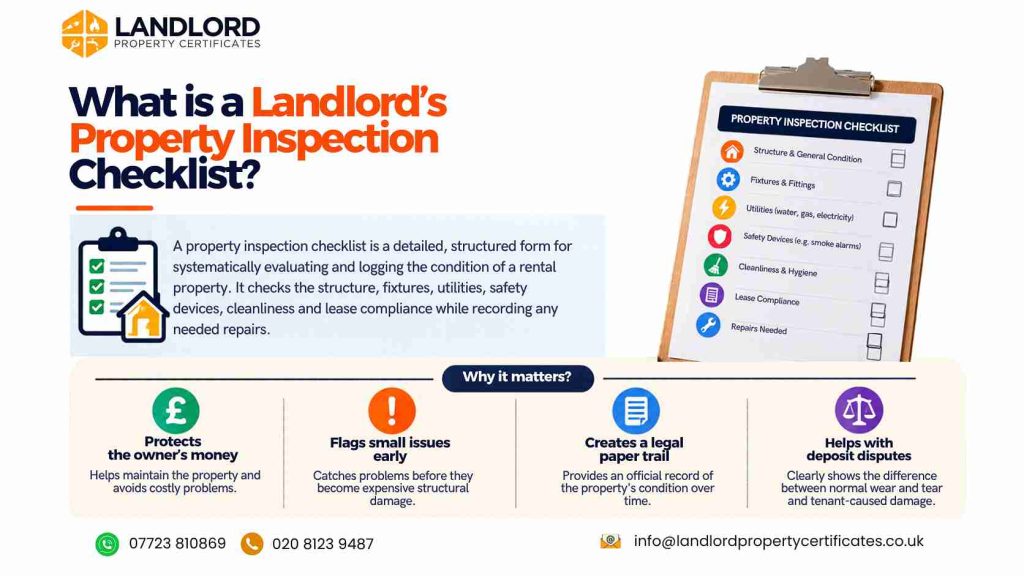
This checklist works room by room, checking the structure, supplied fixtures, utilities, and required safety devices such as smoke alarms. This checklist also covers overall cleanliness, confirming lease compliance while catching needed repairs. This checklist matters because it creates an official, legally solid paper trail that tracks the home over time. The landlord inspection checklist protects the owner’s money, flags small issues before they become expensive structural problems, and helps settle move-out deposit disputes fairly by drawing a clear line between normal wear and tear and tenant-caused damage.
What are the Laws about landlord inspections in the UK?
The Laws about Landlord inspection in the UK are listed below.
- A landlord cannot enter the rental without your agreement, and you are always within your rights to turn them away if the timing doesn’t work for you.
- A landlord must give you written notice at least 24 hours before inspecting the property.
- A landlord inspects the house only when you are not there and only with your explicit agreement to let them in.
- Landlords can not photograph your private personal space while taking pictures or videos to keep a record of needed repairs and damage.
- A landlord’s responsibilities in the UK include inspecting every room, the outbuildings, and the garden area to confirm the property stays in good shape.
- A landlord cannot look through your personal belongings, pull open your drawers, or go into your wardrobes.
- Repeated landlord visits without a legitimate cause cross into tenant harassment, which means the landlord is actively breaking the law.
- Routine visits by the landlord every three, six, or 12 months are standard practice, but monthly visits interfere with your privacy and are considered landlord harassment.
- The landlord must schedule visits for a reasonable time, which generally means standard daytime business hours.
- Any travel expenses or costs tied to the property inspection fall entirely on the landlord.
- New landlord rules (Renters’ Rights Act 2025) forbid forcing tenants to pay an inspection fee and no-fault eviction.
How long does a landlord inspection take?
A landlord inspection takes about 30-60 minutes. The duration of a landlord inspection depends on property size, as a compact one-bedroom flat takes about 25 minutes to walk through, while a larger family home with a yard and garage takes about 50 minutes. Landlord inspection Visits run longer when the tenant has flagged several maintenance issues, because examining each fault and listing what needs fixing takes time. Landlords move through a clean, tidy home quickly, but they linger over photos and notes if they find broken items or lease violations.
Why should a landlord perform property inspections?
Property inspections are necessary if a landlord wants to protect their investment and keep the premises safe for residents. Property inspections help landlords catch minor faults like a leaky pipe or an unseated tile and fix them before they become major, costly structural repairs. The landlord also confirms the tenant is following the lease by looking for signs of indoor smoking, unapproved pets, or unauthorized sublets during these check-ins.
Landlords also rely on this visit to test required safety features, including smoke alarms and carbon monoxide detectors, so the property stays on the right side of the law. Regular property check-ups stop ordinary neglect from turning into permanent damage, like thick mould from poor airflow, protecting the property’s long-term value. These visits also give landlords a chance to speak with tenants face-to-face, clear up questions, and build trust.
What should a tenant do before a landlord property inspection?
Tenants prepare for a property inspection by leaving the property tidy, uncluttered, and easy to walk through to avoid arguments about how they keep the place. A thorough deep clean matters most, as tenants should wipe down kitchen and bathroom surfaces, vacuum every floor, and tidy away clutter so walls, windows, and supplied fixtures stay easy to reach. Tenants also need to handle their own small day-to-day upkeep, like swapping out dead bulbs, clearing sluggish plugholes, and keeping the garden in reasonable shape. Open the windows ahead of time to clear stale air or lingering cooking smells, which helps prevent the landlord from worrying unnecessarily about damp or poor airflow.
Tenants with approved pets should keep them in another room or take them off the property for the visit, so nothing gets disrupted unexpectedly. Write any structural repairs or persistent maintenance problems beforehand to help tenants walk through those issues clearly with the landlord while they are on site.